

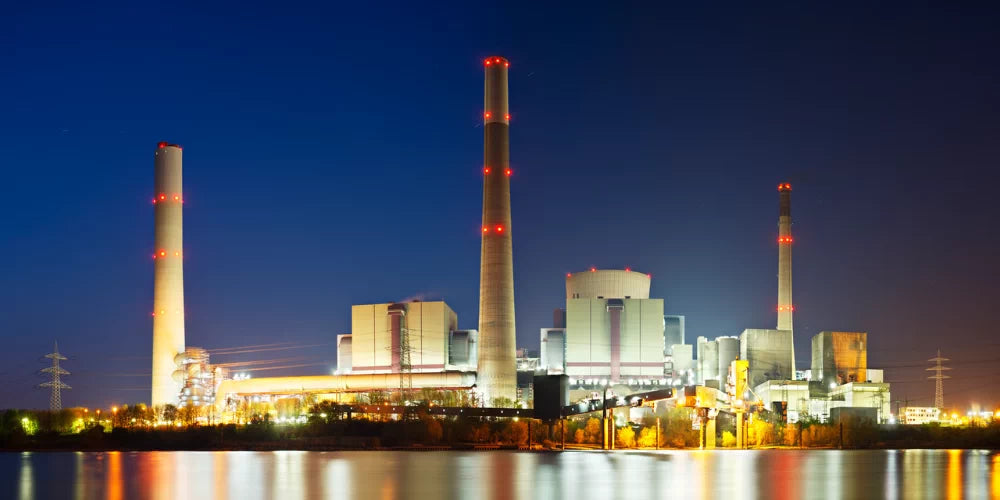
In high-stakes industrial environments, specialized lighting is essential for both safety and operational efficiency. Whether you are searching for explosion proof lighting for a refinery or hazardous location LED lights for a chemical processing area, the stakes are binary: either the fixture is rated to prevent ignition, or it is a liability.
The Three Classes: Identifying the Type of Hazard
The first step in classification is identifying the physical nature of the hazardous material present in the atmosphere.
- Class I (Gases & Vapors): Locations where flammable gases, flammable liquid-produced vapors, or combustible liquid-produced vapors are present in quantities sufficient to produce explosive or ignitable mixtures. Common examples include Acetylene, Hydrogen, and Propane.
- Class II (Combustible Dusts): Locations hazardous because of the presence of combustible dust. This includes metal dusts (Aluminum, Magnesium), carbonaceous dusts (Coal, Coke), and organic dusts like Flour, Grain, or Wood.
- Class III (Fibers & Flyings): Areas containing easily ignitable fibers or flyings, such as cotton lint, that are not likely to be in suspension in quantities sufficient to produce ignitable mixtures.

Division 1 vs. Division 2: Frequency of the Hazard
Once the material is identified, you must determine how often it is present. This is the core of the North American classification scheme.
- Division 1 (Normal Conditions): Ignitable concentrations of hazards exist under normal operating conditions. This requires high-performance Class 1 Division 1 explosion proof LED lighting engineered to contain internal explosions.
- Division 2 (Abnormal Conditions): Ignitable concentrations of hazards exist only under accidental system breakdowns or abnormal operating conditions. These areas allow for fixtures like Class 1 Division 2 LEDs, which focus on preventing ignition during malfunction.
The Alphabet of Safety: Understanding Atmosphere Groups
Gases and dusts are further categorized into "Groups" based on their ignition temperatures and explosive pressures.
Class I (Gas) Groups:
- Group A: Acetylene.
- Group B: Hydrogen, Butadiene, and Ethylene oxide.
- Group C: Ethylene, Cyclopropane, and Ethyl ether.
- Group D: Propane, Methane, Gasoline, and Natural Gas.
Class II (Dust) Groups:
- Group E: Combustible metal dusts like Aluminum and Magnesium.
- Group F: Carbonaceous dusts like Coal and Coke dusts.
- Group G: Other combustible dusts, including Flour, Grain, Plastic, and Wood.
The Modern Shift: The International Zone System
As global projects become more common, many facilities are adopting the Zone Scheme, which offers a more granular approach to hazard frequency.
| Hazard Level | Division Scheme | Zone Scheme (Gas/Dust) | Type of Explosive Atmosphere |
| Continuous | Division 1 | Zone 0 / Zone 20 | Hazard is continually present. |
| Intermittent | Division 1 | Zone 1 / Zone 21 | Hazard is likely to occur during normal operations. |
| Abnormal | Division 2 | Zone 2 / Zone 22 | Not likely to occur, but may for short periods. |
Selecting Your Specialized Solution
2026 projects demand application-specific hardware. "Explosion-proof" isn't a single light—it's a suite of specialized tools designed for different mounting heights and environmental stressors.
- Hazardous Location High Bays: These are the workhorses for high-ceiling facilities like aircraft hangars or chemical plants. They provide high-lumen output and are engineered for extreme durability, featuring vibration ratings (up to 3G) and wide operating temperatures from -40°F to 149°F.
- Explosion-Proof Floodlights: Essential for large-scale outdoor task lighting and perimeter security in refineries or offshore platforms. These fixtures offer robust mounting like slipfitters or yoke mounts for targeted illumination.
- Emergency & Exit Lighting: Critical for safe egress, these fixtures must remain operational during power failures. Specialized models are available, featuring battery backup systems rated for industrial use.
- Vaporproof & Washdown Fixtures: For areas prone to moisture, corrosive vapors, or fine dust, these "jelly jar" and linear washdown fixtures offer IP66-rated protection. They are ideal for tight spaces like stairwells or machinery task areas.
- Hazardous Panels: Best for labs or control rooms requiring uniform, glare-free light. These recessed or surface-mounted panels maintain compliance in hazardous settings.
Real-World Applications: Where These Fixtures are Required
Knowing where these risks typically occur is vital for facility safety. Here is where you will commonly find hazardous area LED lighting in action:
Class I Locations (Gases, Vapors, & Liquids)
- Petroleum Refineries & Gas Plants: Areas involving the processing of crude oil or natural gas where flammable vapors are a constant presence.

- Dry Cleaning Facilities: Specifically those using flammable cleaning fluids that can create ignitable vapor concentrations.
- Aircraft Hangars & Fueling Areas: Locations where high-octane fuels are stored, transferred, or serviced.

- Utility Gas Plants: Facilities dealing with the storage and handling of Liquefied Petroleum Gas (LPG) or Natural Gas.
Class II Locations (Combustible Dusts)
- Grain Elevators & Flour Mills: Environments where finely ground organic dust can become suspended in the air and ignite.
- Coal Processing Plants: Areas where coal dust is generated during crushing or transport.
- Chemical & Plastic Manufacturing: Facilities that produce or use combustible plastic or chemical powders.
- Metal Working Shops: Specifically those working with Aluminum or Magnesium, which produce highly explosive metal dusts.

Class III Locations (Fibers & Flyings)
- Textile Mills: Cotton gins and spinning mills where flying fibers are a significant fire risk.
- Woodworking Facilities: Sawmills and furniture plants where sawdust and wood shavings are prevalent.

Navigating the 2026 HazLoc Landscape
As industrial projects in 2026 become more specialized—from massive EV battery plants to high-tech chemical labs—the demand for precision in hazardous location lighting has never been higher. Understanding the intersection of Classes, Divisions, Groups, and Zones is the only way to guarantee a safe, compliant, and efficient facility.
Selecting the right fixture is a balance of rigorous safety ratings and high-performance engineering. By matching the specific atmosphere groups of your site with the appropriate specialized solution—whether it’s a high-vibration rated high bay or a gasketed vaporproof fixture—you protect both your personnel and your bottom line.
Explore our full Hazardous Location Lighting collection to find the exact ratings your project requires. For professional project simulations or volume quotes on industrial-grade fixtures, contact the Bees Lighting experts at 855-303-0665.


