

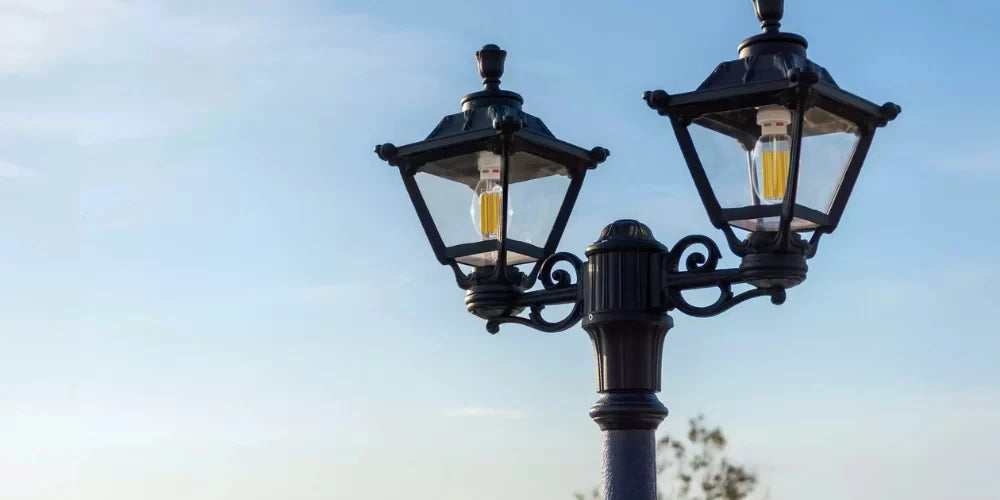
If you are still using Metal Halide (MH) or High-Pressure Sodium (HPS) lamps, you are likely dealing with high electricity bills, frequent bulb failures, and that frustrating 10-minute "warm-up" period every morning.
Upgrading to LED is no longer just about energy savings—it’s about better light quality and zero maintenance. However, since LED technology produces significantly more light (lumens) per watt, choosing a replacement isn't as simple as matching the old wattage.
Why Bulb Shape Matters for Your Conversion
When retrofitting, the most common mistake is focusing only on lumens. In reality, how the light is distributed (the beam angle) determines how many watts you actually need to maintain your existing light levels.
- Omnidirectional (360°): These shine light in all directions and rely on your old fixture's reflectors to bounce light back down. They are less efficient but necessary for certain fixtures.
- Directional (120°–180°): These push light directly toward the floor. They are significantly more efficient because no light is "wasted" bouncing around inside the housing.
Master Conversion Charts by Bulb Type
A. Omnidirectional Corn Bulbs (360° Light)
Best for: Post Tops, Bollards, and Wall Packs where the light needs to fill the entire fixture housing.

| Traditional HID | LED Corn Bulb | Energy Savings | Notes |
| 70W MH | 20W – 27W | 70% | Standard for bollards/walkways. |
| 100W MH | 27W – 36W | 73% | Ideal for standard wall packs. |
| 175W MH | 45W – 54W | 74% | Common for large decorative post tops. |
| 250W MH | 80W – 100W | 68% | High-output area lighting. |
| 400W MH | 120W – 150W | 70% | Requires large fixture housing for heat. |
B. Directional Retrofits (Horizontal Mounting)
Best for: Wall Packs and Shoebox fixtures. These are mounted sideways (horizontally) and often feature panels that "open" or rotate to push all light forward and down, away from the back of the fixture.

| Traditional HID | LED Directional | Energy Savings | Notes |
| 100W MH | 25W – 30W | 75% | Ideal for standard building wall packs. |
| 175W MH | 40W – 50W | 76% | Standard for area shoebox lighting. |
| 250W MH | 60W – 80W | 76% | High-output for parking lot retrofits. |
| 400W MH | 100W – 120W | 75% | Replaces heavy-duty flood lighting. |
C. High Bay Retrofits (Vertical Mounting)
Best for: Indoor High Bays and "Bell" fixtures. These are mounted vertically (pointing downward). While many provide a circular beam, specialized versions feature adjustable panels that can be angled outward to provide sideways illumination in larger open areas.

| Traditional HID | LED High Bay | Energy Savings | Notes |
| 175W MH | 40W – 60W | 71% – 76% | Replaces 175W in mid-height ceilings. |
| 250W MH | 80W – 100W | 66% – 73% | "Sweet spot" for shop floors. |
| 400W MH | 100W – 150W | 69% – 75% | Standard warehouse/factory replacement. |
| 1000WMH | 300W – 450W | 63% – 70% | Extreme output for stadiums & hangars. |
D. Filament Retrofit Lamps (300°+ Light)
Best for: Fixtures where preserving the original light distribution is critical. These match the physical size and light center of MH bulbs to work perfectly with existing reflectors.

| Traditional HID | LED Filament | Energy Savings | Bulb Shape |
| 50W MH | 18W | 64% | A21 (Standard) |
| 100W MH | 26W | 74% | ED28 (Large) |
| 175W MH | 54W | 69% | ED37 (Mogul) |
| 250W MH | 63W | 75% | ED37 (Mogul) |
Technical Checklist for a Successful Retrofit
- Ballast Bypass (Type B): Most of these lamps run on direct voltage (120-277V). You must bypass the old ballast to eliminate a common failure point and maximize energy savings.
-
Base Size (E26 vs. EX39):
- E26 (Medium): Standard screw base for lamps under 50W.
- EX39 (Mogul): Large industrial screw base for high-wattage fixtures.
- CCT & Wattage Selectability: Look for "Performance Class" lamps with physical switches. This lets you choose between 3000K, 4000K, or 5000K and adjust brightness on the fly.
- Safety Rating: If the bulb is going into a sealed wall pack or post top, ensure it is rated for enclosed fixtures to prevent overheating.
Stop Paying for "Warm-Up" Time
Retrofitting your existing HID fixtures with LED lamps is one of the fastest ways to achieve a positive ROI. You get instant-on performance, better color accuracy (CRI >80), and you'll likely never climb a ladder to change these bulbs again. Explore our full collection of LED HID Replacement Lamps or contact our experts at 855-303-0665 for a bulk quote and technical support.


