

Lighting by Room
Transform your home with curated Lighting by Room. Every space has unique needs—from moisture-rated bathroom vanities to statement dining chandeliers. Explore our room-specific guides to find the perfect blend of functional task lighting and decorative ambiance for every corner of your home.
Designing Your Professional Home Lighting Plan
Every room in your home serves a unique purpose, but the principles of effective interior lighting are universal. By understanding a few key concepts, you can confidently select fixtures that make any space more beautiful, functional, and inviting. Whether you are looking for lighting by room to complete a remodel or just seeking fresh lighting ideas, the goal is to create a flexible plan that reflects your personal style while meeting your daily needs.
Start with the Three Layers of Room Lighting
The secret to a well-lit home is layering. Instead of relying on a single overhead light, combining three different types of home lighting creates a balanced and adaptable atmosphere.
- Ambient Light: This is your foundation. It provides the general, overall illumination for interior lighting, usually provided by flush mounts, chandeliers, or recessed lighting.
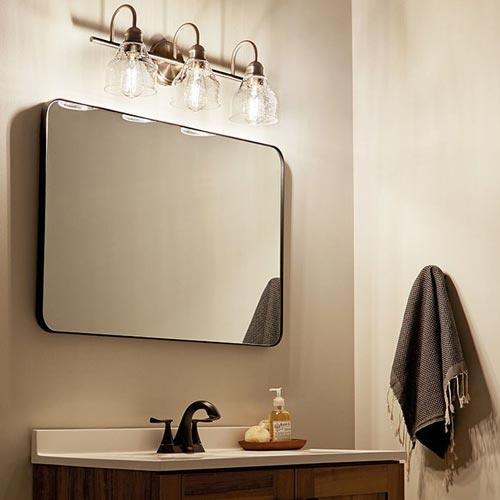
- Task Light: This is focused light for specific activities. Think of under cabinet lighting in the kitchen, a reading lamp in the bedroom, or vanity lights in the bathroom.
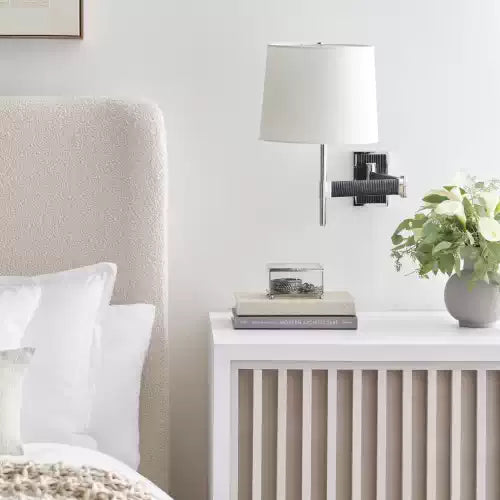
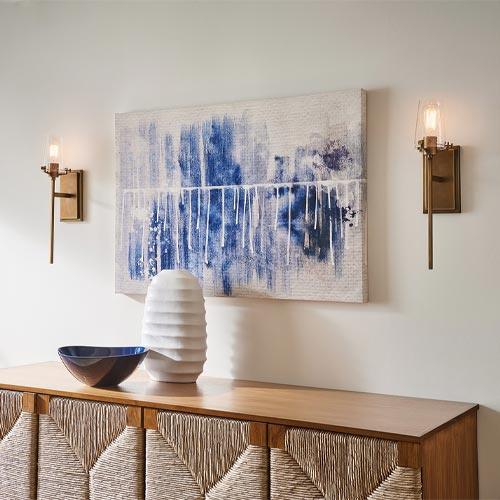
- Accent Light: This decorative layer adds visual interest. Wall sconces and picture lights are perfect for highlighting artwork or architectural features to create mood and drama.
Match Your Home Lighting to the Function
Once you understand the layers, you can choose home lighting based on the specific job it needs to do in each space:
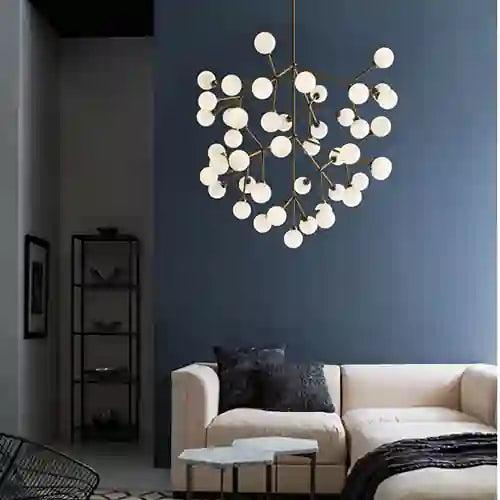
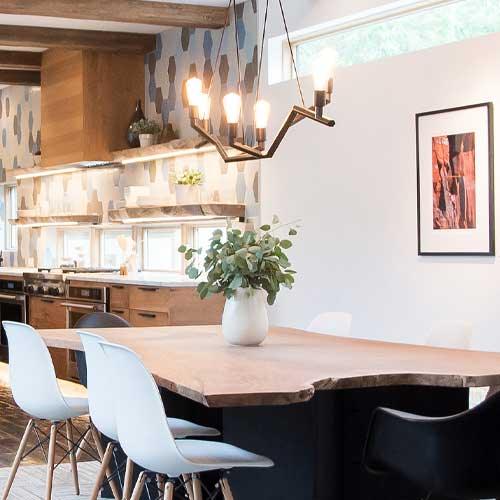
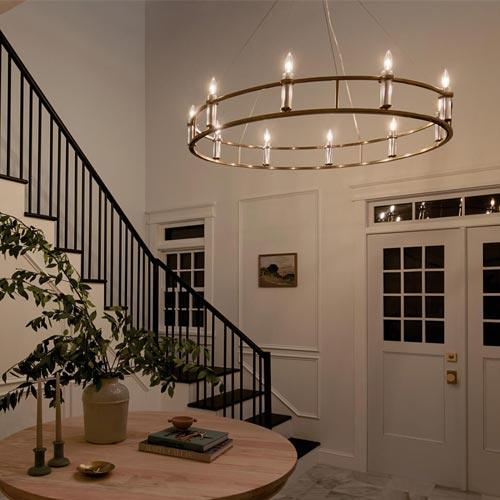
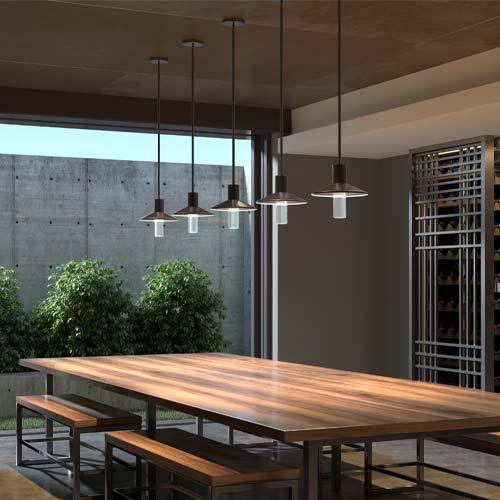
- The Statement Piece: In the dining room or foyer, the main fixture is often a dramatic centerpiece. Look for stunning chandeliers to create a memorable focal point.
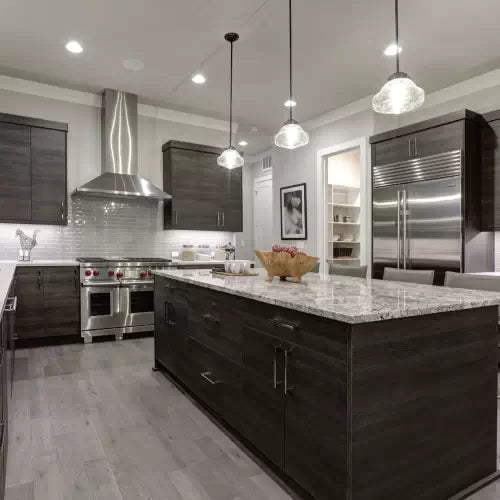
- The Hard Workers: For general room lighting in busy spaces like kitchens or hallways, practical fixtures like recessed lights provide broad, even illumination.
- The Flexible Helpers: In multi-use spaces like the living room, floor lamps and table lamps offer easily adjustable task lighting.
- The Specialists: Some areas have unique requirements. Patios and bathrooms demand fixtures with specific safety ratings to withstand moisture.
Complete Your Interior Lighting Project
At Bees Lighting, we understand that the right home lighting can transform your space. We are committed to offering a wide selection of high-quality fixtures to help you apply these lighting ideas and complete every room in your home. For ultimate versatility, remember that dimmers are your best friend—they allow you to adjust the brightness to suit any activity or mood.
Explore our curated collections by room to find the perfect lighting solution today. For personalized advice and expert recommendations, please call our team at 855-303-0665.
Frequently Asked Questions
How many lumens do I need per room?
How many lumens do I need per room?
Light levels vary by function; kitchens and bathrooms need more (70–80 lumens/sq ft) than bedrooms (10–20 lumens/sq ft). For a deeper dive, see our Footcandle Lighting Guide.
What are the most common lighting ideas for modern homes?
What are the most common lighting ideas for modern homes?
Current trends focus on layered LED lighting, smart home integration, and using oversized pendants or chandeliers as architectural "jewelry" for a room.
How do I choose the right color temperature for home lighting?
How do I choose the right color temperature for home lighting?
Use warm tones (2700K–3000K) for relaxation areas like bedrooms and cool tones (3500K–4000K) for task-heavy areas like kitchens or laundry rooms.
How do I plan a recessed lighting layout for a large room?
How do I plan a recessed lighting layout for a large room?
Spacing is typically determined by ceiling height. For professional layout tips, visit our guide on How to Design the Best Recessed Lighting Layout.
Is it okay to mix different metal finishes in room lighting?
Is it okay to mix different metal finishes in room lighting?
Yes! Mixing finishes like matte black and brushed gold is a popular way to add character and prevent a space from looking too "matchy-matchy."
What is the best way to light a room with no overhead light?
What is the best way to light a room with no overhead light?
Utilize a mix of floor lamps for upward ambient light, table lamps for task light, and wall-mounted plug-in sconces for accent lighting.
How high should I hang my light fixtures?
How high should I hang my light fixtures?
While it varies, a general rule is that the bottom of a fixture should be at least 7 feet from the floor for clearance in walkways.
Are all room lighting fixtures dimmable?
Are all room lighting fixtures dimmable?
Most modern fixtures are dimmable, but you must ensure both the bulb and the wall switch are compatible (especially with LEDs).
How can interior lighting help a small room look bigger?
How can interior lighting help a small room look bigger?
Avoid dark corners by using wall-washers or recessed lights near the edges of the room to push the walls out visually.
What is CRI and why does it matter for home lighting?
What is CRI and why does it matter for home lighting?
Color Rendering Index (CRI) measures how accurately a light shows true colors. For rooms where color is important (like kitchens or closets), look for a CRI of 90+.
Learn More About Room Lighting

Light Layering 101: A Practical Guide
Discover how different layers of light can work together to enhance your home and set the perfect mood for any time of day.

The Ultimate Guide to Footcandles: How to Light Your Space Correctly
When planning the lighting for a commercial, industrial, or even residential space, how do you know if it's "bright enough"?

The Ultimate Recessed Lighting Layout Guide: A Room-by-Room Plan
A great recessed lighting layout is invisible. It makes a room feel comfortable, bright, and spacious without you ever noticing the fixtures.