











Monorail Lighting Systems: Flexible, Curved, and Low-Voltage
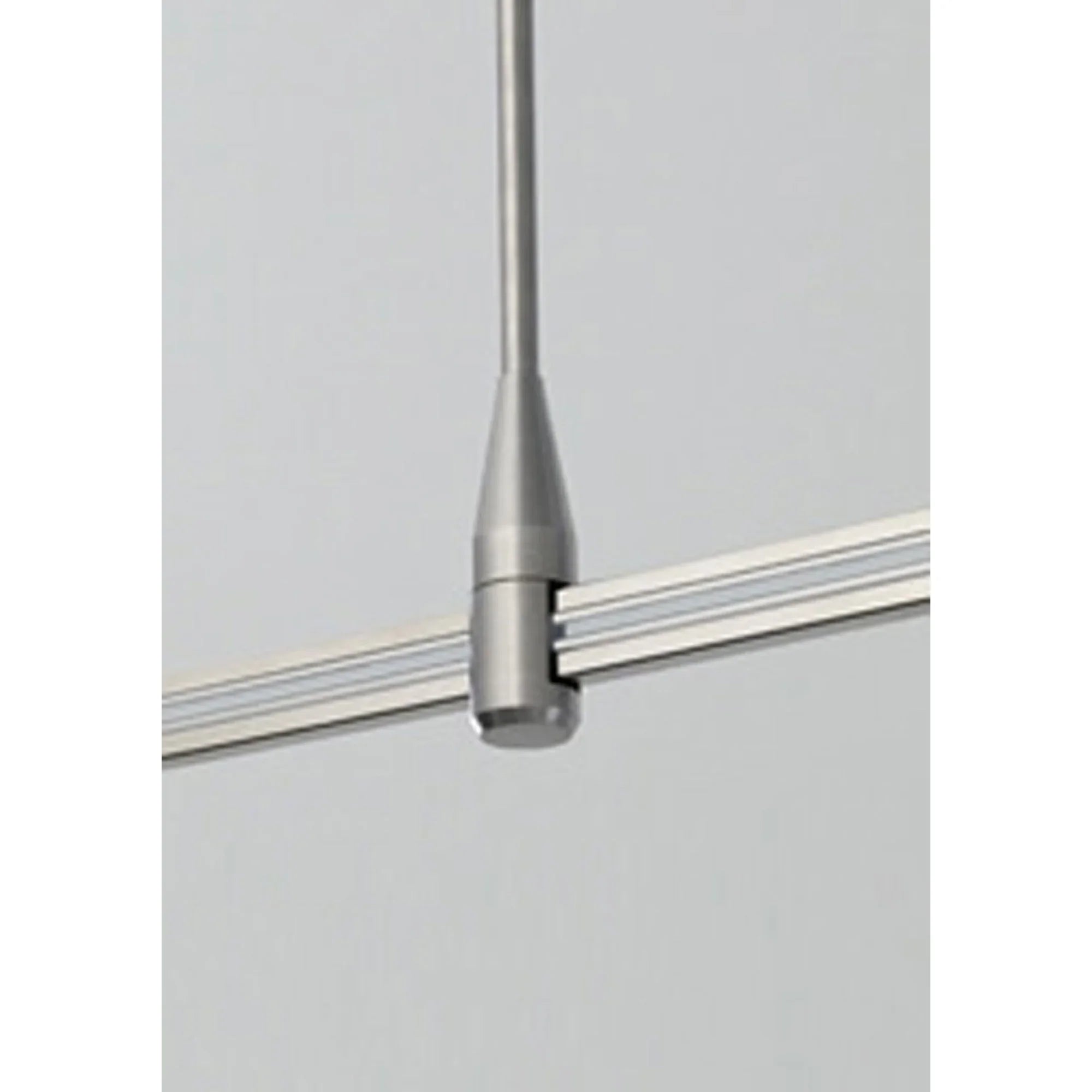
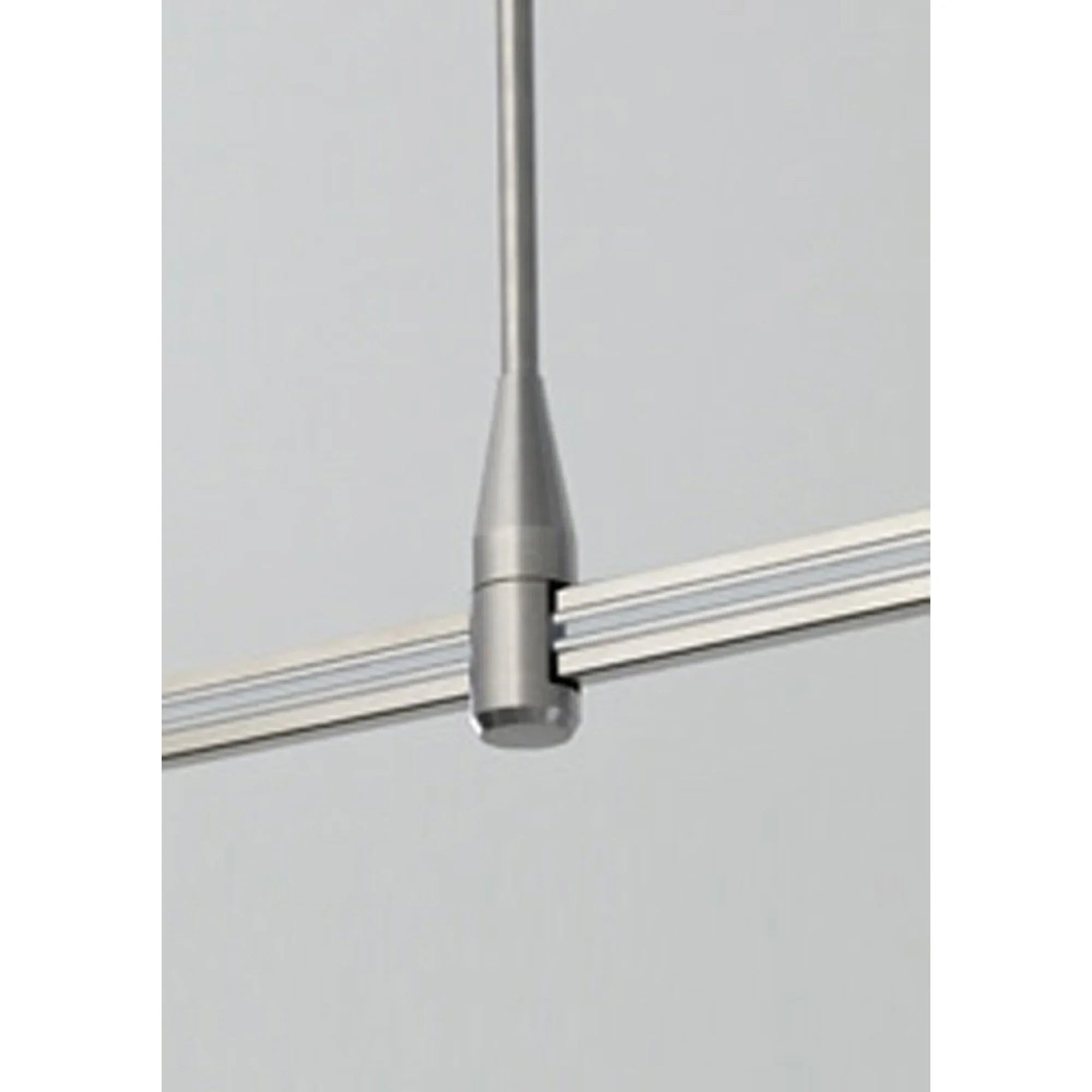
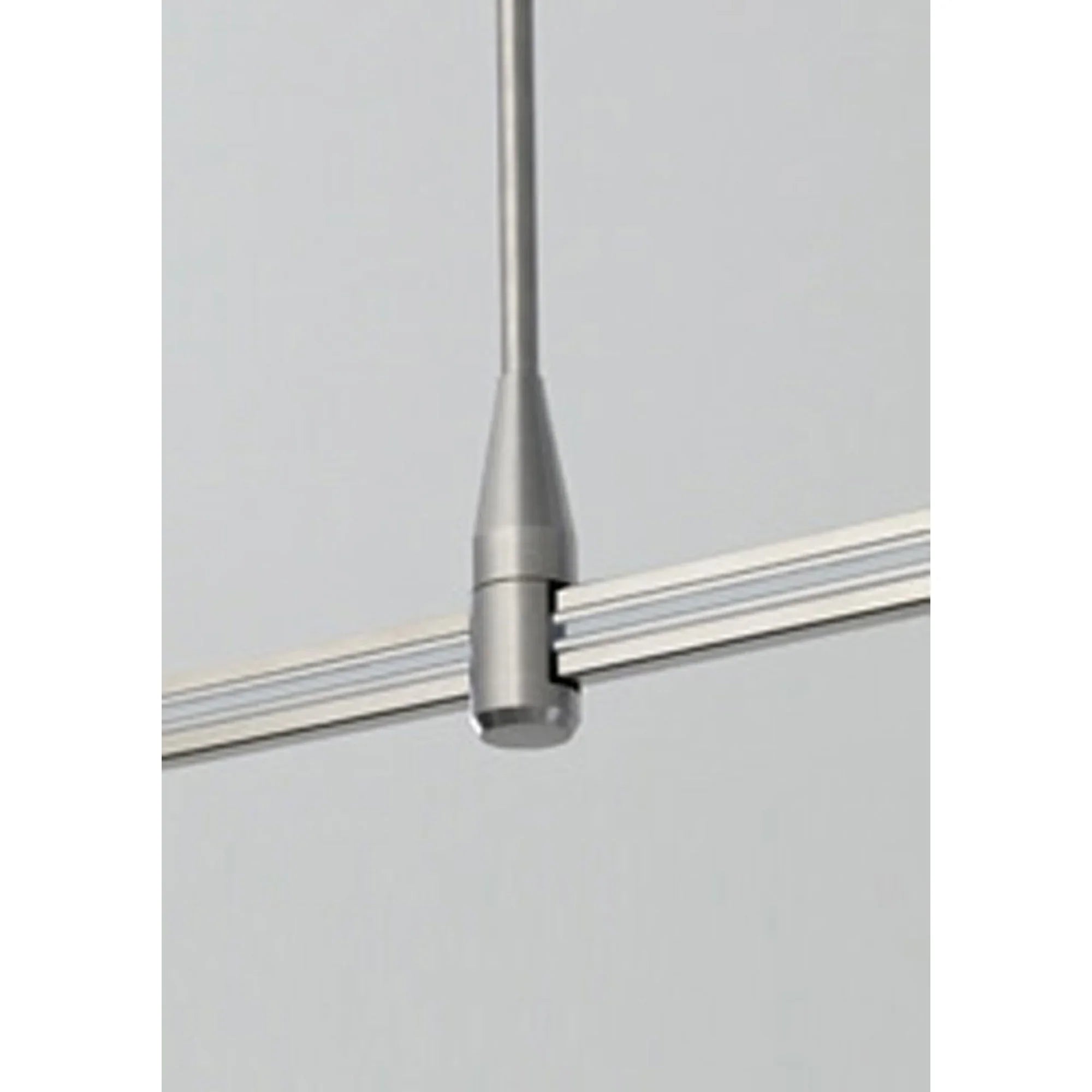
Monorail lighting is a modular lighting approach that combines a slender rail with compatible heads, pendants, supports, and power components. Systems designed for bendable rail can follow sweeping curves and custom configurations, making flexible track lighting an architectural feature as well as a source of task, accent, and ambient illumination.
The Power of Flexibility: Curved Track Lighting
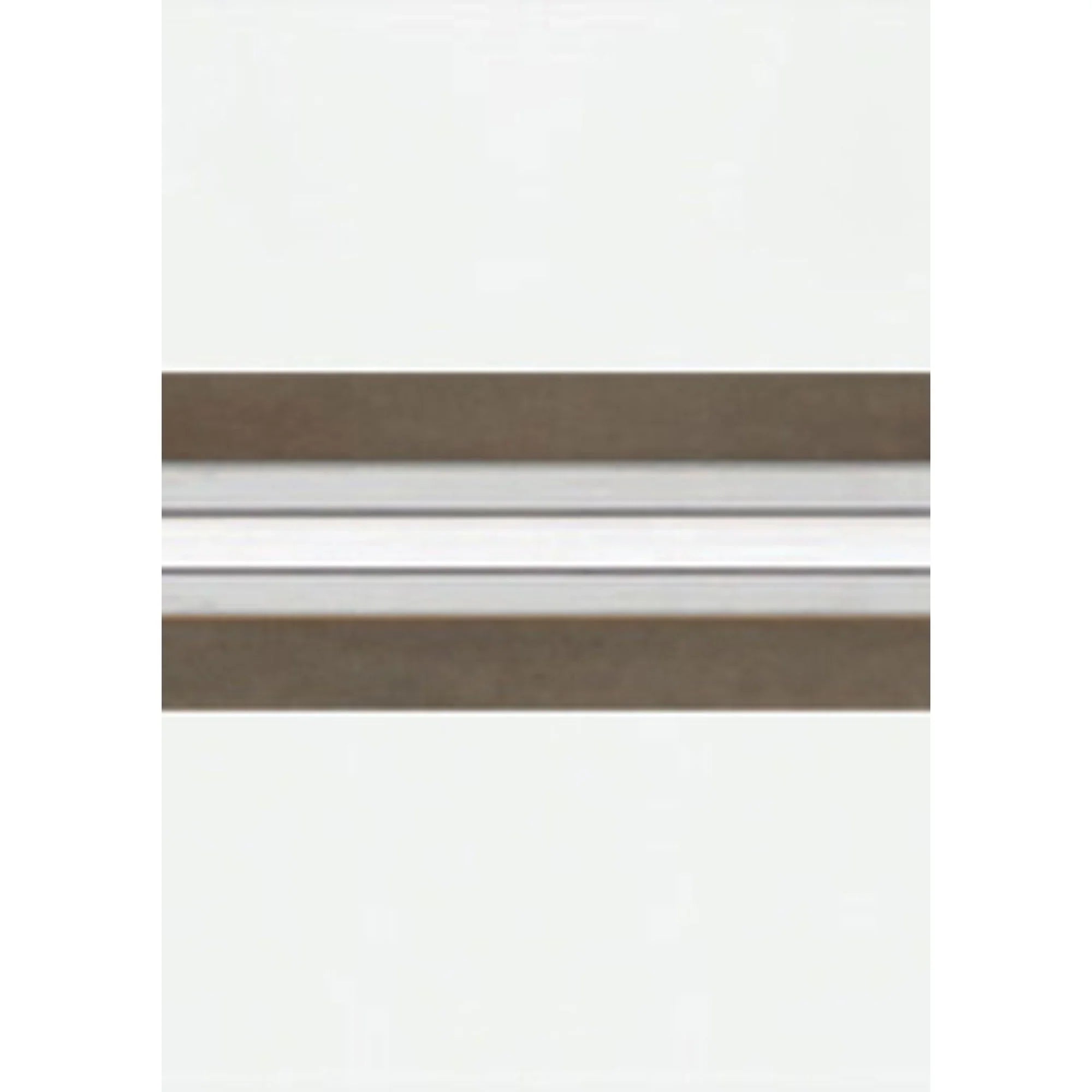
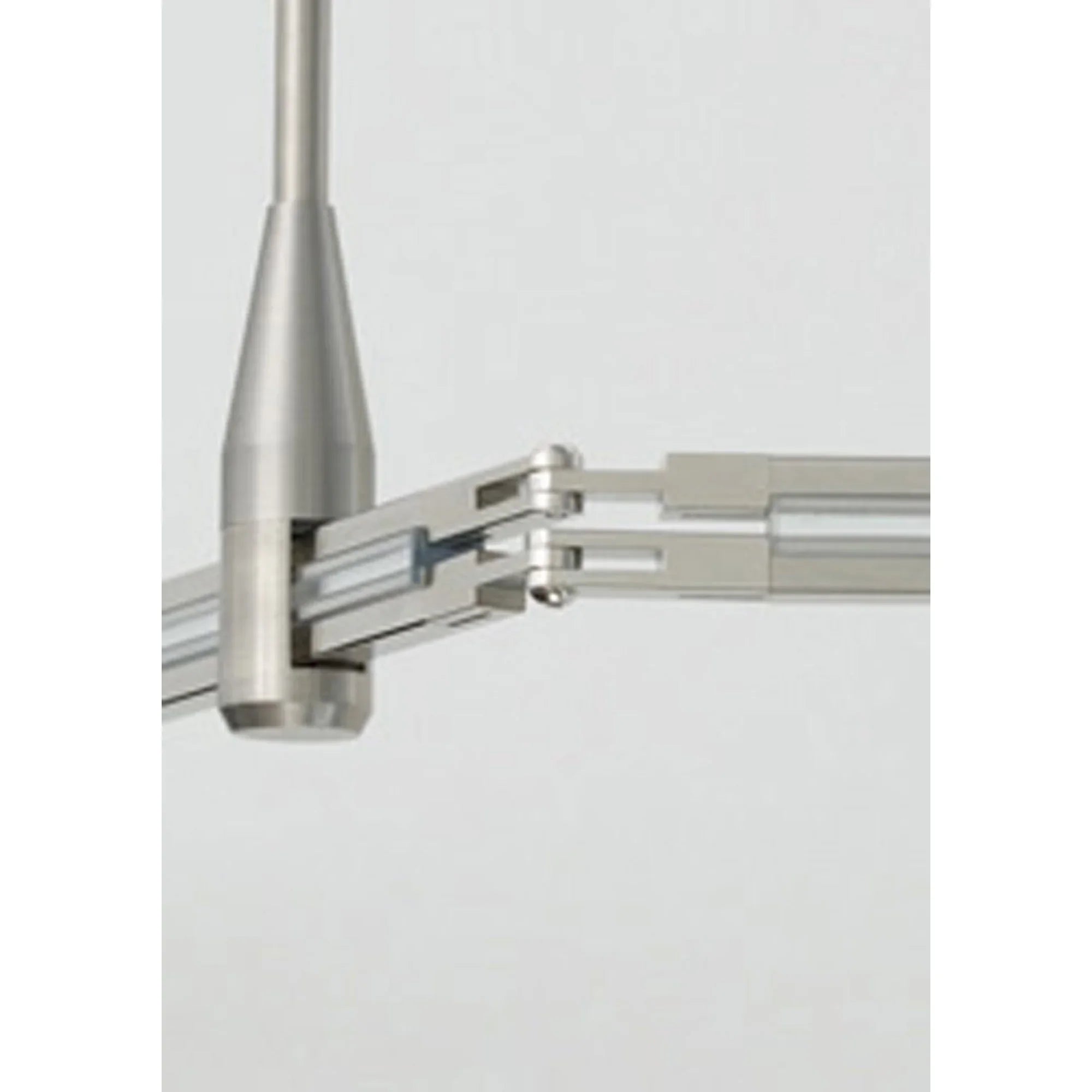
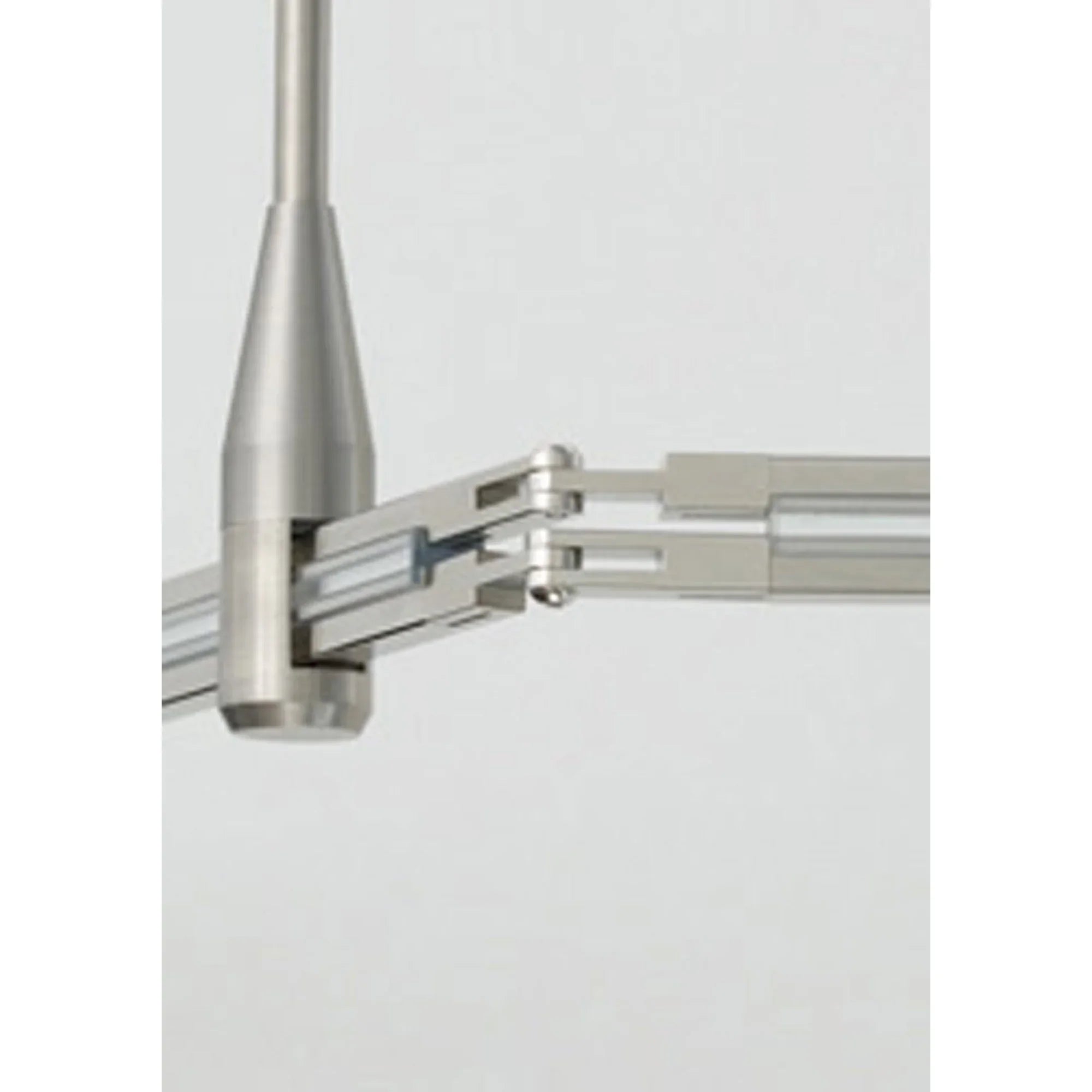
The defining feature of bendable monorail is its adaptable rail. A compatible monorail lighting system can be shaped into curves within the manufacturer's permitted bending radius and installation limits. This capacity for curved track lighting suits irregular room layouts and arrangements that follow counters, displays, or architectural features.
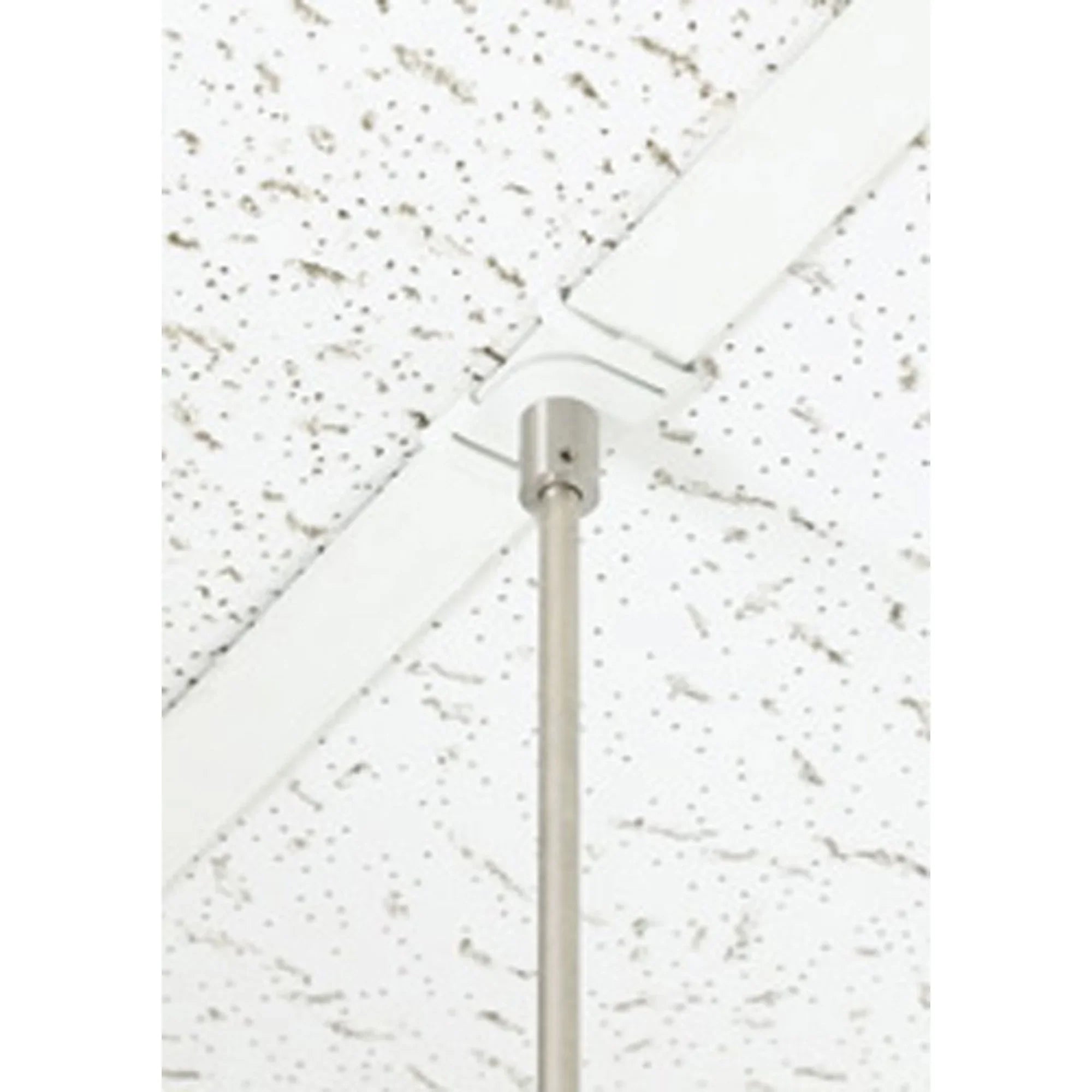
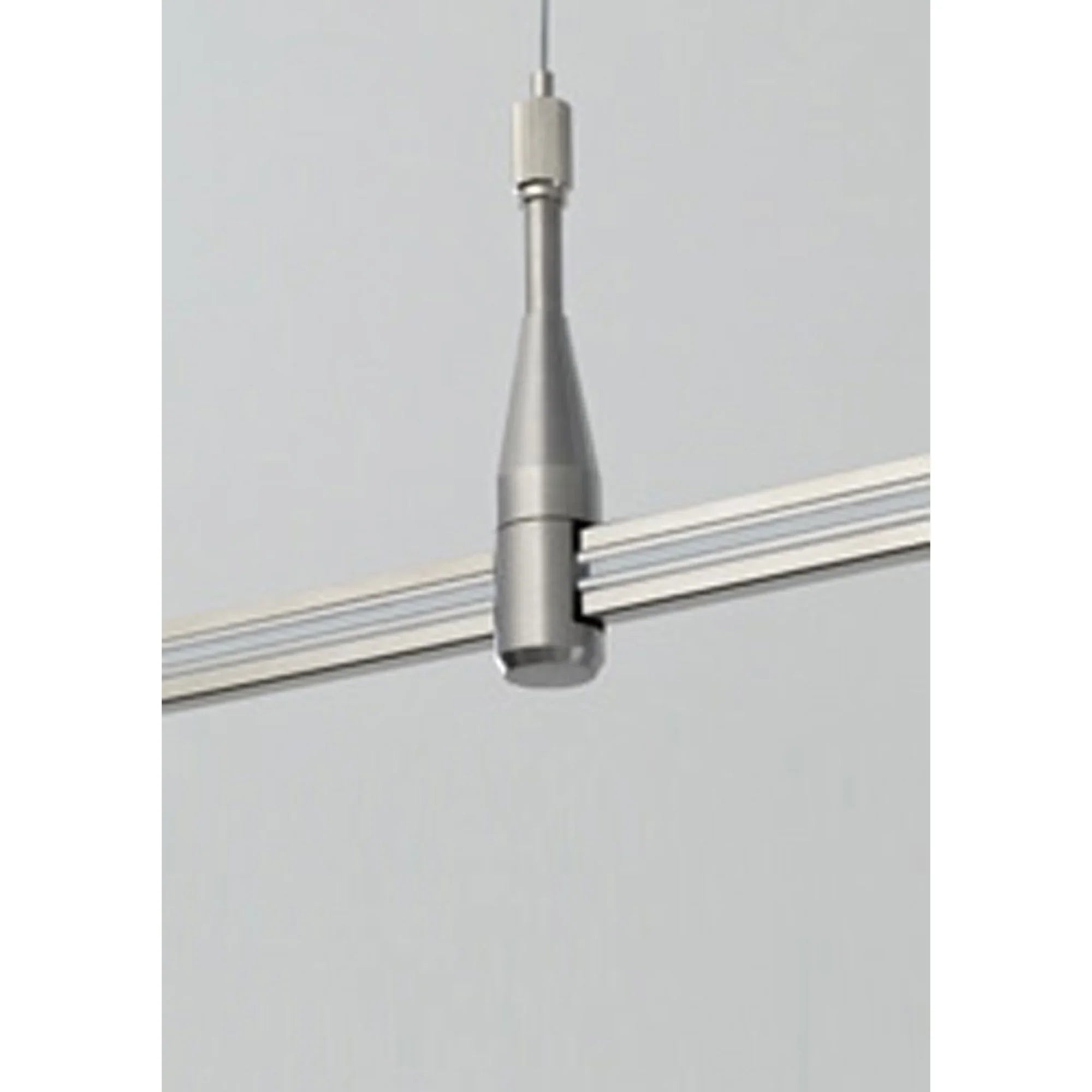
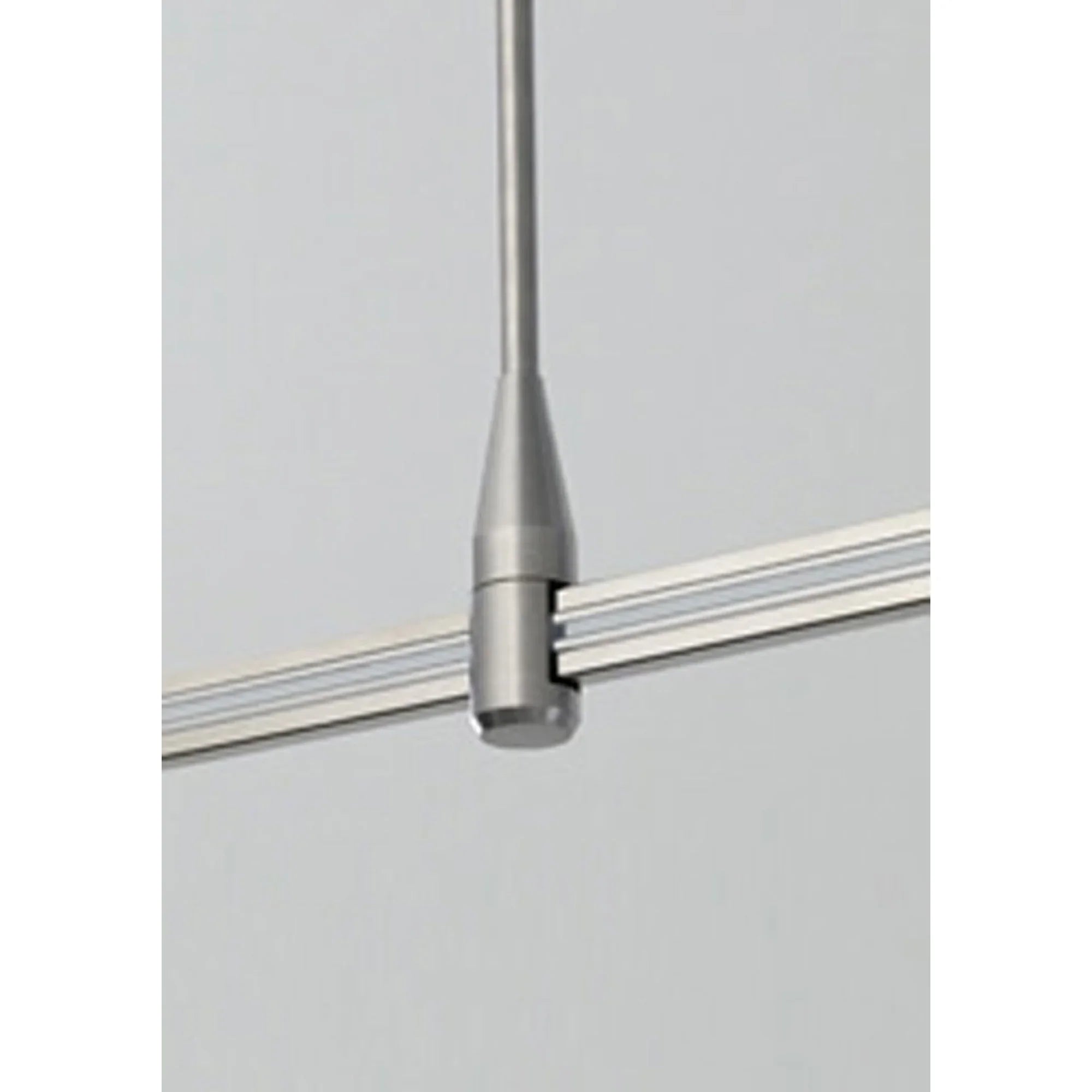
Rail construction and bending methods vary by system. Follow the specified shaping procedure rather than assuming every rail can be freely hand-bent, and position supports to maintain the intended layout without sharp bends or twisting.
Low-Voltage Design and Power Components
Low-voltage monorail lighting systems use a compatible transformer or power supply to provide the voltage required by their fixtures. Match the power component to the system, connected load, and any dimming requirements; reduced operating voltage alone does not establish energy efficiency or make energized components safe to handle.
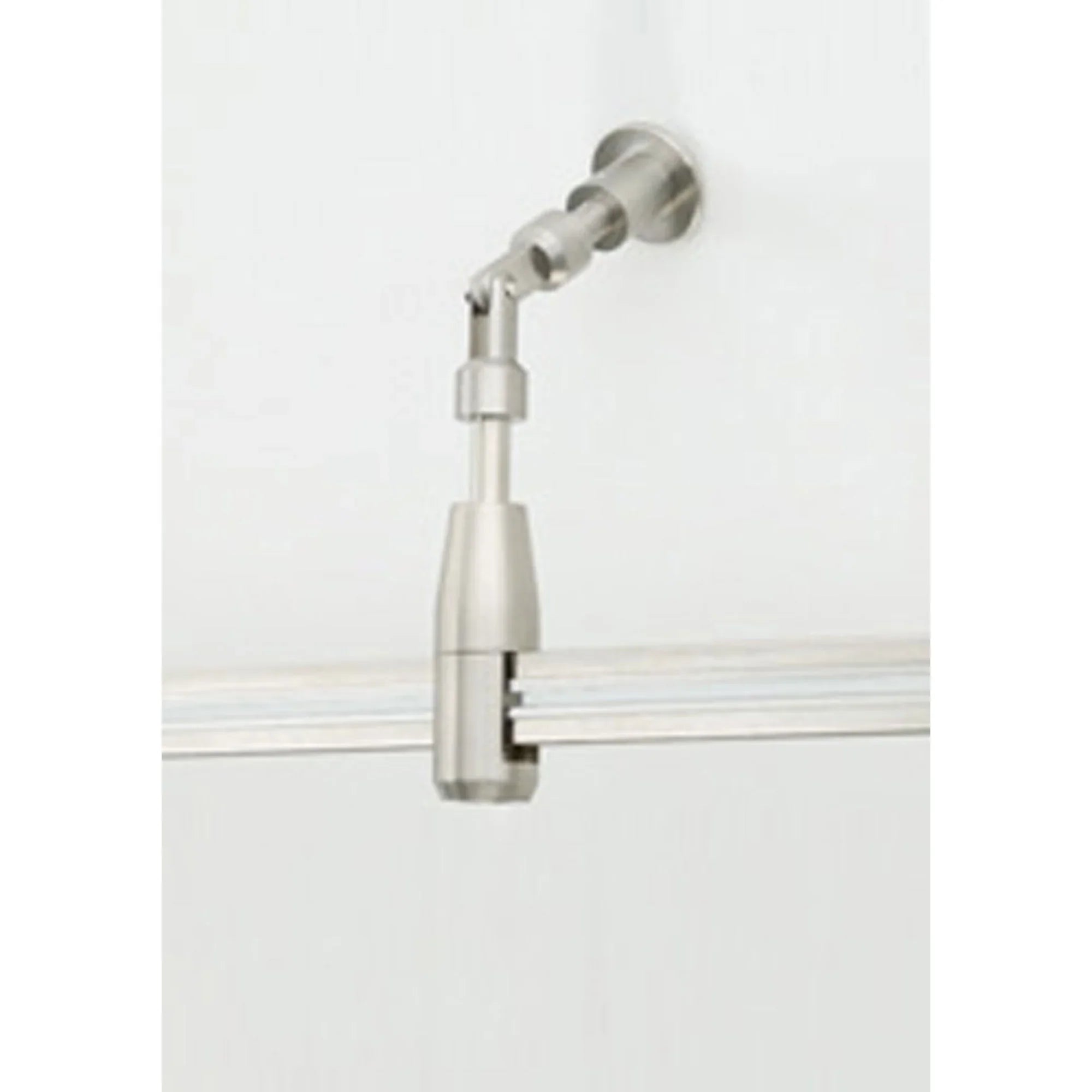
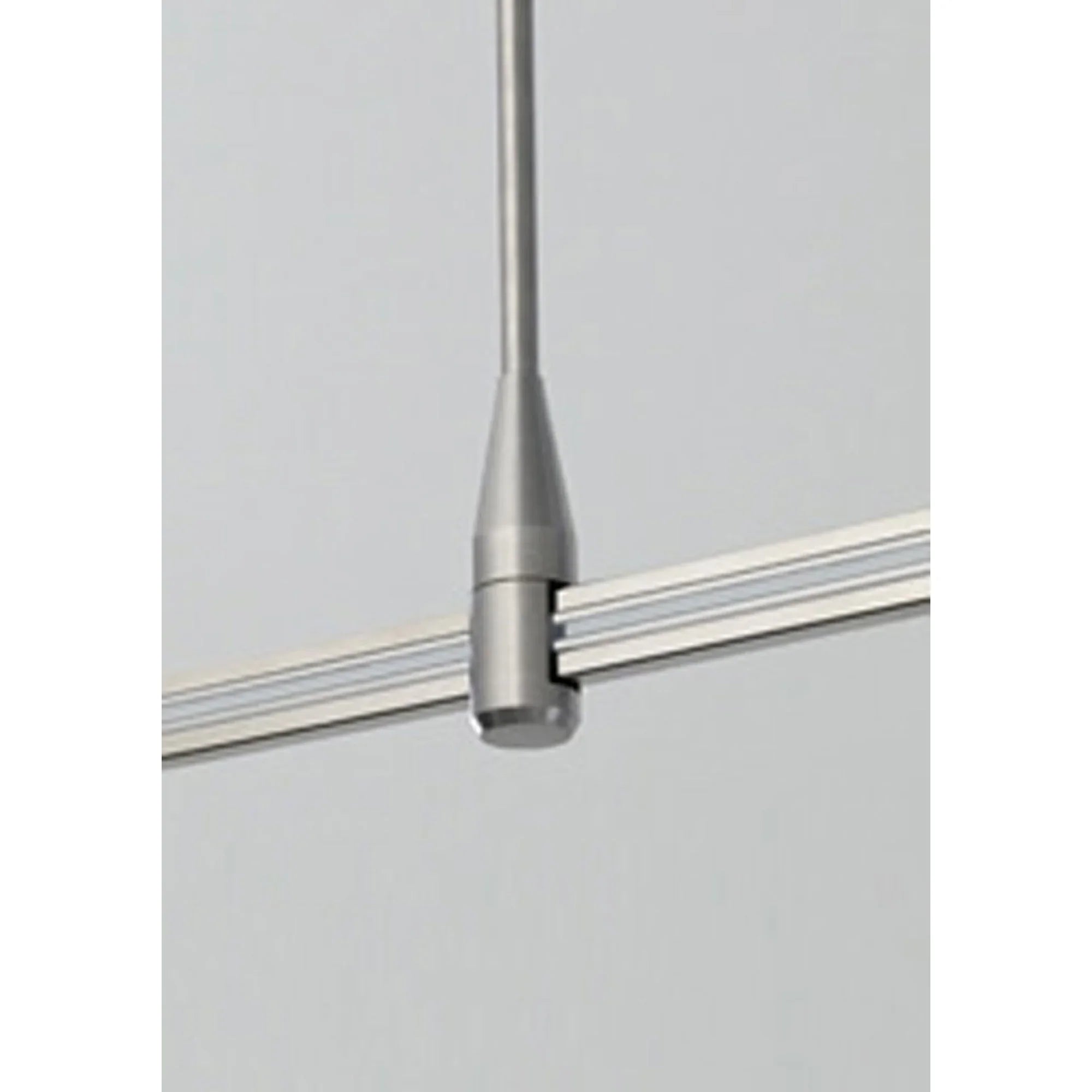
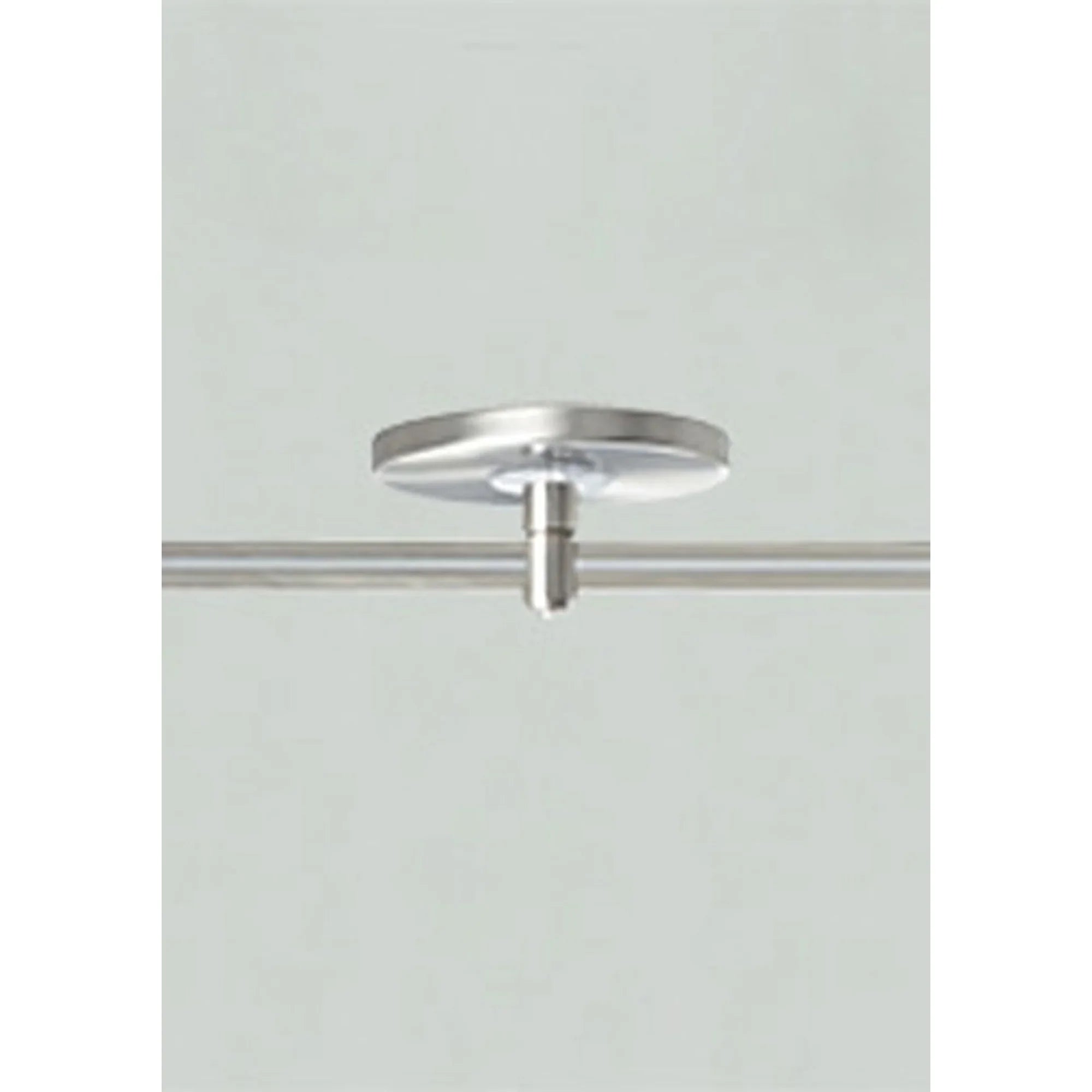
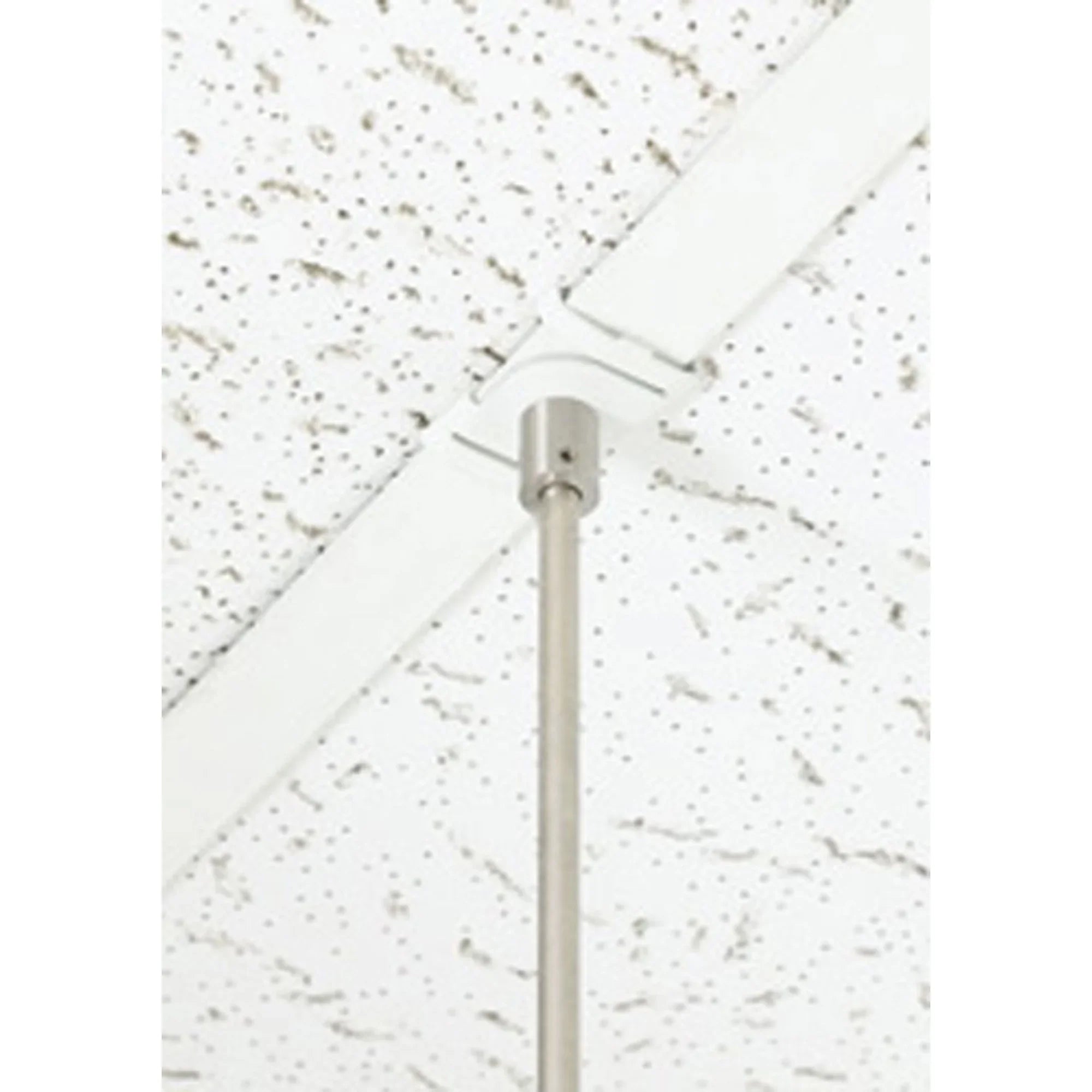
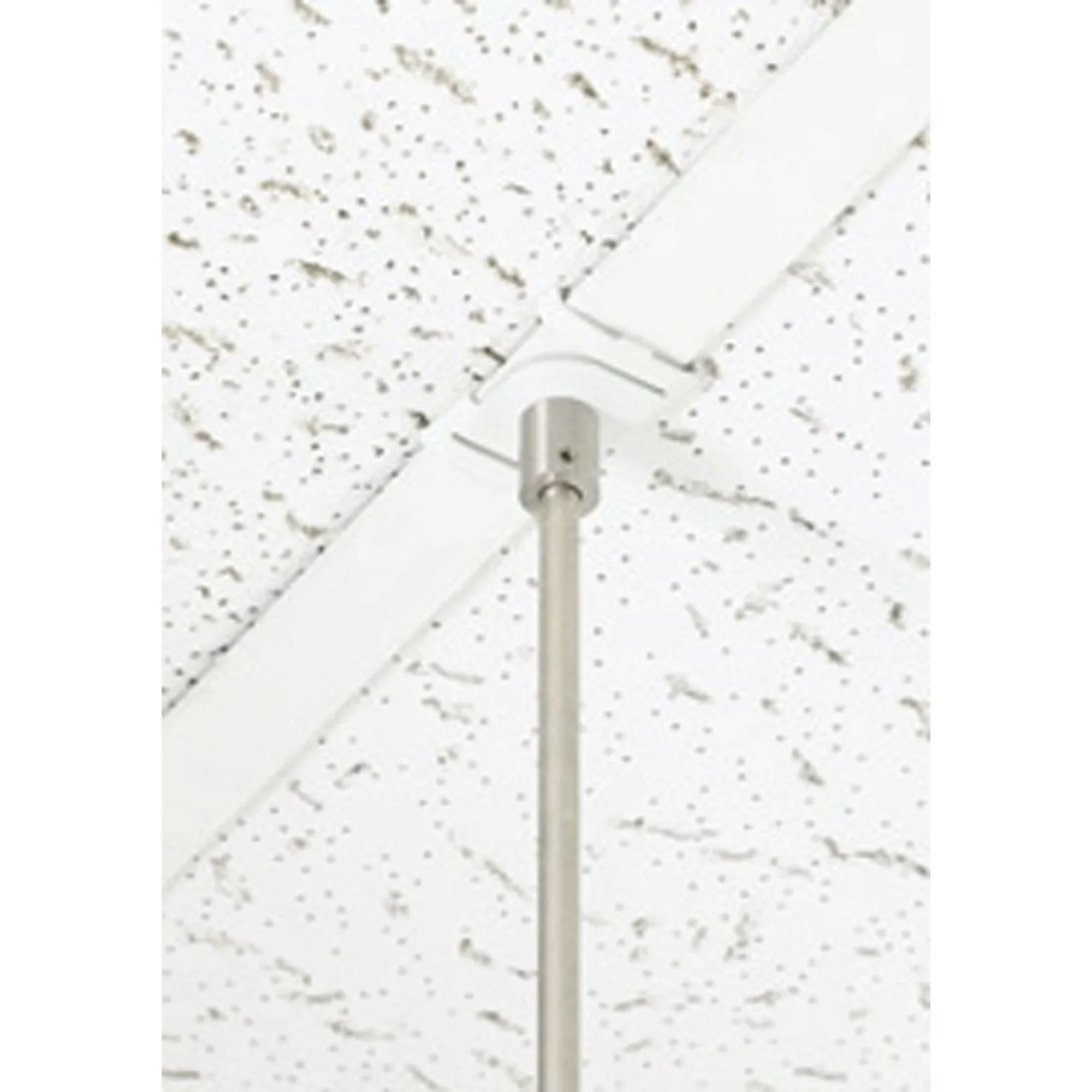
Depending on the system, power components may be incorporated into a canopy or installed remotely in an approved, accessible location. Slender rails and compact compatible heads can create a discreet installation, while decorative pendants make the lighting arrangement a more visible design feature.
Monorail Lighting Fixtures and Applications
The modular nature of monorail lighting supports different fixture arrangements within the chosen system:
- Pendants: Compatible suspended fixtures provide task or ambient illumination over kitchen islands, dining tables, and reception areas. Pendant weight, adapters, and support spacing must meet the rail system's requirements.
- Spotlights/Heads: Adjustable compatible heads direct light toward artwork, merchandise, or display cabinets. Beam distribution and aiming determine the size and intensity of the illuminated area.
- Applications: Curved layouts can suit residential living spaces, retail displays, and galleries. Sloped or vaulted ceilings require the appropriate approved adapters and suspension components.
For broader application planning, compare kitchen track lighting options, while confirming that individual fixtures and adapters belong to the selected monorail system.
Monorail vs. Traditional Track Lighting
Monorail track lighting differs from standard track lighting systems in its rail construction, component connections, and power arrangements.
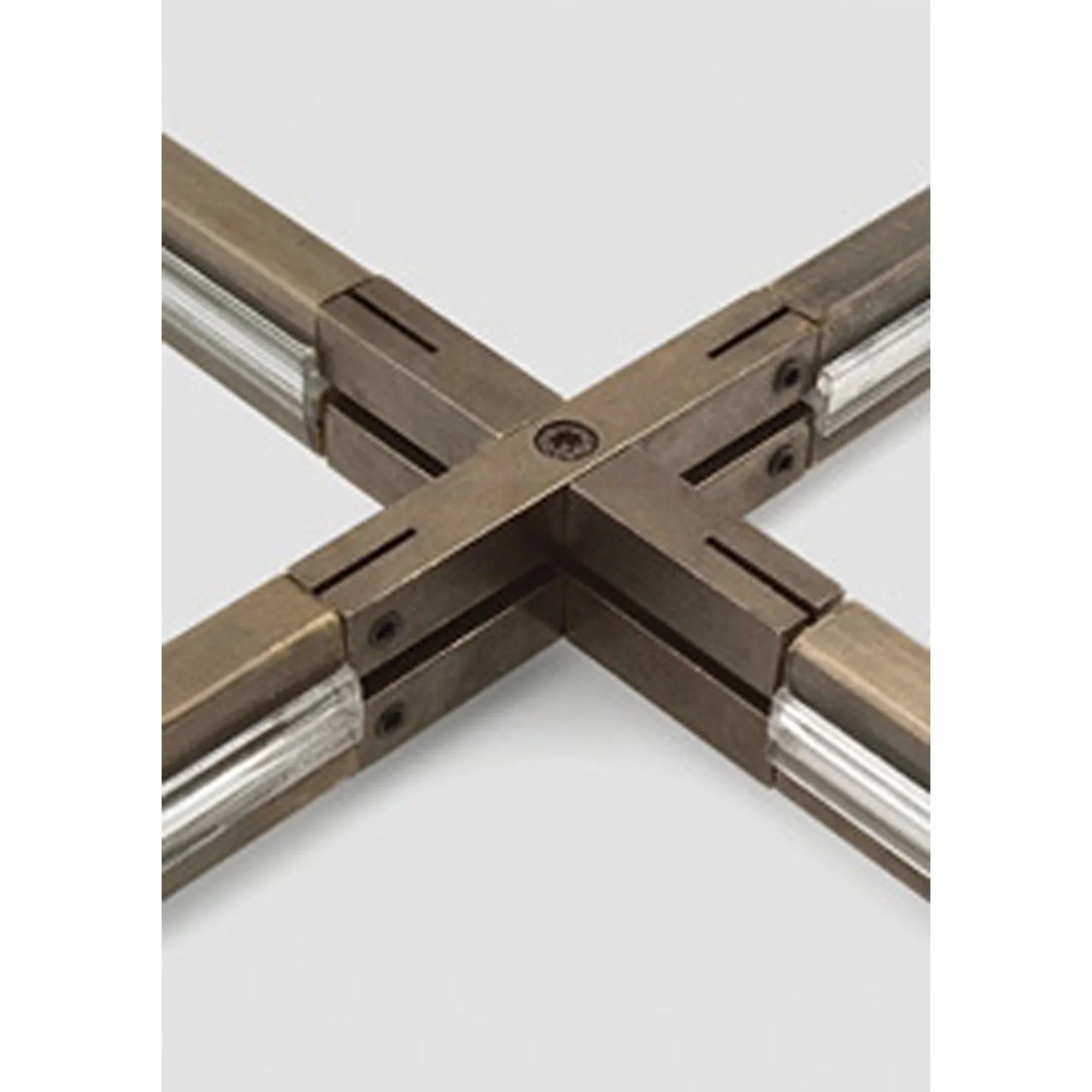
- Compatibility: Monorail uses its own specified components. H-, J-, and L-type track heads, feeds, and connectors should not be assumed interchangeable with monorail parts.
- Flexibility: Bendable monorail can form curved layouts within its installation limits, while standard track commonly uses straight sections joined with compatible connectors.
- Fixture Design: Compatible heads and pendants can combine directional illumination with decorative forms, including compact fixtures and suspended accents.
Where only one fixture is needed, monopoint lighting provides an alternative to a continuous rail arrangement.
Planning a Monorail Lighting Layout
Plan the rail shape, feed location, supports, fixture positions, and connected load together. Check bending limits, permitted pendant weight, power-component capacity, and dimming compatibility before combining parts.
Monorail lighting brings adjustable illumination and curved architectural layouts into a coordinated system. Matching the rail, fixtures, supports, and power components helps create an arrangement suited to the space and its intended tasks.


