



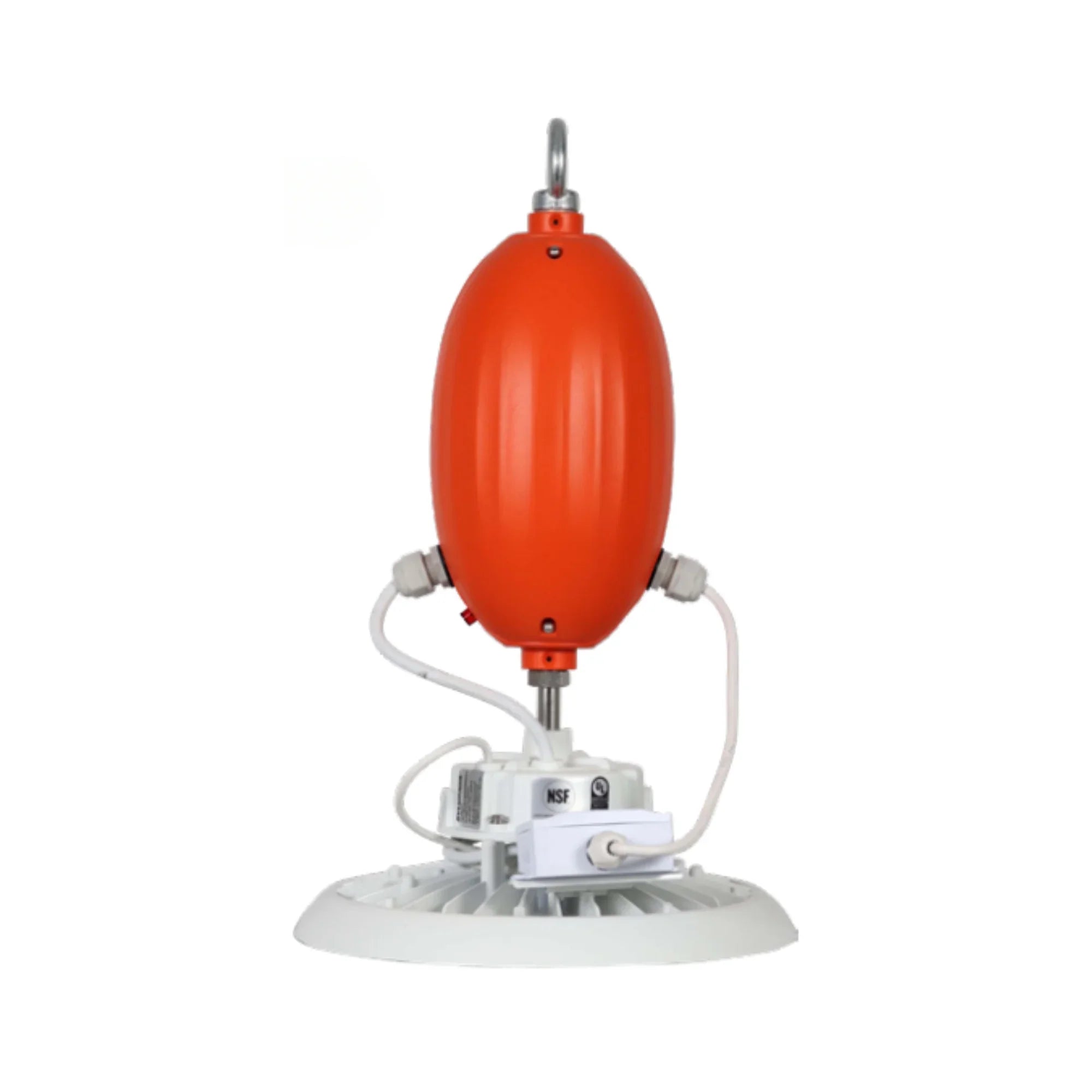
An emergency LED driver (also known as a BBU or battery backup unit) is a critical safety component that converts your existing light fixtures into code-compliant emergency lighting. In many architectural or commercial spaces, installing separate "bug eye" emergency lights can ruin the aesthetic. An emergency lighting driver offers a discreet solution. When the main AC power fails, the driver automatically detects the outage and switches the fixture to battery power, keeping the lights on for the required 90 minutes. This ensures safe egress without the need for additional wall-mounted hardware.
Types of Emergency Battery Backup Drivers
Different fixtures require different driver form factors. We stock solutions for every application:
- Outdoor & Wall Pack: Specialized drivers for exterior fixtures like wall packs and canopy lights. These often feature a 2-piece split design (separating the battery from the control module) to fit inside tight die-cast housings while maintaining Wet Location ratings.
- Linear & T8: Long, slim drivers designed to fit inside the ballast channel of strip lights and vapor tight fixtures.
- Compact & Downlight: Small metal enclosures with flexible conduit, designed to sit on top of recessed cans or in tight plenums.
- Panel & Troffer: Integrated boxes that mount to the back of 2x2 or 2x4 flat panels.
- High Bay & Industrial: High-wattage, rugged drivers (often IP65 rated) capable of powering powerful UFO high bays in warehouses.
How Emergency Drivers Power Your Fixtures
Selecting the correct LED emergency battery pack depends on how the driver interacts with your fixture's electronics. There are two primary methods:
1. Powering the LED Module Directly (Low Voltage DC): Many emergency drivers work alongside the fixture's normal driver but operate independently during an outage. In an emergency, they bypass the normal driver and deliver power directly from the battery to the LED chips.
- Output: Typically Low-Voltage DC (15-60VDC).
- Compatibility: You must match the driver's output voltage range to the specific requirements of the LED array (the board itself).
- Benefit: Highly efficient and common in integrated LED fixtures like linear strips.
2. Powering the Normal Fixture Driver (High Voltage AC/DC): Other emergency LED drivers are designed to power the fixture's existing AC driver, essentially acting like a mini-inverter.
- Output: High-Voltage AC (often 120VAC or 277VAC) or High-Voltage DC (up to 500VDC).
- Compatibility: This method uses the fixture’s own electronics to power the LEDs. It is ideal for fixtures where you cannot access the internal LED board or where the voltage requirements are non-standard.
- Benefit: Simplifies installation for complex fixtures like screw-in lamps or sealed downlights.
Shop LED Emergency Battery Backup Units
Don't leave your safety to chance. At Bees Lighting, we carry a comprehensive selection of UL 924 listed emergency ballasts and LED drivers. Whether you are retrofitting a single office downlight or outfitting an entire warehouse with backup power, we have the compatible components. Browse our collection to find the right wattage and form factor for your project.


