

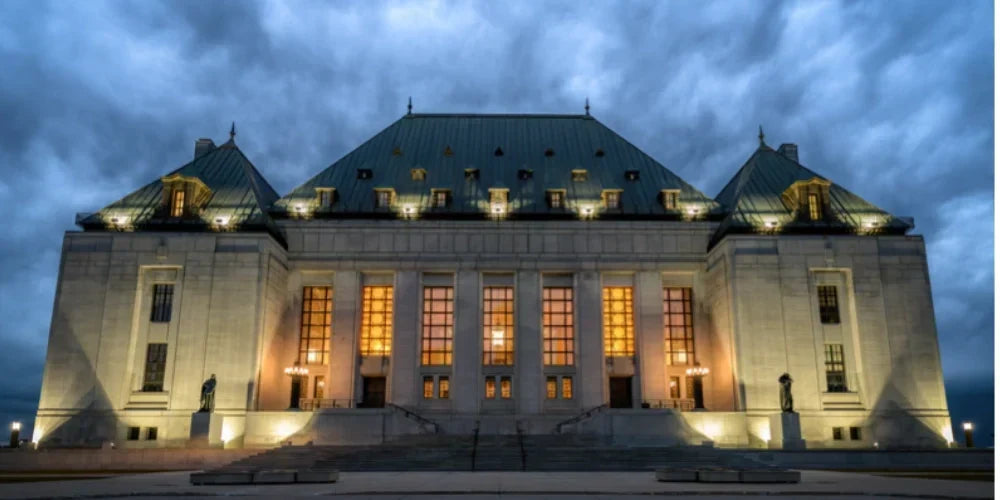
When commercial property owners or landscape architects want to make a building stand out at night, they instinctively buy the highest-wattage LED fixture they can find and point it directly at the facade. This brute-force approach frequently results in a disappointing aesthetic. Instead of highlighting the intricate textures of the brickwork or the towering height of a flagpole, the wrong floodlight will create harsh "hot spots" of blinding light near the ground while the top of the structure remains completely shrouded in darkness. Even worse, the excess illumination often bleeds into the night sky, creating severe light pollution and triggering municipal code violations.
Successfully "painting with light" requires electrical contractors and designers to understand optical physics rather than just raw lumen output. To achieve a professional architectural wash, you must properly match your floodlight's optical geometry to the physical shape of the object you are illuminating. By mastering the NEMA beam spread classification system, calculating the proper setback distances, and utilizing targeted glare-reduction accessories, you can deploy the best outdoor flood lights to transform flat building facades, grand oak trees, and structural columns into stunning nighttime centerpieces.
⚡ Quick Answer
To choose the right LED floodlight for architectural uplighting, you must match the fixture's NEMA beam spread to the object you are illuminating. For tall, narrow objects like flagpoles or architectural columns, use a tight NEMA 3x3 beam spread to push light high into the air without causing light pollution. For wide, expansive surfaces like building facades or large oak trees, use a broad NEMA 6x6 beam spread to create an even, overlapping wash of light.
Uplighting vs. Downlighting: The Core Rules of Architectural Highlighting
Architectural highlighting generally falls into two categories: downlighting and uplighting. Downlighting involves mounting a fixture high up (like under an eave or on a pole) to cast light down toward the ground, which mimics natural sunlight and is primarily used for safety and security.
Uplighting reverses this dynamic. By mounting commercial floodlights at ground level and aiming them upward, you create dramatic, high-contrast shadows that emphasize texture (like stone cladding or tree bark) and structural verticality. However, because uplighting inherently projects lumens directly into the sky, it requires much stricter optical control to avoid violating Dark Sky ordinances. To see how these rules apply on a smaller residential scale, explore our related guide on Low-Voltage Hardscape Lighting & Dark Sky Compliance.
Understanding NEMA Beam Spreads (The 1 to 7 Scale)
The National Electrical Manufacturers Association (NEMA) developed a standardized classification system to describe exactly how wide or narrow an outdoor fixture's beam of light will be. The scale runs from Type 1 (an incredibly tight, laser-like spotlight) to Type 7 (a massively wide flood of light).
The NEMA rating is determined by calculating the specific horizontal and vertical angles where the light intensity drops to 10% of its maximum center-beam value. Ratings are expressed in a horizontal (H) by vertical (V) format. If a fixture projects a perfectly symmetrical cone of light, it is expressed as a single matching sequence, such as NEMA 6x6. If a fixture projects an asymmetrical oval (to push light wide without pushing it high), it might be listed as a NEMA 7x6.
| NEMA Type | Beam Spread Angle | Projection Profile | Ideal Architectural Application |
|---|---|---|---|
| Type 1 (Very Narrow) | 10° to 18° | Extreme long-throw. | Skyscraper spires, massive cell towers. |
| Type 2 (Narrow) | 19° to 29° | Tight vertical push. | Tall architectural columns, narrow monuments. |
| Type 3 (Medium Narrow) | 29° to 46° | Focused upward throw. | Flagpoles, multi-story structural pillars. |
| Type 4 (Medium) | 46° to 70° | Balanced forward wash. | Small monument signs, exterior building accents. |
| Type 5 (Medium Wide) | 70° to 100° | Wide vertical and horizontal coverage. | Lower mounting heights, mid-sized retail facades. |
| Type 6 (Wide) | 100° to 130° | Broad horizontal spread. | Wide brick facades, large oak tree canopies. |
| Type 7 (Very Wide) | 130°+ | Maximum short-range spread. | Close-range wall washing, broad billboard signage. |
Lighting Tall and Narrow (Flagpoles and Columns)
When illuminating a towering object like a commercial flagpole or a classical structural pillar, the objective is to push the light aggressively upward while keeping the beam physically contained within the edges of the object.
Why You Need a Tight NEMA 3x3 Beam
If you aim a standard wide floodlight at a flagpole, 80% of the light will completely miss the narrow pole and blast into the surrounding night sky, blinding pedestrians and wasting electricity. Instead, you must specify a fixture with a narrow NEMA 3x3 or NEMA 2x2 distribution. This tight optic focuses all the lumen intensity into a highly concentrated vertical column, ensuring the light travels high enough to illuminate the flag waving at the top without spilling sideways.

For towering applications, RAB Lighting offers the premium RAB FXLED series. By specifying the FXLED in a 3x3 configuration, lighting designers can deliver a precision-engineered, intense spotlight punch capable of reaching the top of 40-foot flagpoles and multi-story pillars. The Keystone XFit Bullet Floodlight is another alternative. It ships with a NEMA 4H x 4V optic pre-installed, but includes an optional NEMA 3H x 3V optic right in the box. Installers can quickly swap to the 3x3 lens using a simple 4-screw lock mechanism to achieve an intensely focused, long-throw beam.
Lighting Wide and Broad (Brick Facades and Signage)
Conversely, when tasked with a facade lighting layout for a sprawling, single-story brick exterior, a tight spotlight will fail miserably, creating harsh, isolated vertical stripes (often called a "scalloping" effect) with dark shadows in between.
Why You Need a Wide NEMA 6x6 Wash
To properly wash a broad building exterior or for uplighting trees with floodlights, you need a wide NEMA 6x6 or NEMA 7x7 distribution. This ultra-wide beam spread allows the light to fan out quickly from the source. By placing several wide floodlights along the base of a wall, the wide beams will intersect and overlap, creating a smooth, uniform blanket of light that highlights the architectural texture flawlessly without hot spots.

To achieve this sweeping coverage, the RAB X34 Economy Flood and the RAB FXLED in its 6x6 configuration are outstanding choices. If you need ultimate on-site flexibility, the LEDVANCE OPTI-SELECT Floodlight and the RAB LFX Field-Adjustable Flood Light feature dynamic designs that allow contractors to physically adjust the flood light beam angle right on the job site.
The Setback Rule: How Far from the Wall Should the Fixture Be?
A crucial factor in architectural uplighting is the "setback distance"—how far away from the wall or object you mount the floodlight.
- For Grazing (Highlighting Texture): If your goal is to emphasize the rugged texture of a stone wall, mount the fixture extremely close to the base (a 1 to 2-foot setback) and aim it sharply upward. The steep angle forces the light to scrape across the surface, casting aggressive shadows that make the stonework pop.
- For Washing (Smooth Illumination): If you want to evenly illuminate a flat stucco wall or a painted mural, move the fixture further back (a 4 to 6-foot setback) and aim it at the visual center of the wall. This softens the shadows and provides a uniform, welcoming glow.
💡 BEES LIGHTING PRO TIP
When uplighting a large oak tree, avoid placing a single high-wattage floodlight directly against the trunk facing upward. This creates an unnatural "Frankenstein" shadow effect. Instead, cross-light the tree by placing two medium-wattage NEMA 6x6 floodlights at a 45-degree angle to each other, set several feet back from the canopy drip line. This captures the three-dimensional depth of the branches and leaves.

Defeating Glare: Using Visors, Barn Doors, and Hex Louvers
Because uplighting aims the LED diodes upward, there is always a risk that passing pedestrians or drivers will look directly into the blinding light source. To defeat this, professional lighting designers utilize specialized mechanical glare shields.
For maximum optical discipline, the RAB FXLED and RAB FFLED series offer fully compatible hoods and visors directly from the factory.
- Visors & Snoots: A metal hood attached to the top of the floodlight that blocks the light from bleeding backward into the eyes of pedestrians, forcing the beam strictly onto the architecture.
- Barn Doors: Adjustable metal flaps that allow you to physically "crop" the light beam in the field, preventing it from spilling onto adjacent windows or properties.
- Hex Cell Louvers: An internal honeycomb grate placed over the LED array. It physically cuts off off-angle glare, ensuring the light source is completely invisible unless you are standing directly inside the beam path.
For a broader look at how LED floodlights fit within a complete perimeter strategy, see our guide to outdoor security lights.
Key Takeaways for Your Project
- Match the NEMA Spread: Use tight NEMA 3x3 beams for tall, narrow flagpoles, and wide NEMA 6x6 beams for broad building facades.
- Control the Setback: Mount fixtures close to the wall for high-contrast texture "grazing," and move them further back for smooth, even "washing."
- Embrace Field-Adjustability: Specify dynamic fixtures from RAB Lighting or LEDVANCE that allow you to adjust the beam spread and wattage on-site to perfectly tune the architectural aesthetic.
- Defeat the Glare: Always deploy compatible hoods or visors on your ground-mounted uplights to shield the bright LED diodes from the pedestrian line of sight.
Need Expert Help with Your Lighting Design?
Explore our massive inventory of commercial LED Flood Lights at Bees Lighting, or speak directly with our certified landscape lighting specialists at 855-303-0665 for photometric layouts, project quotes, and technical support.


