



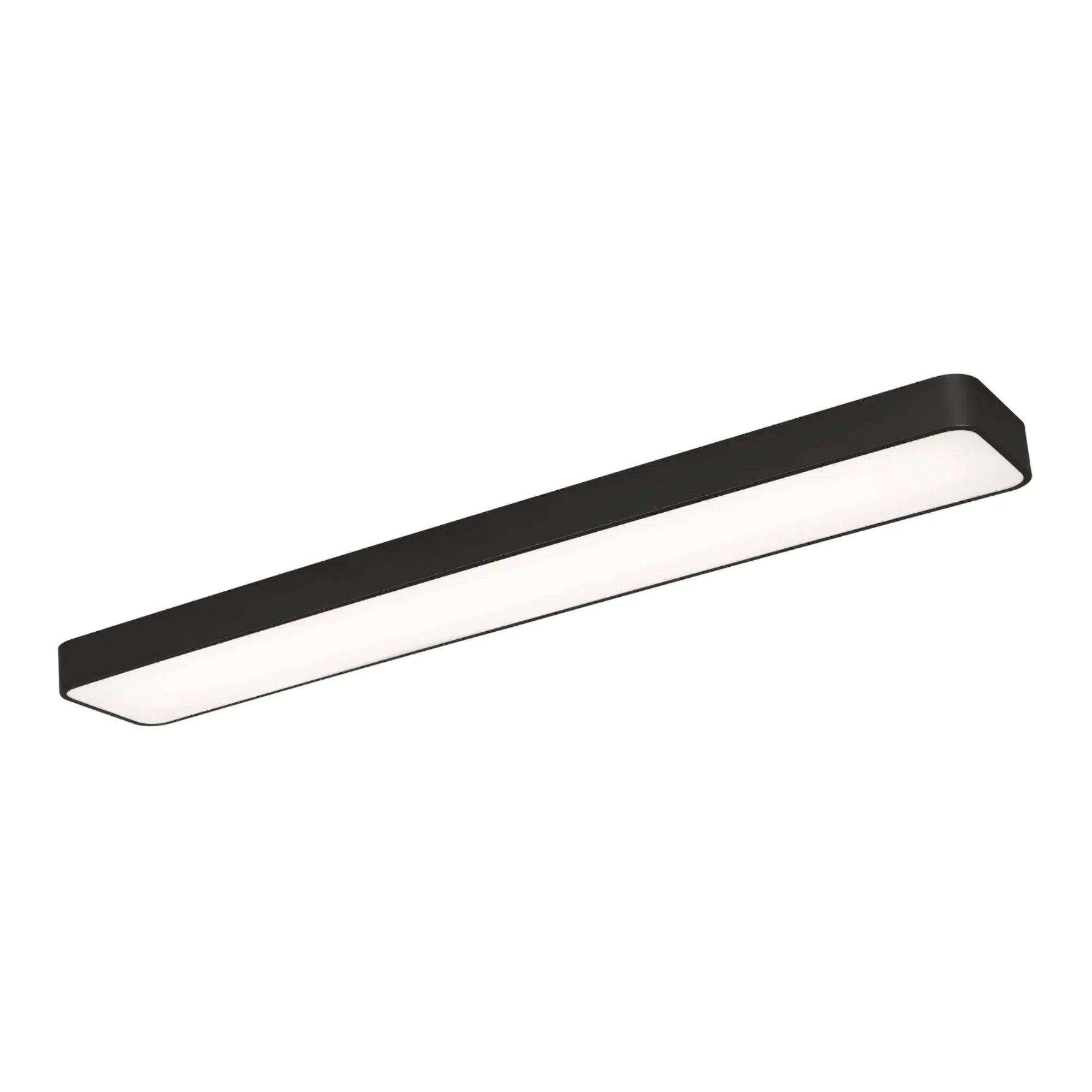
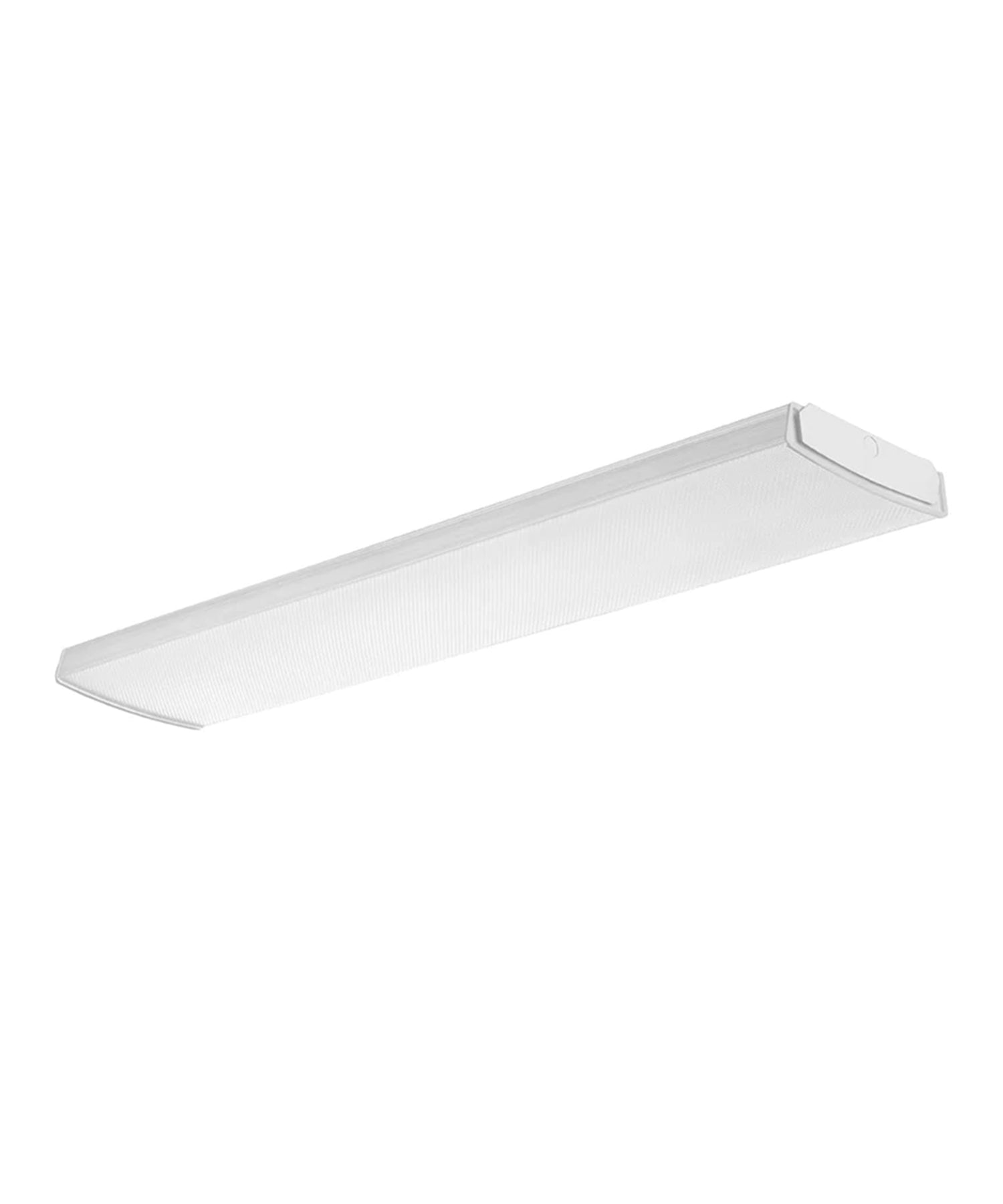
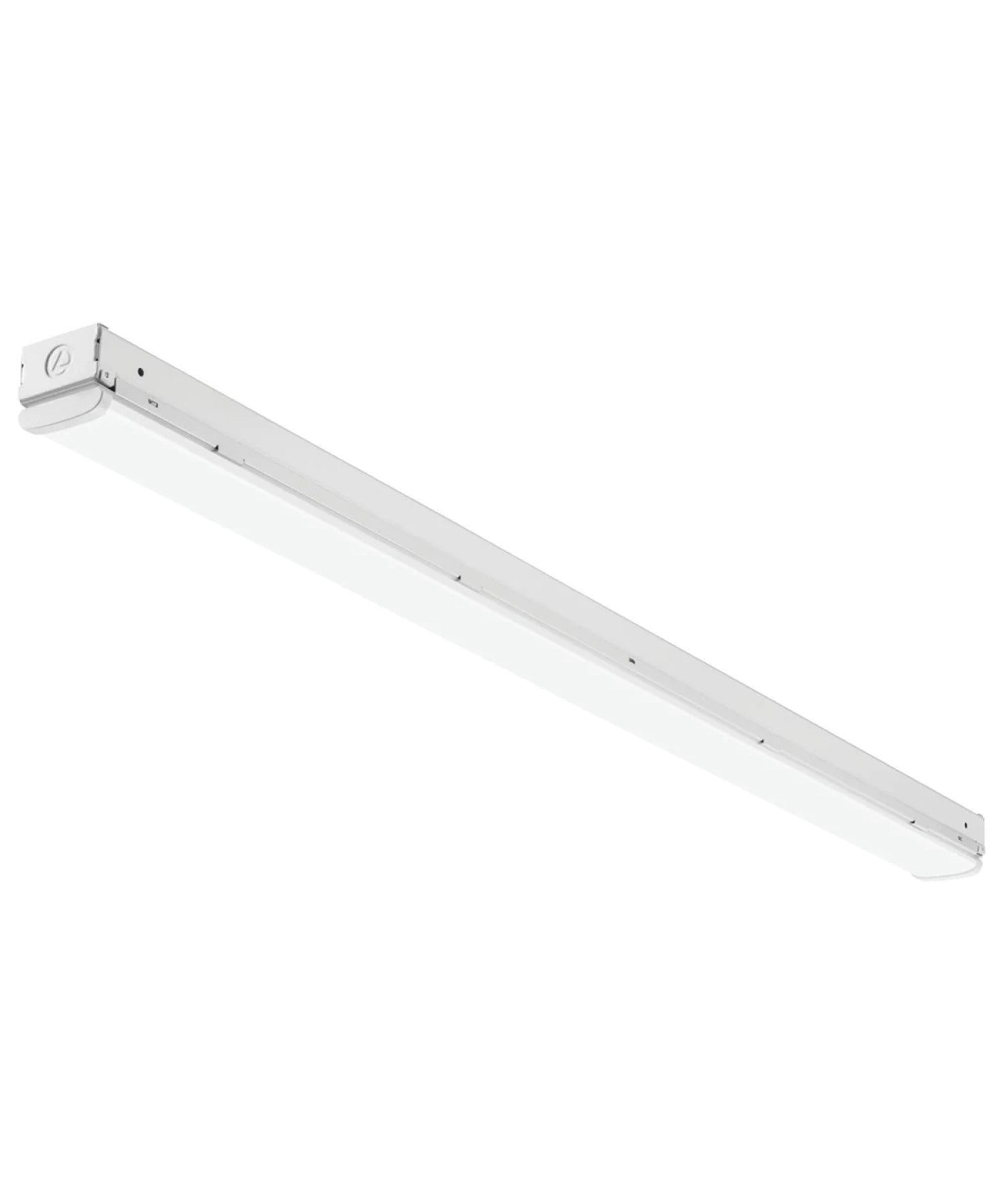
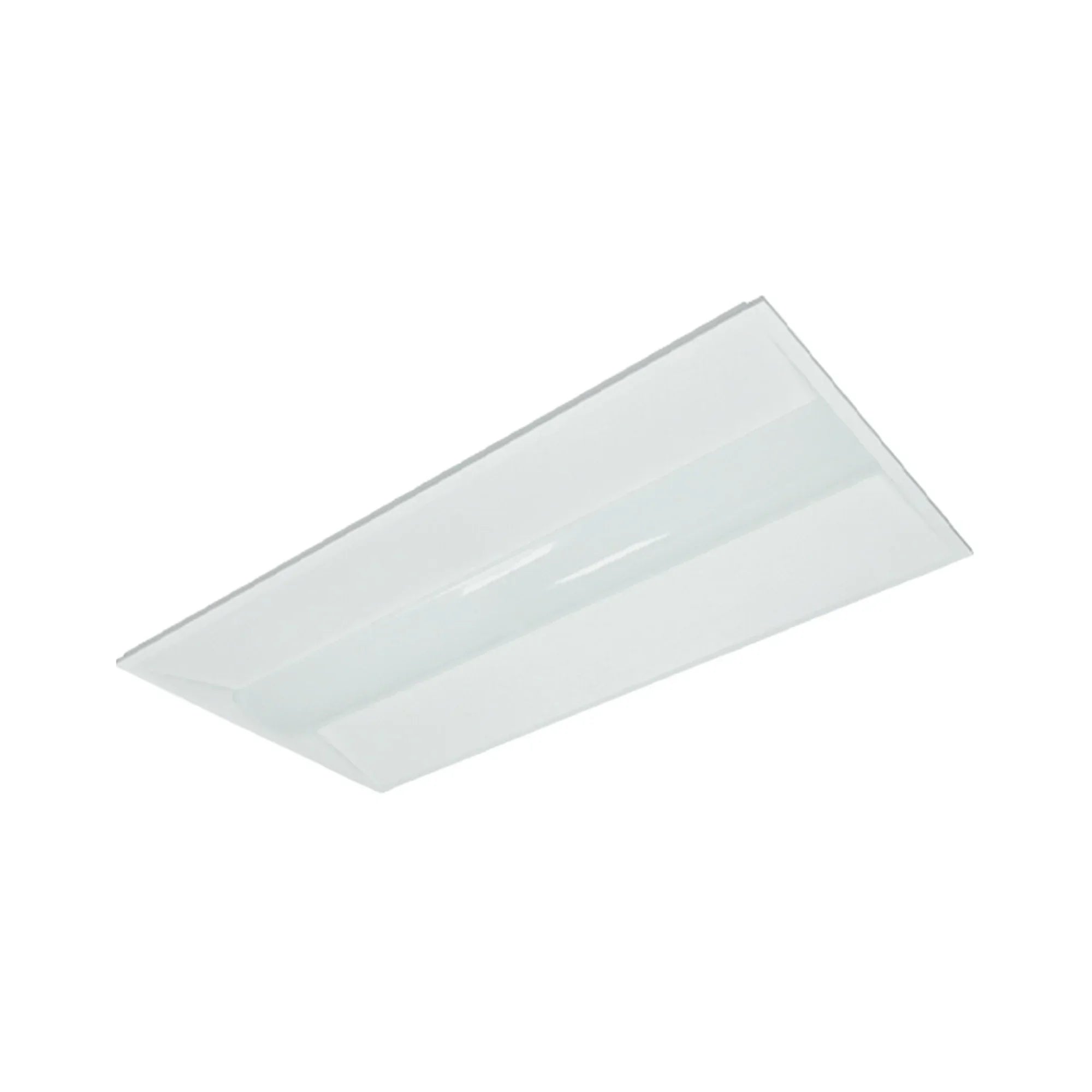
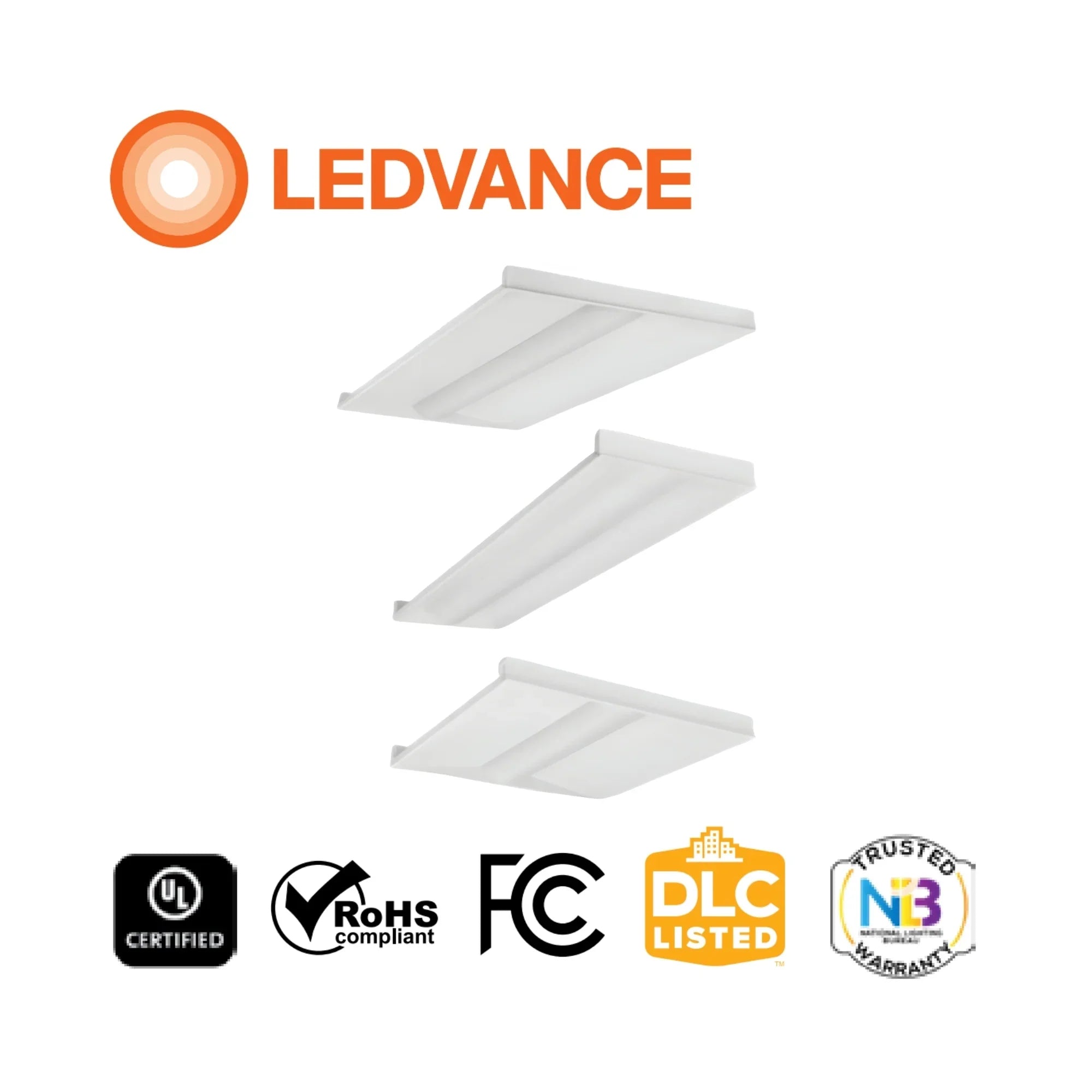
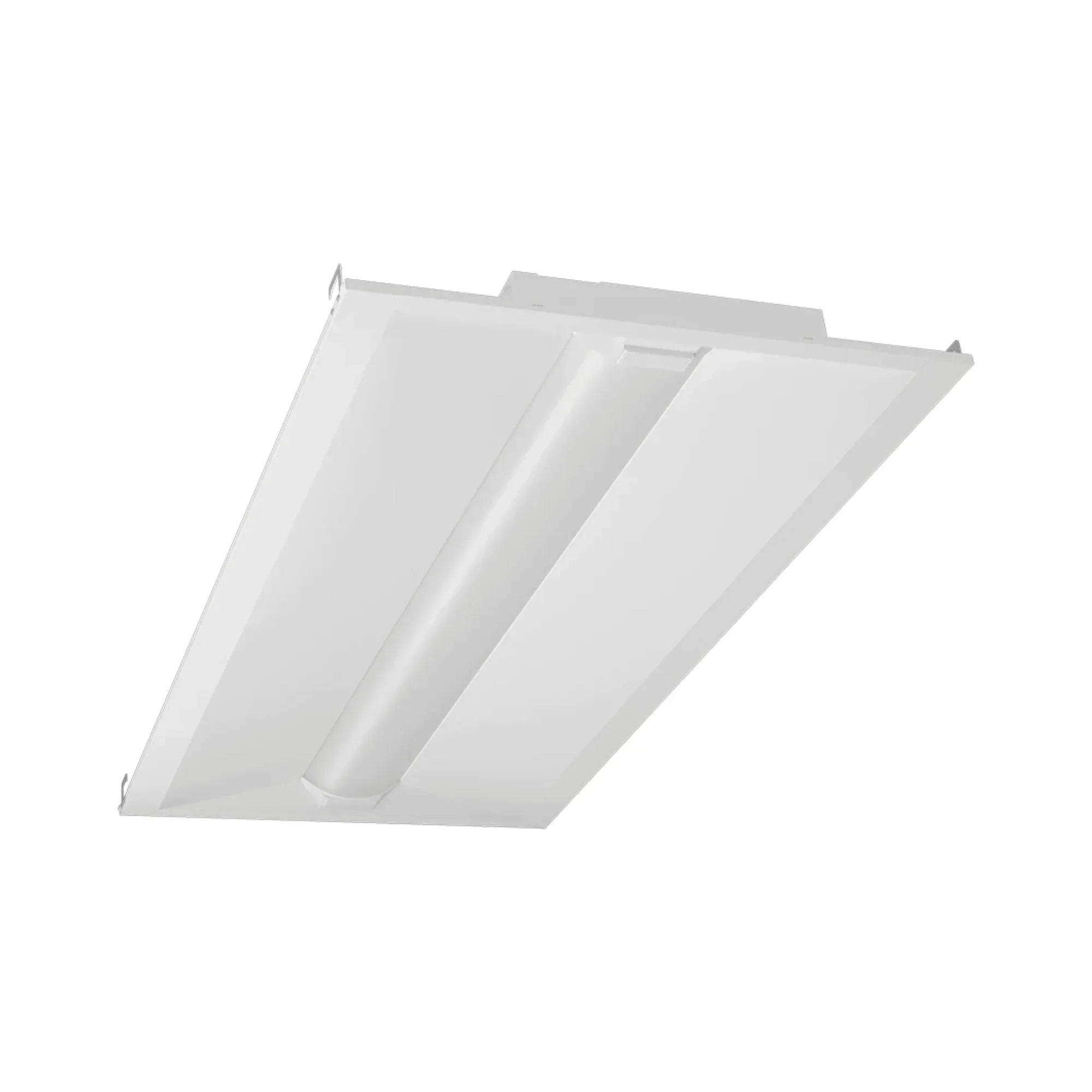
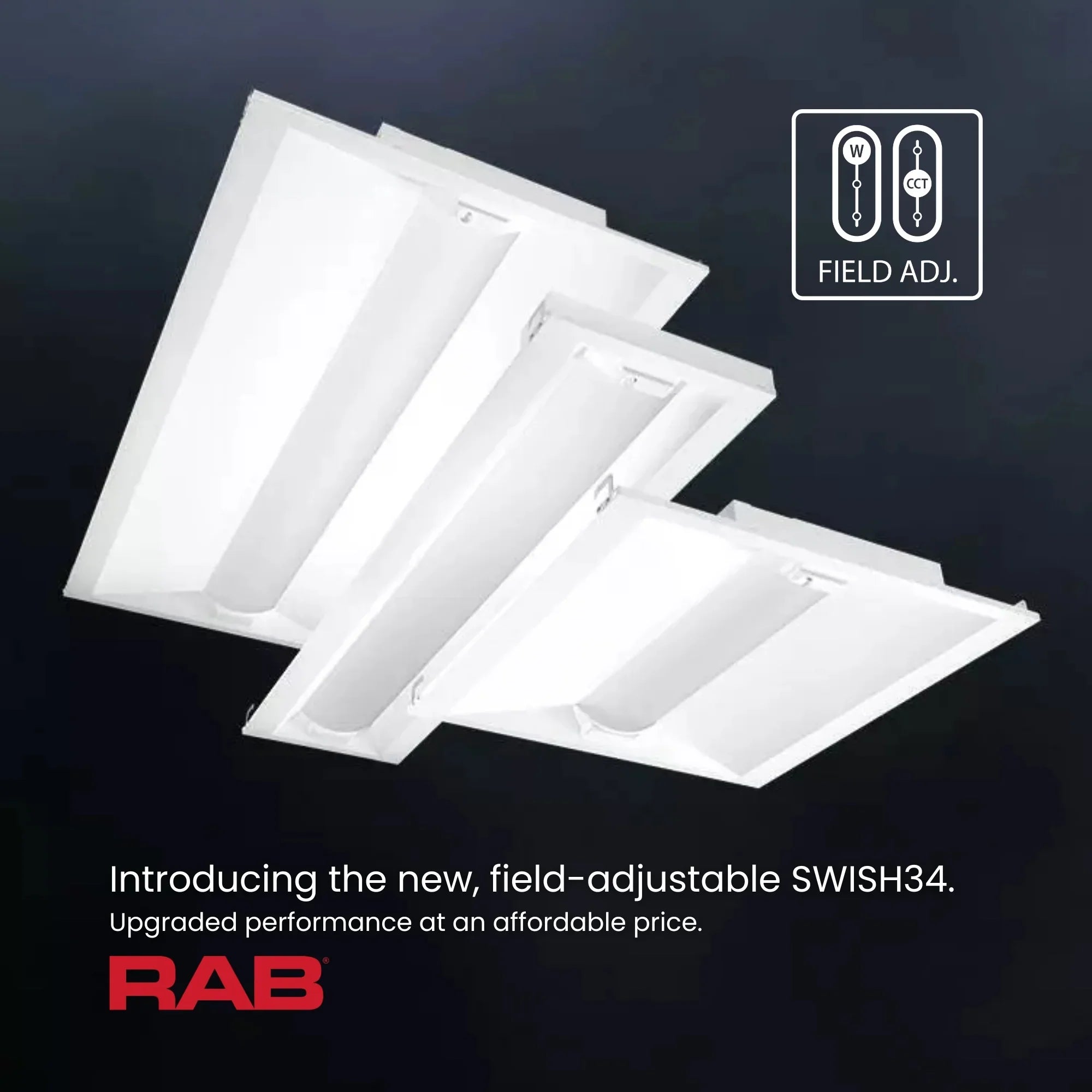
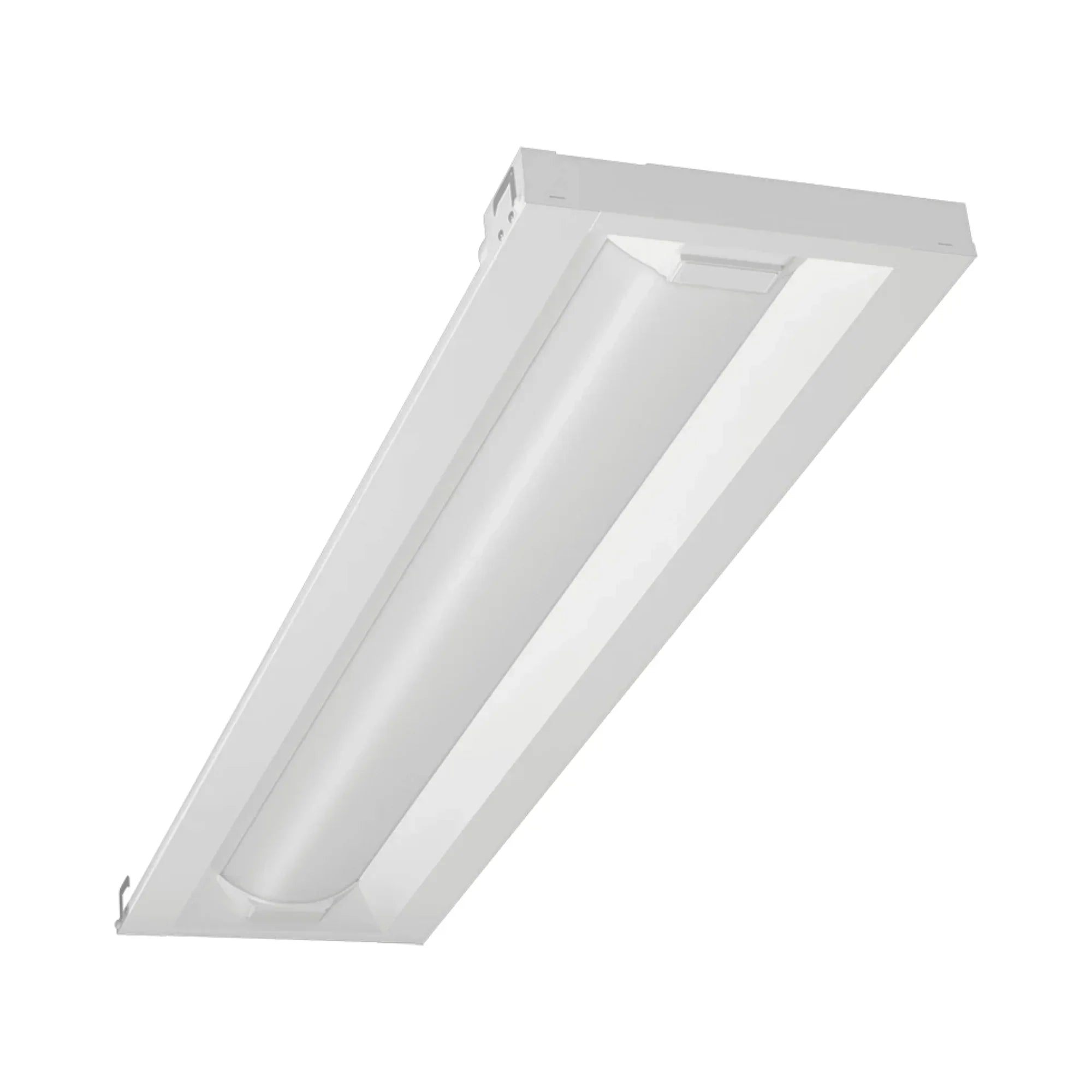


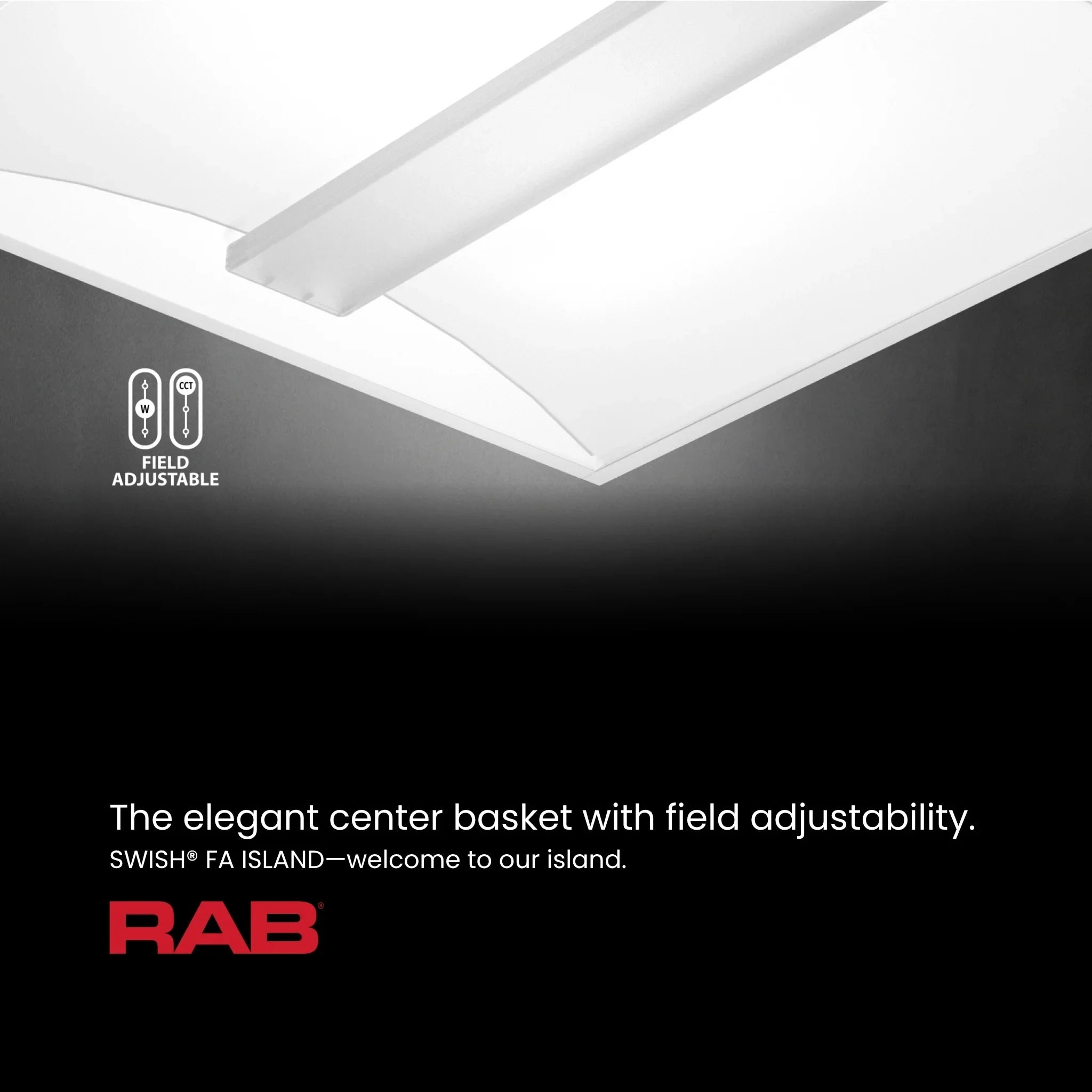
What is a Troffer Light?
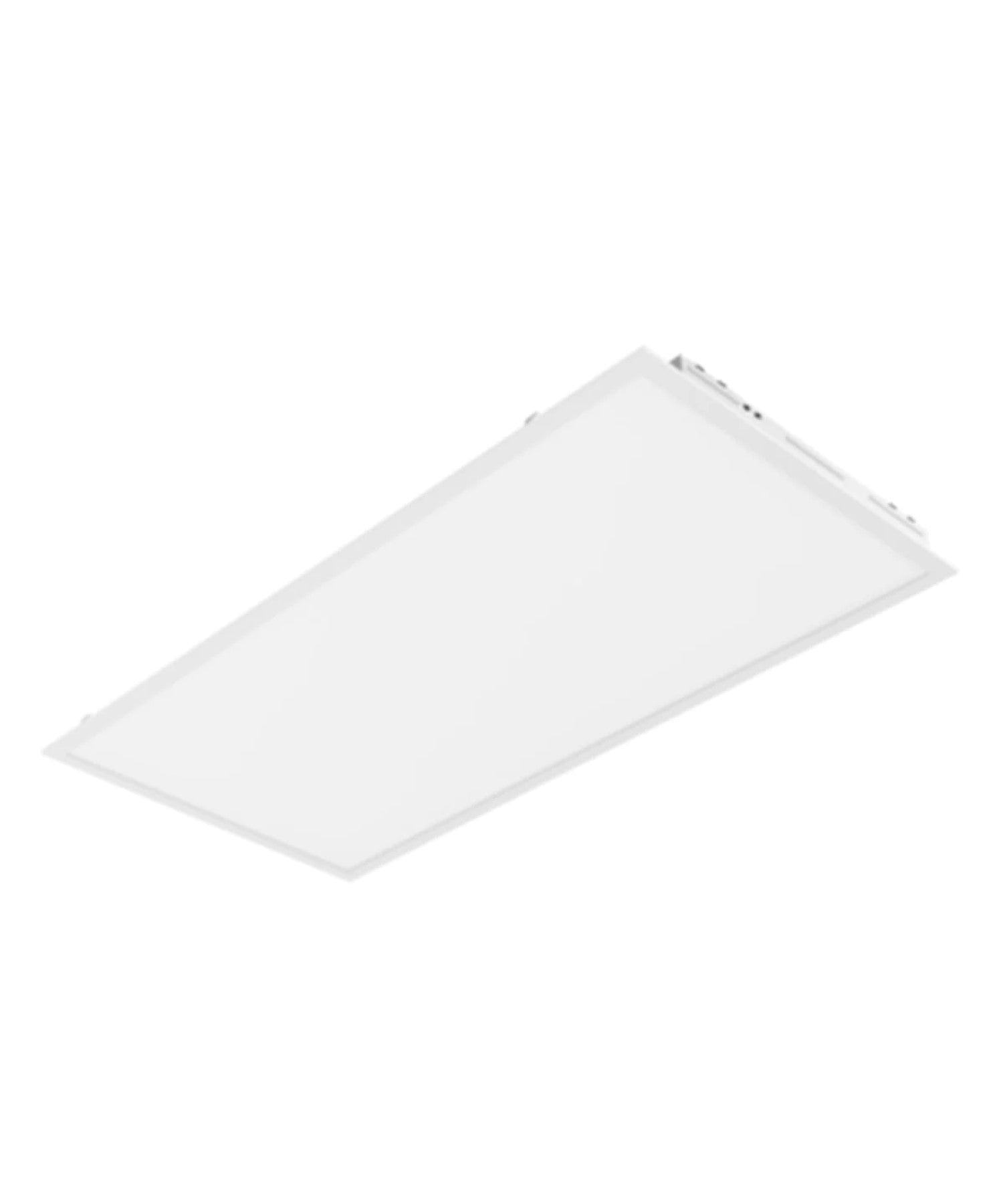
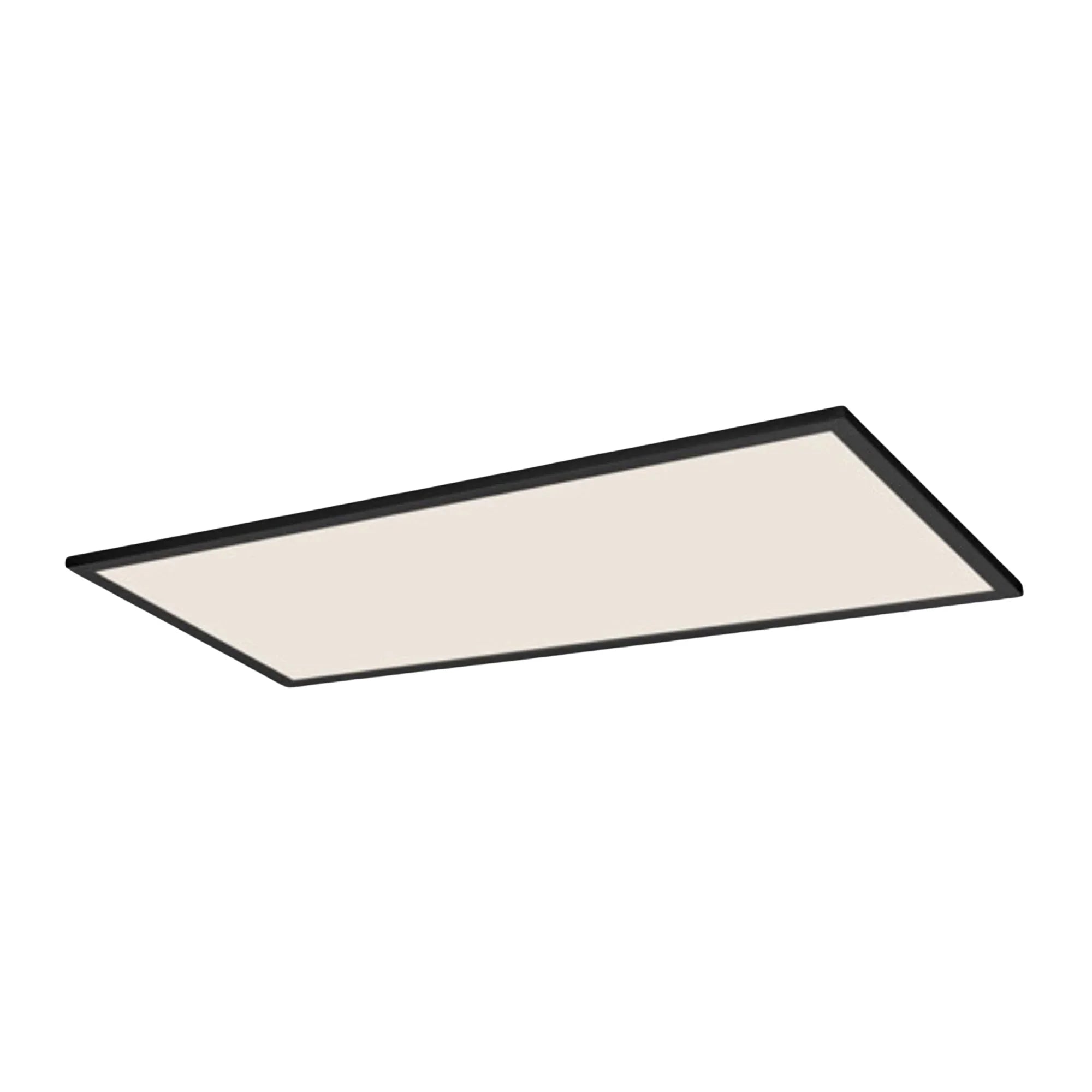
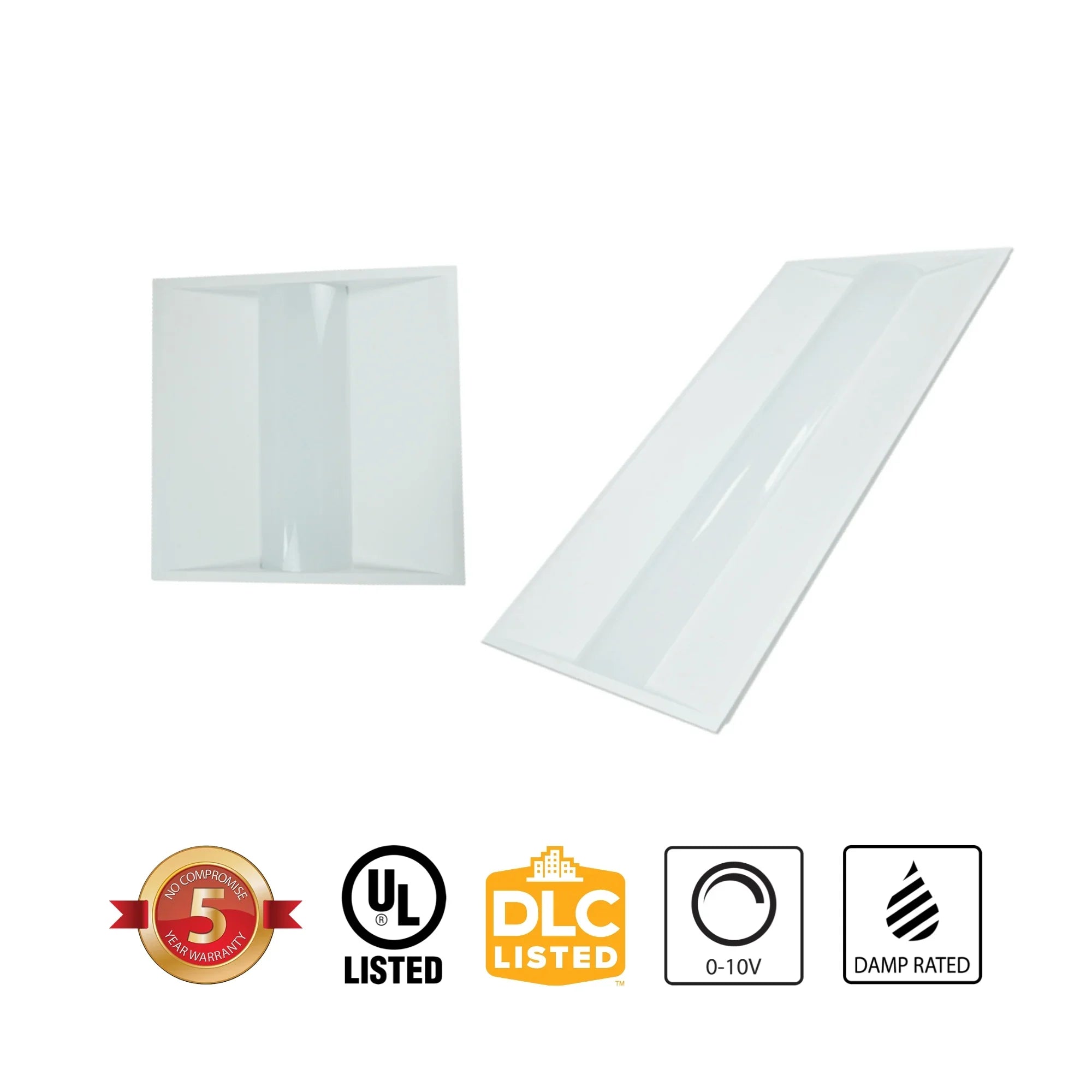
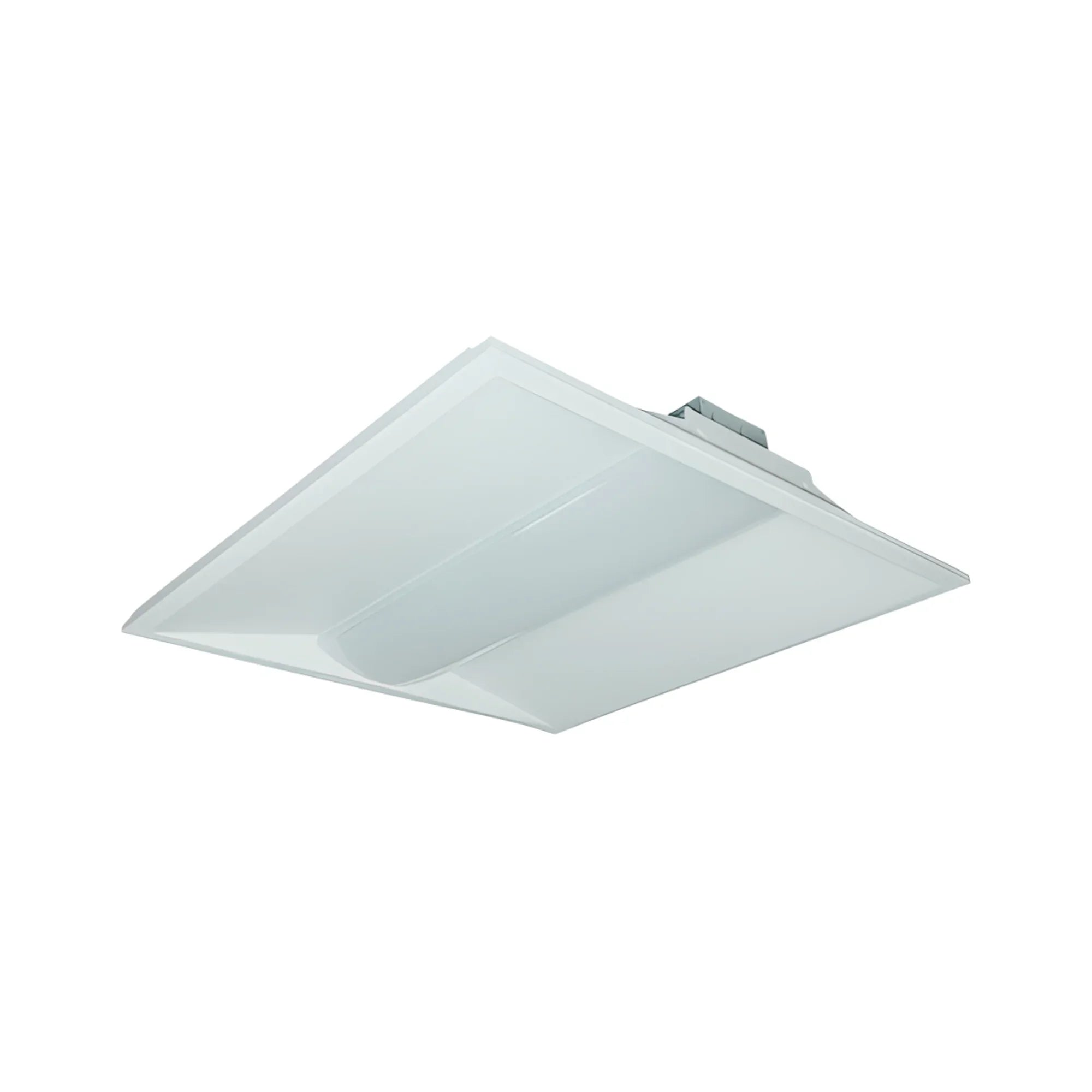
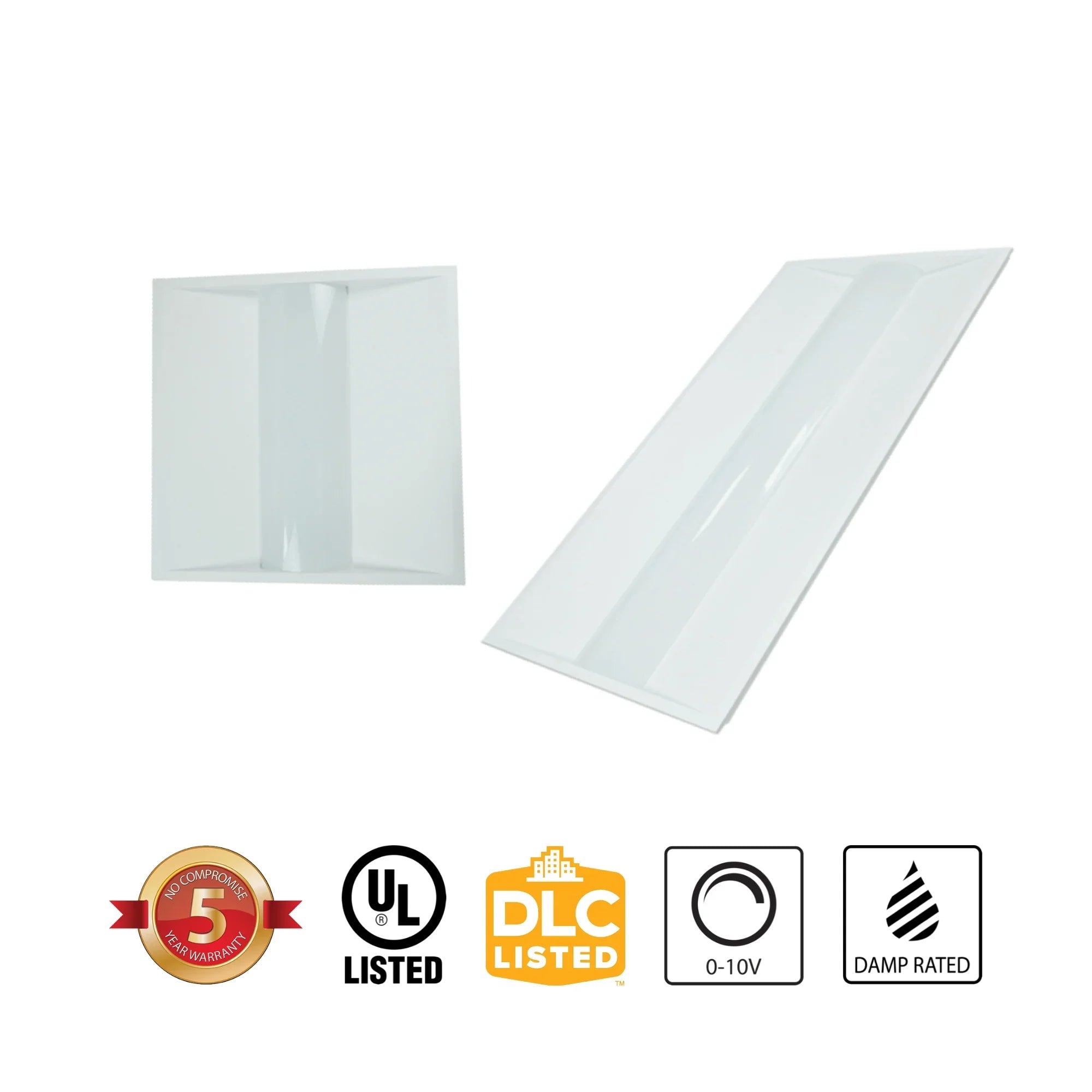
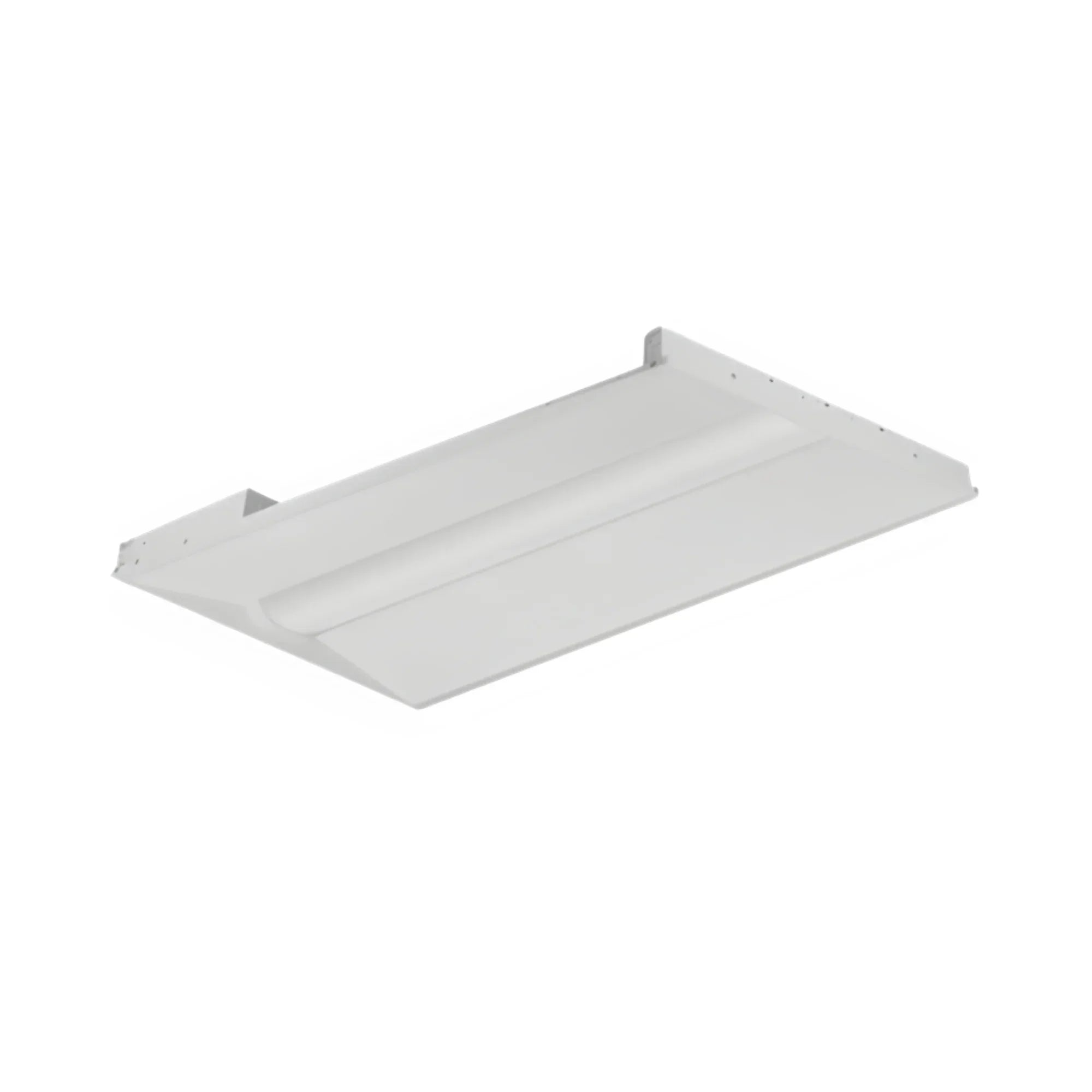
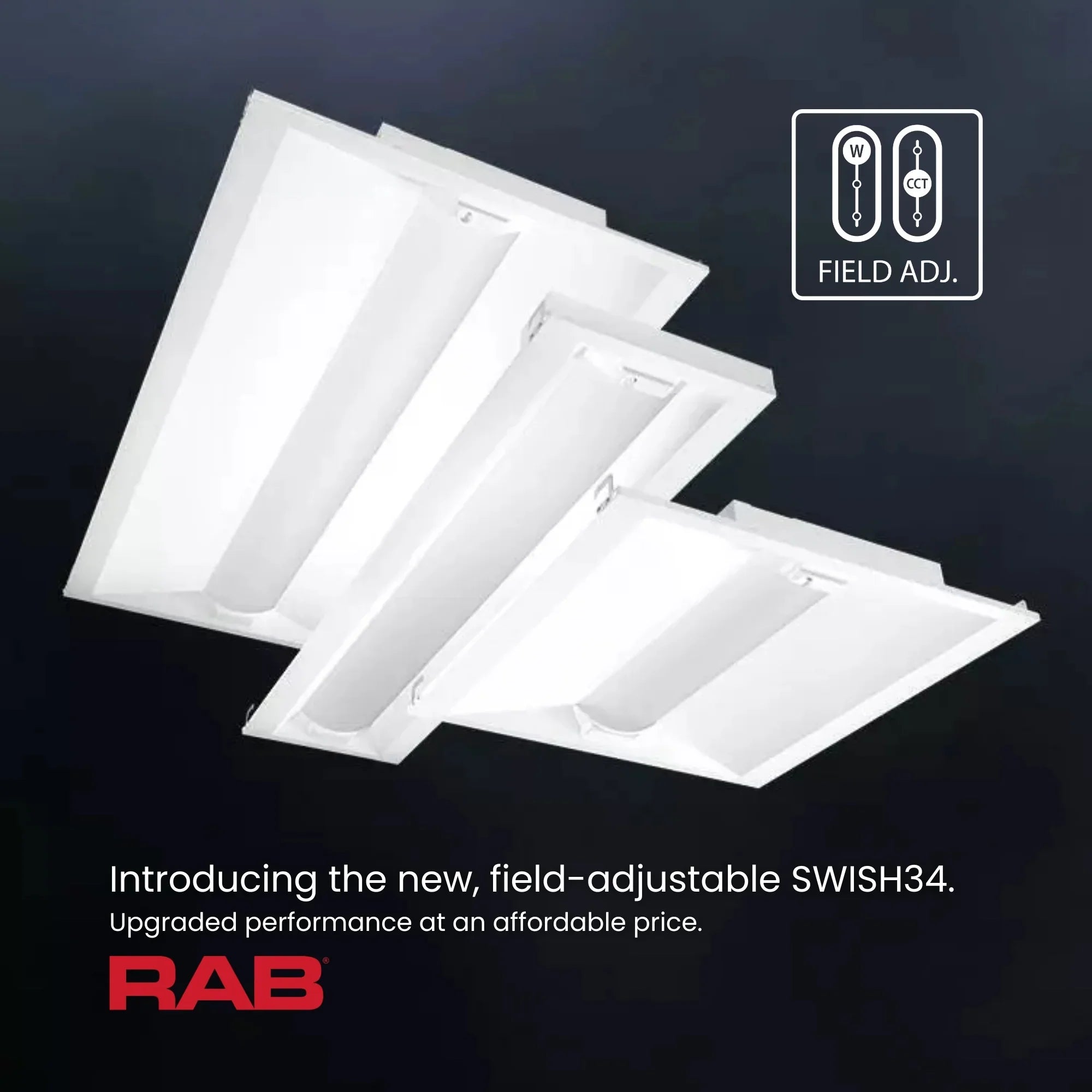
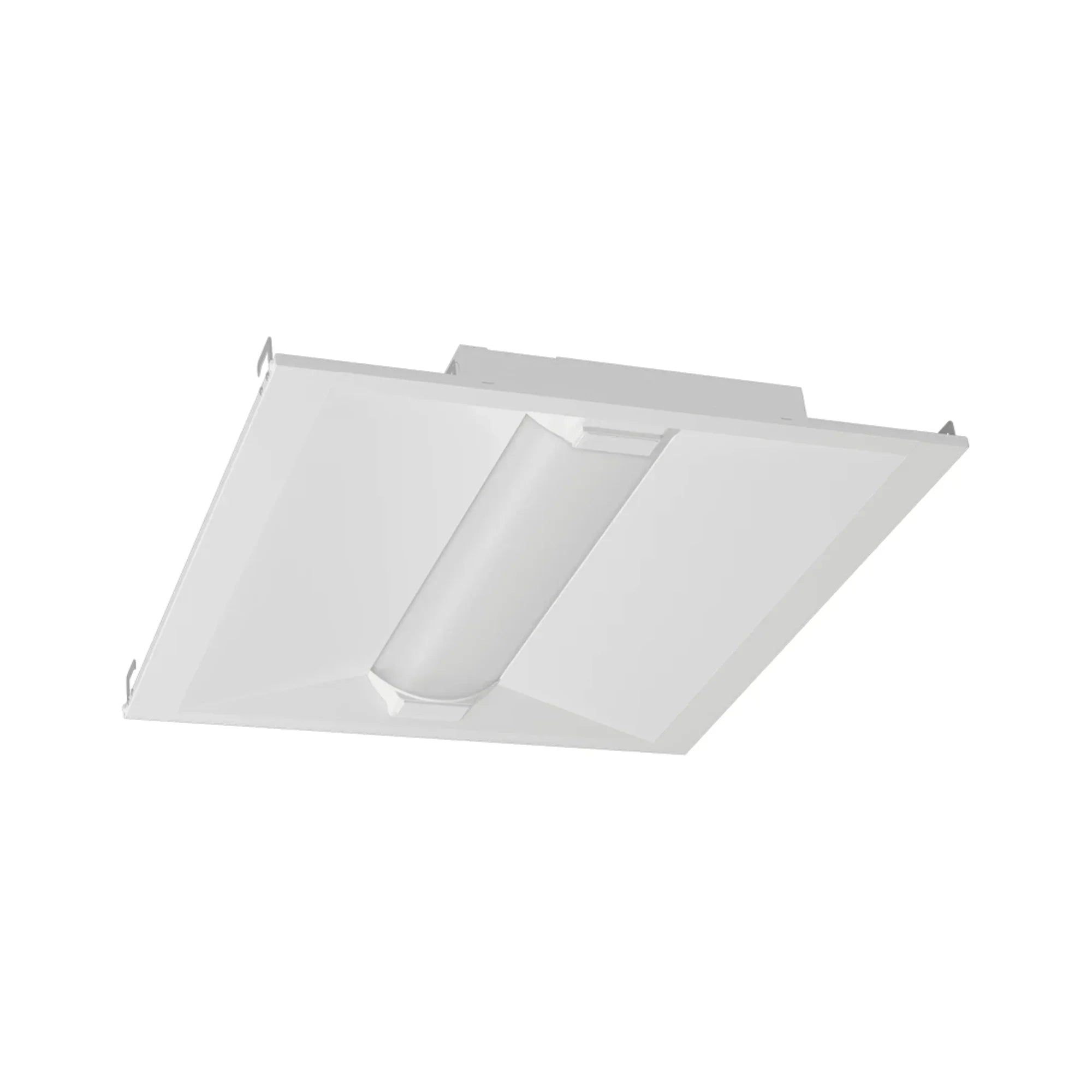
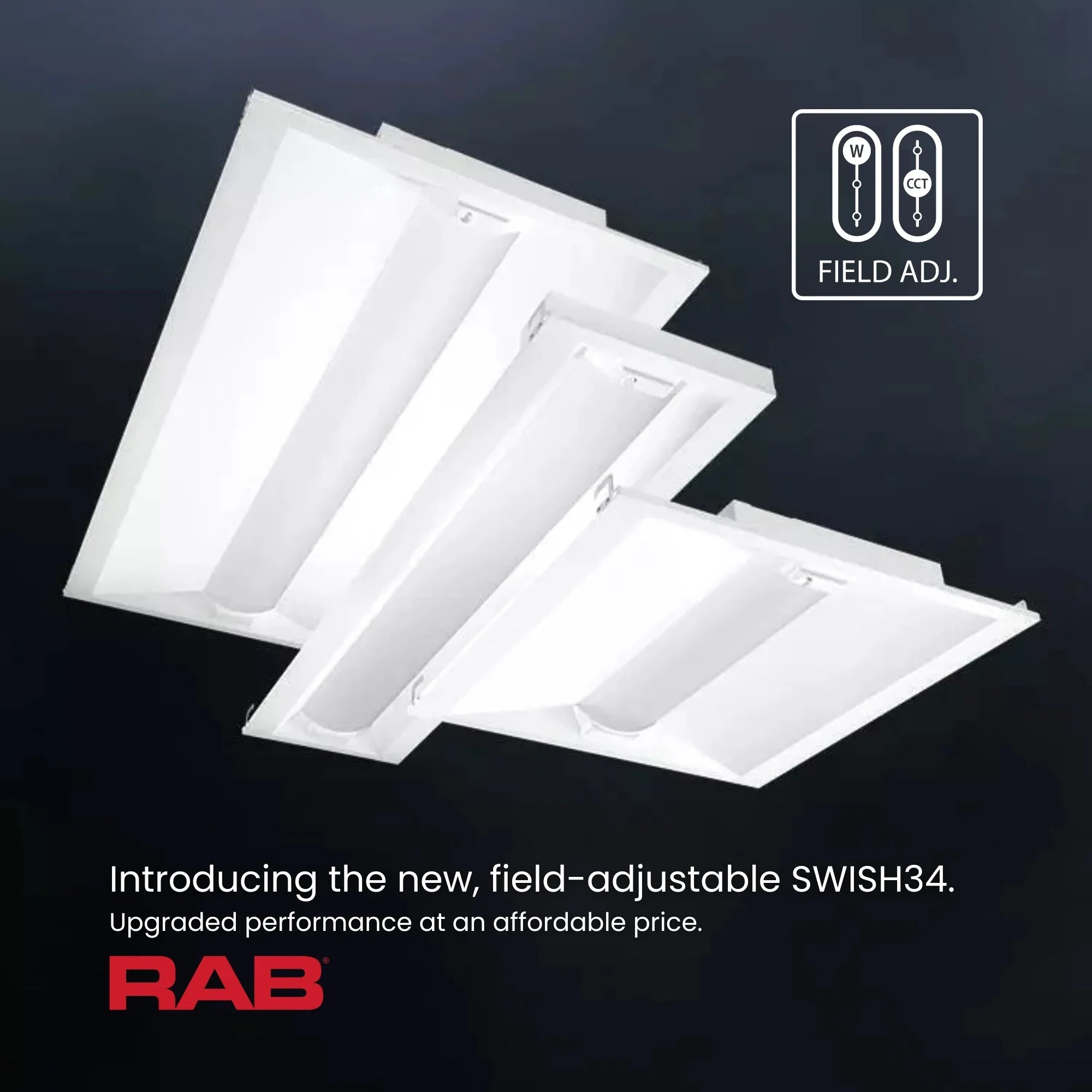
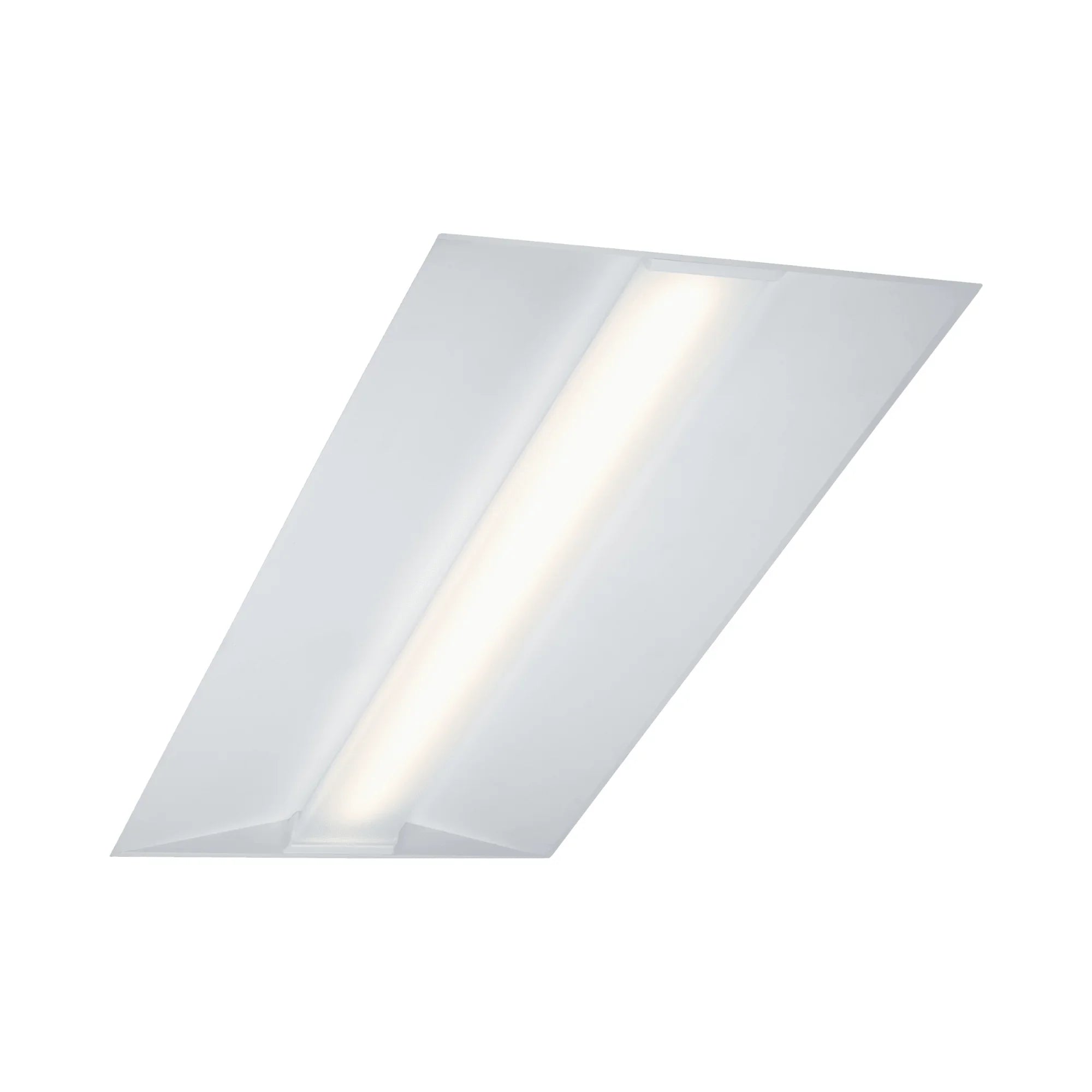
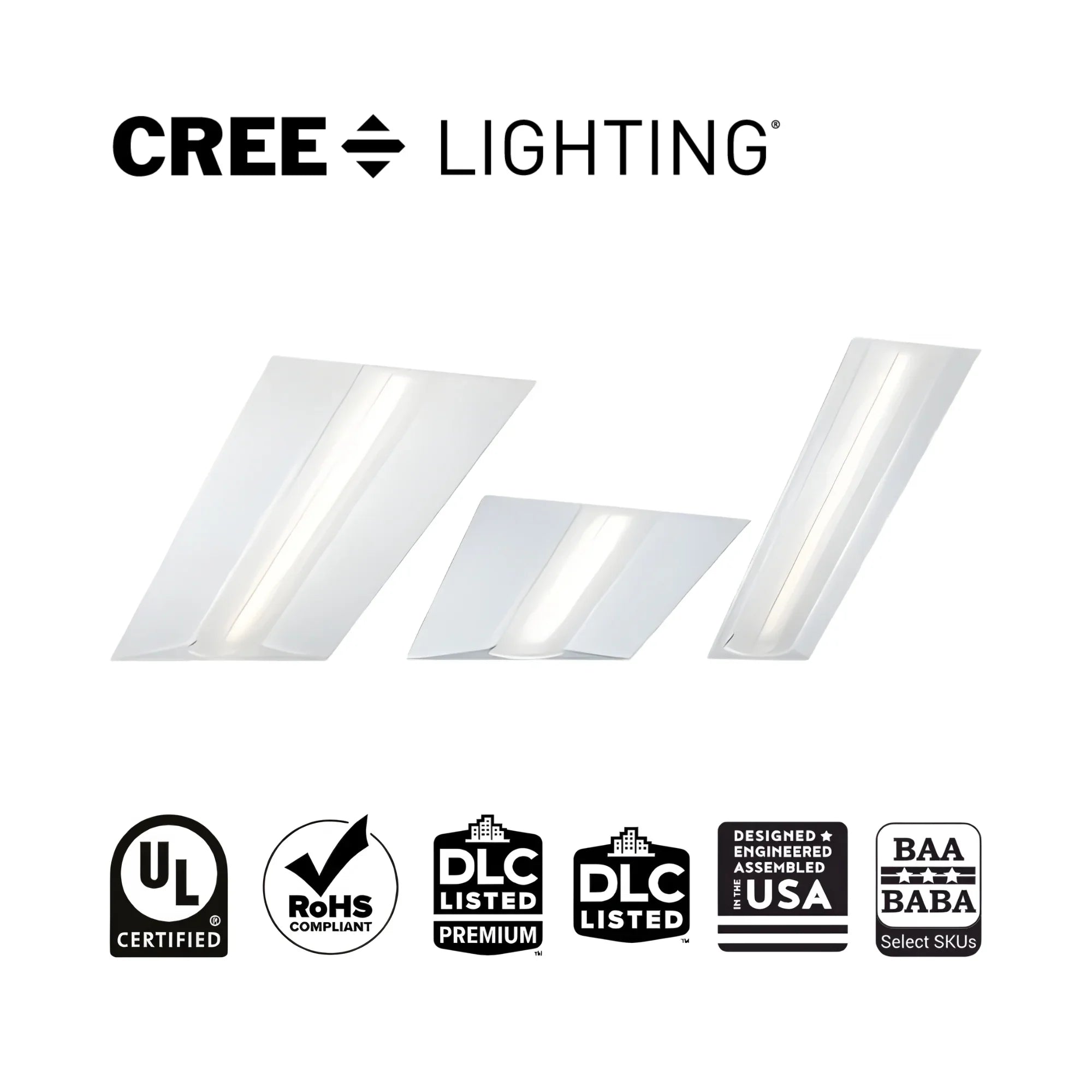
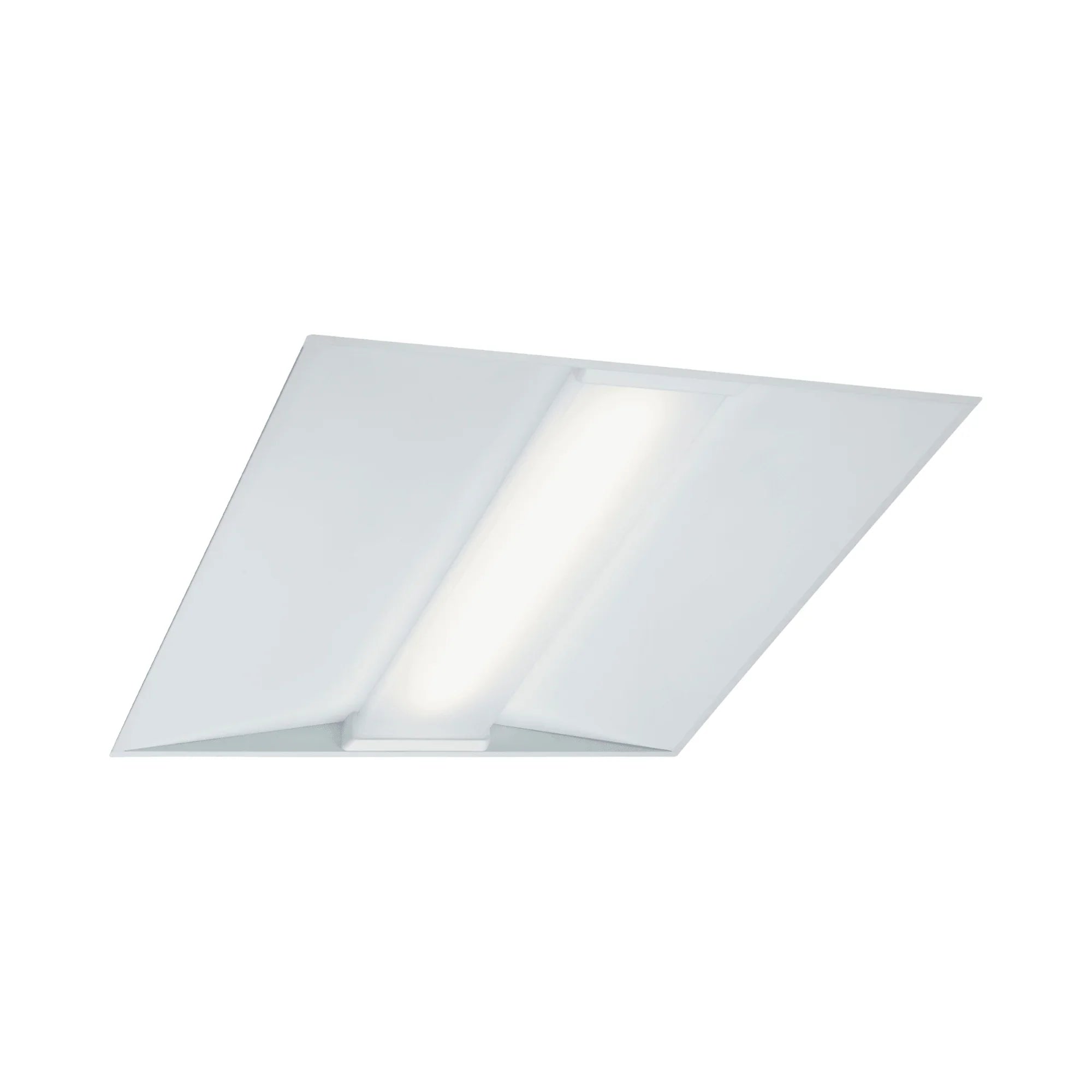
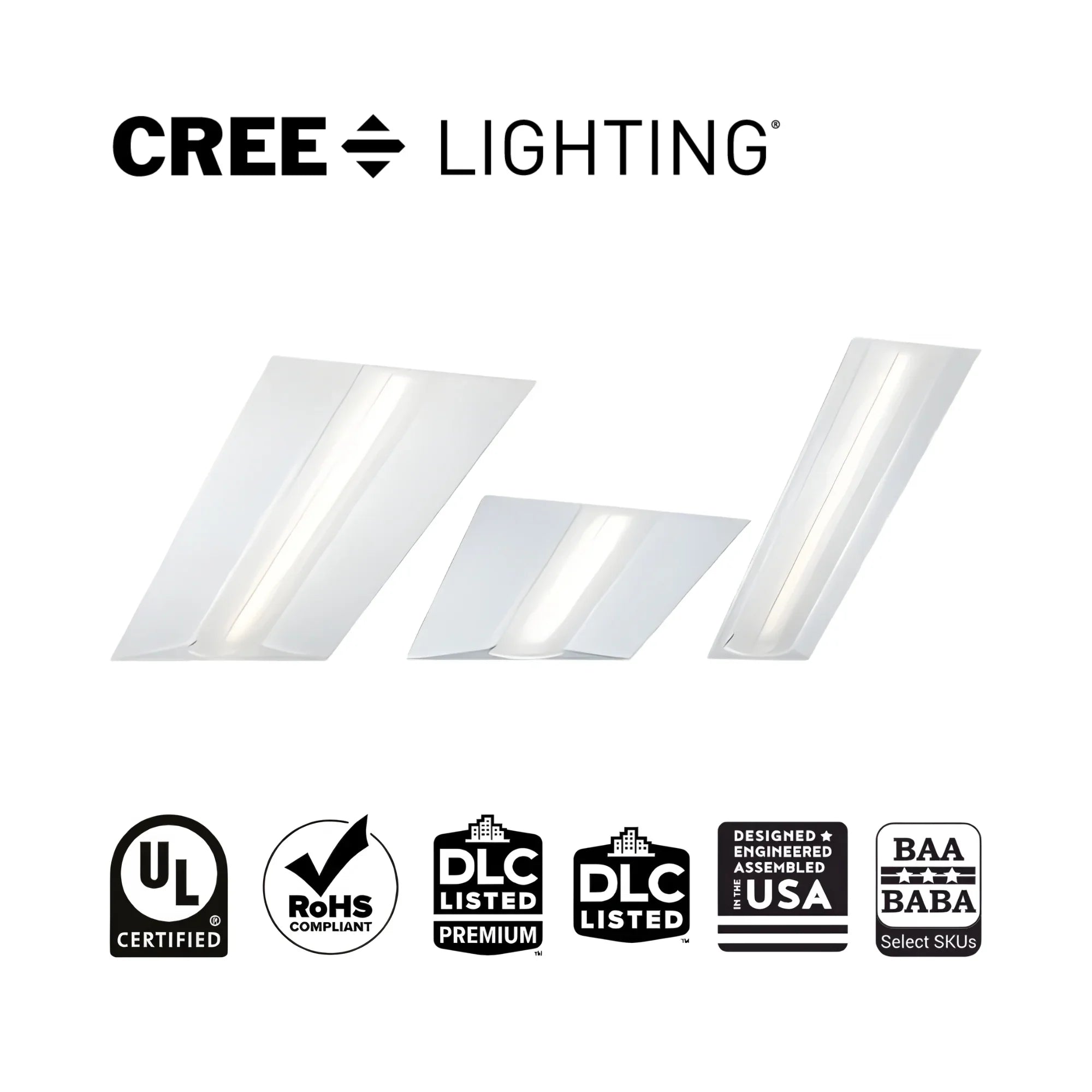
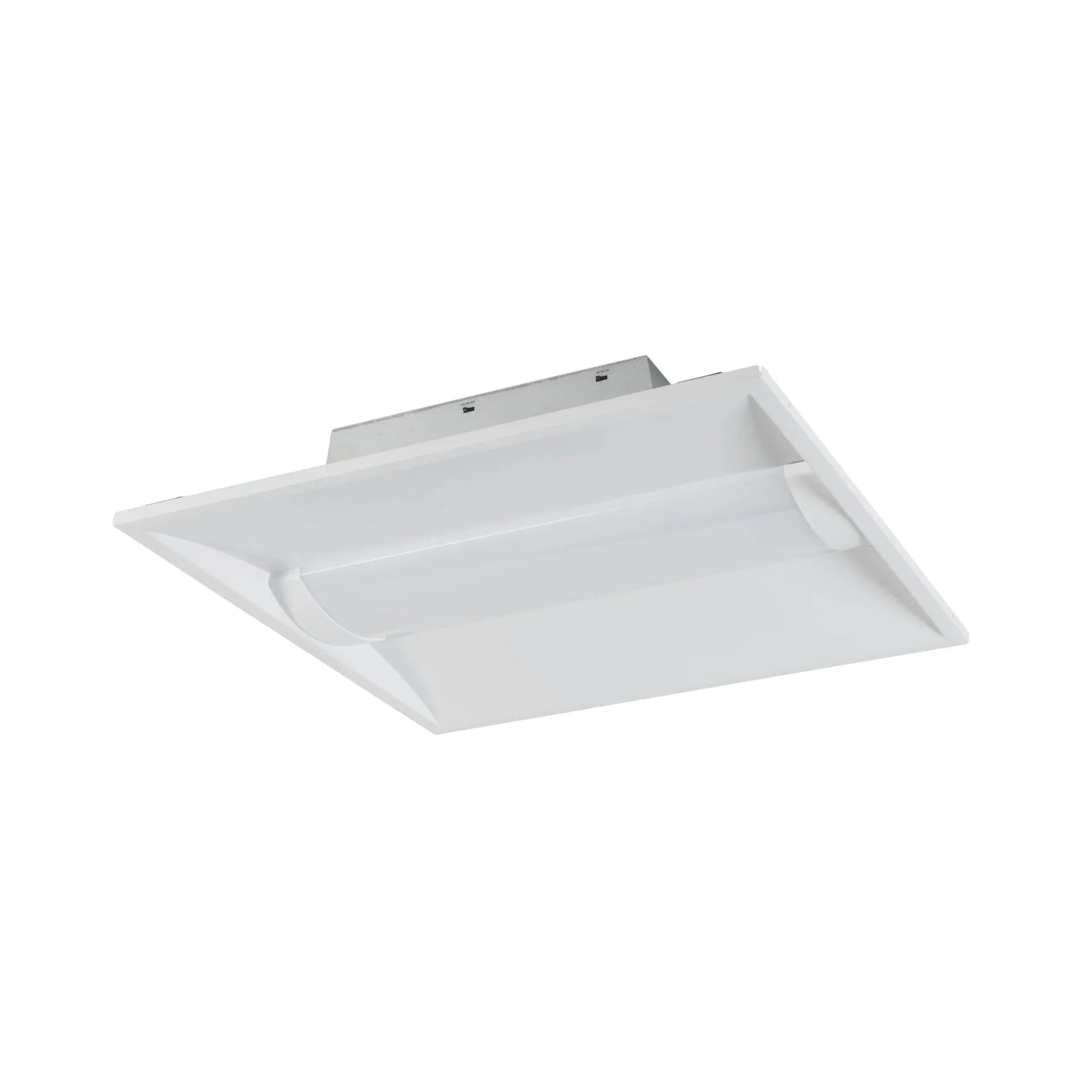
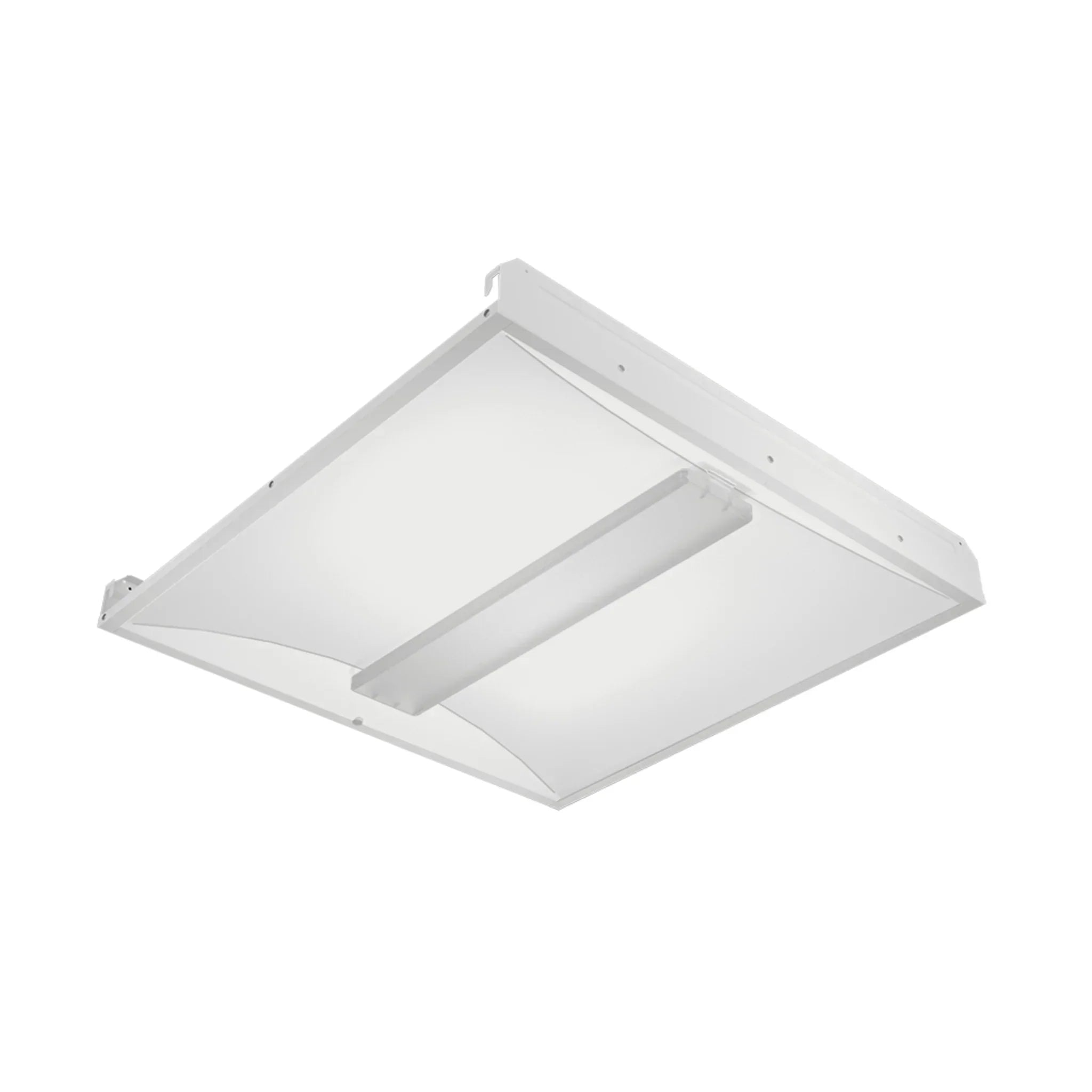
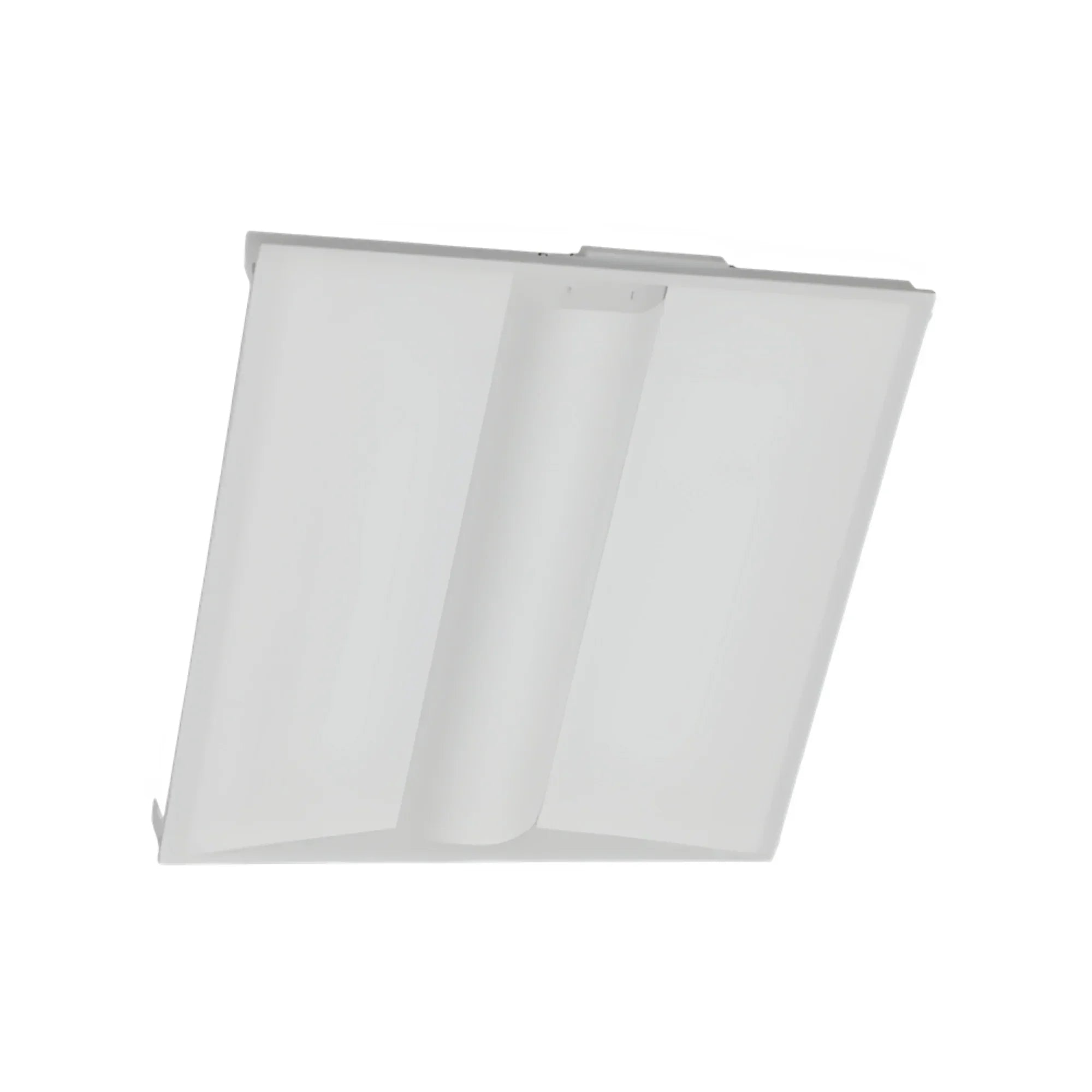
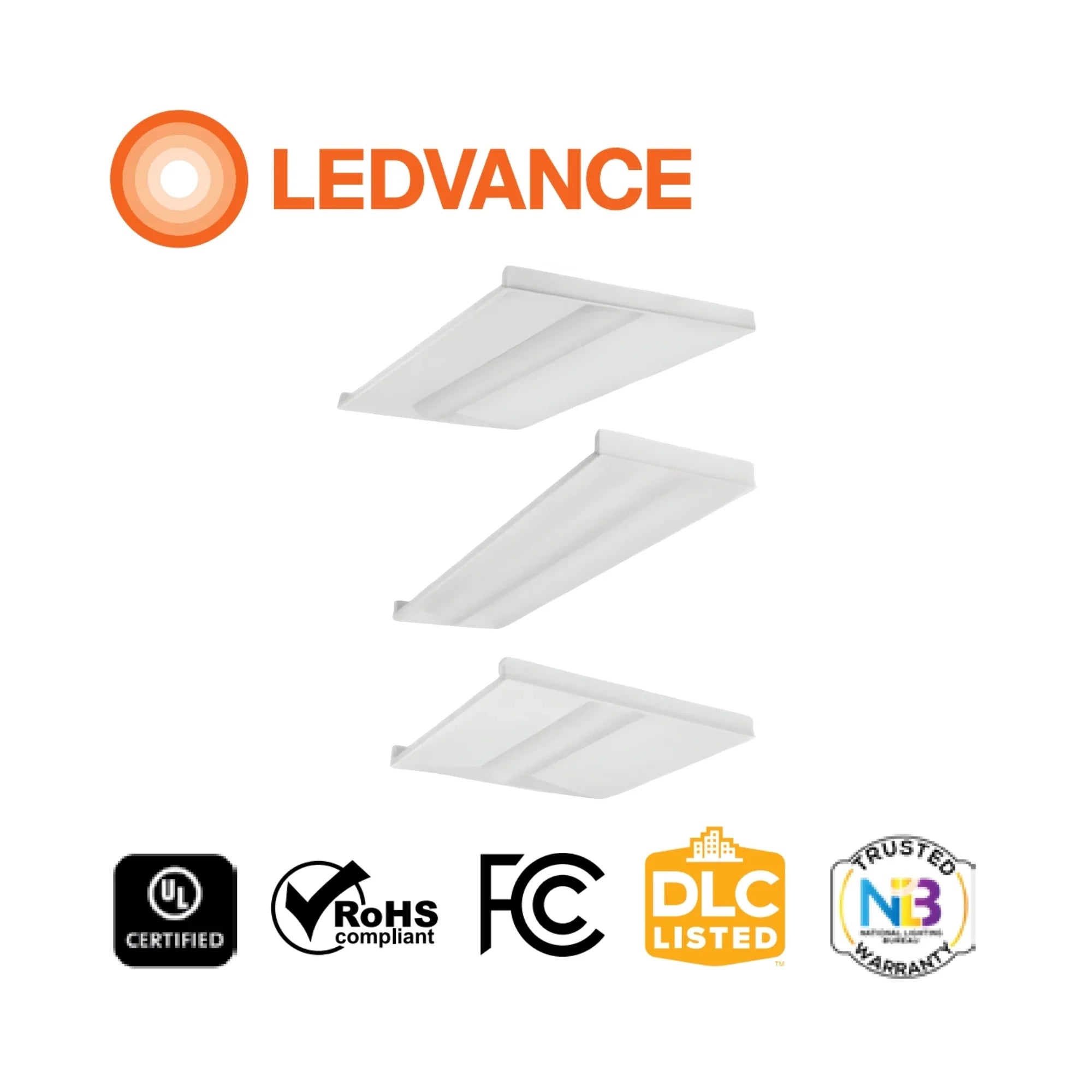
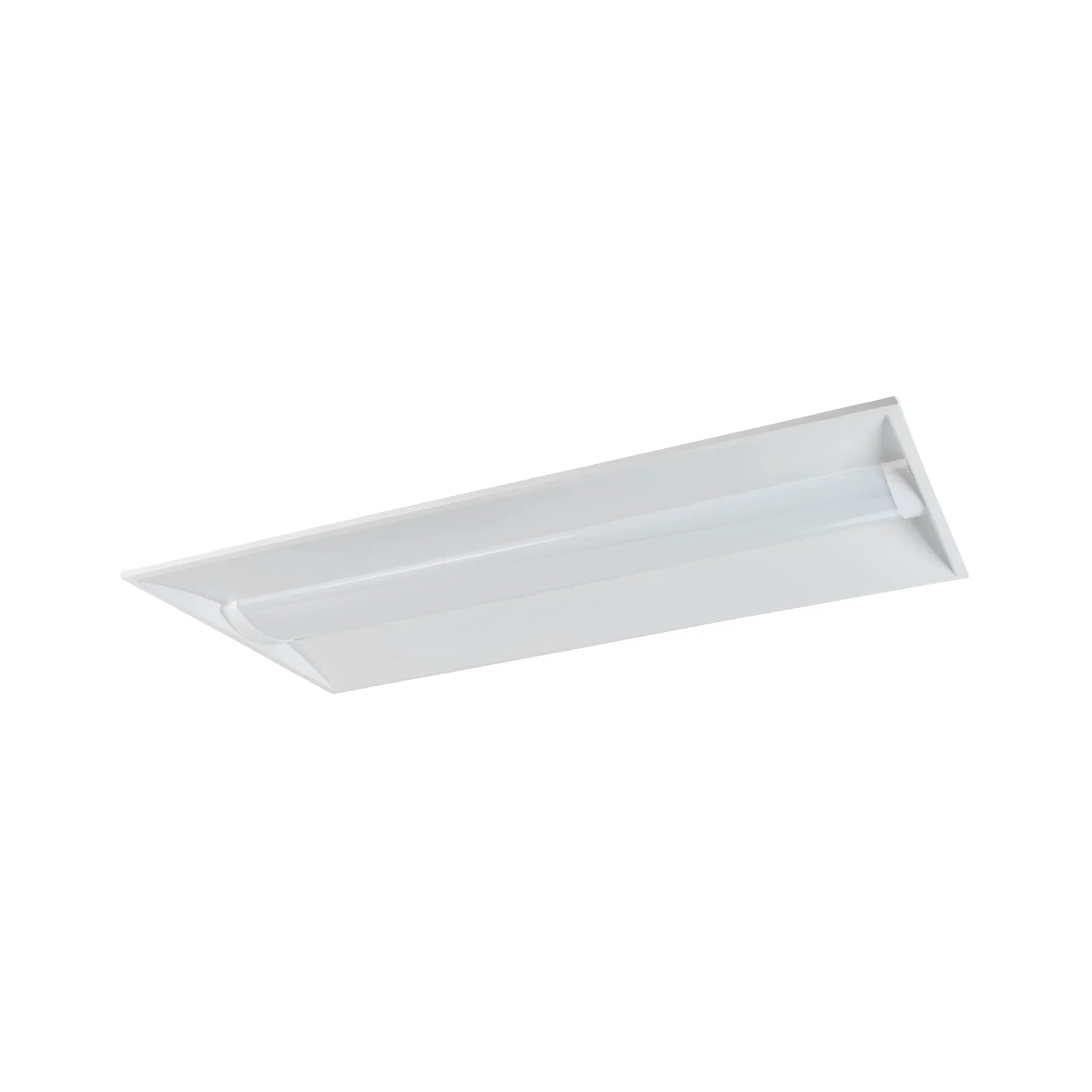
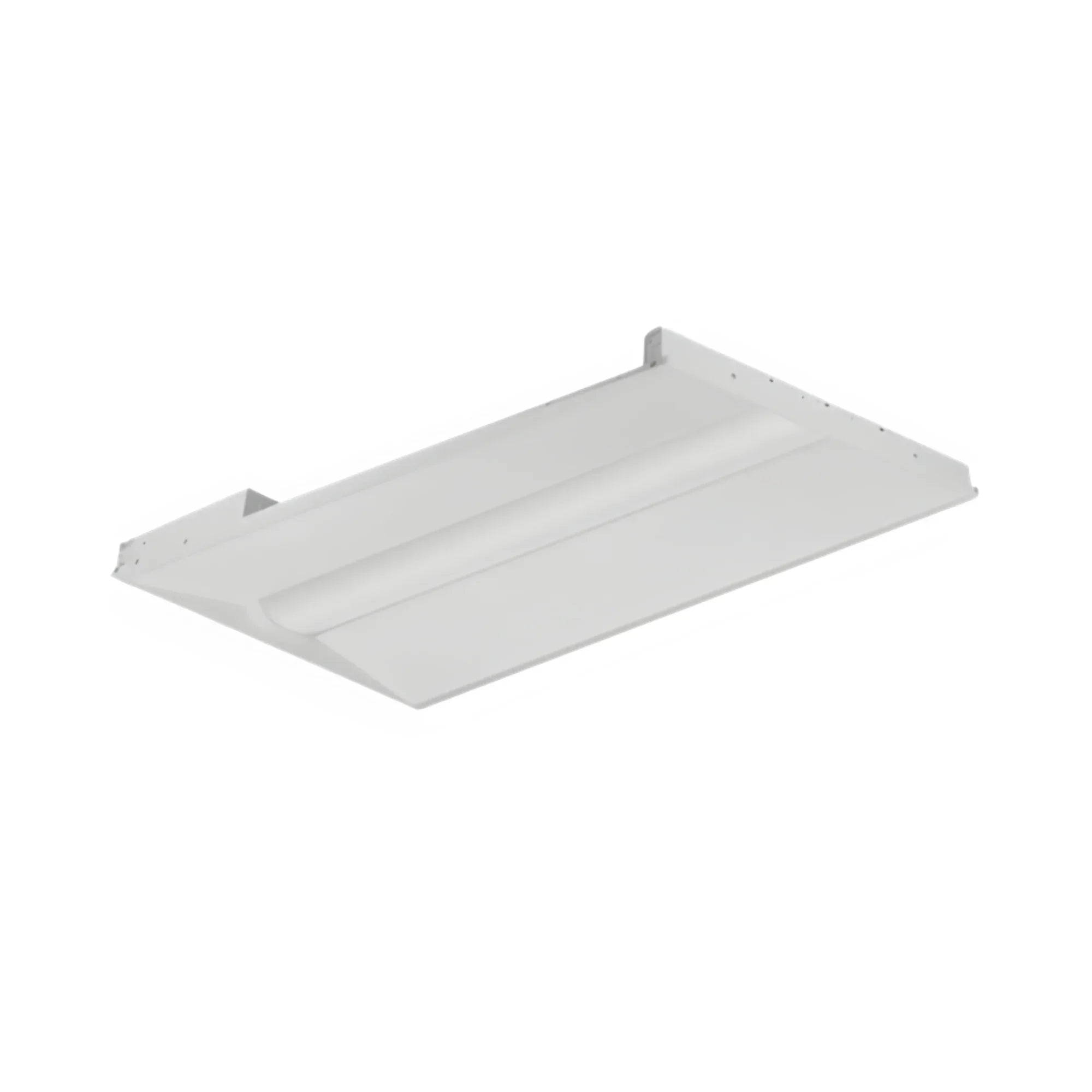
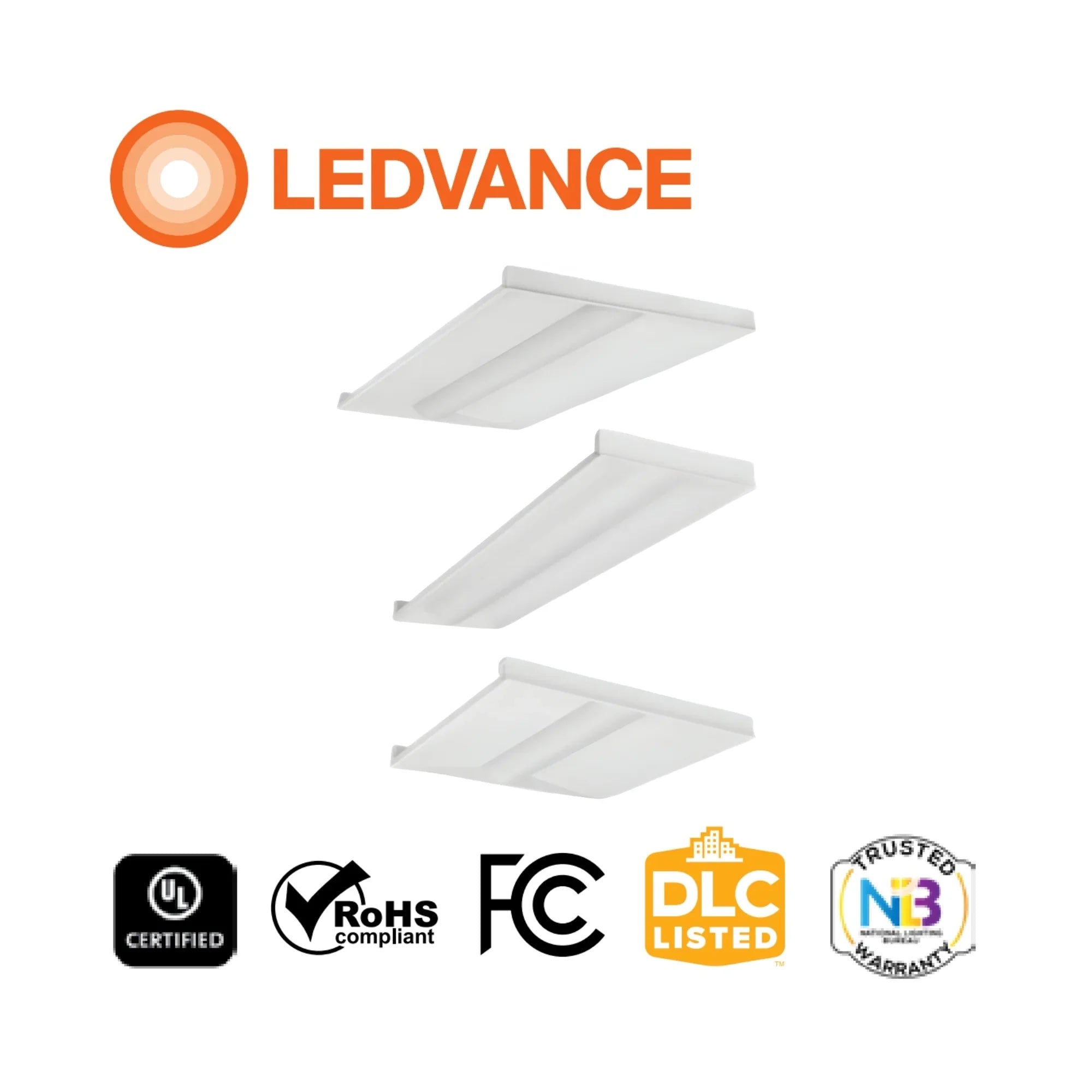
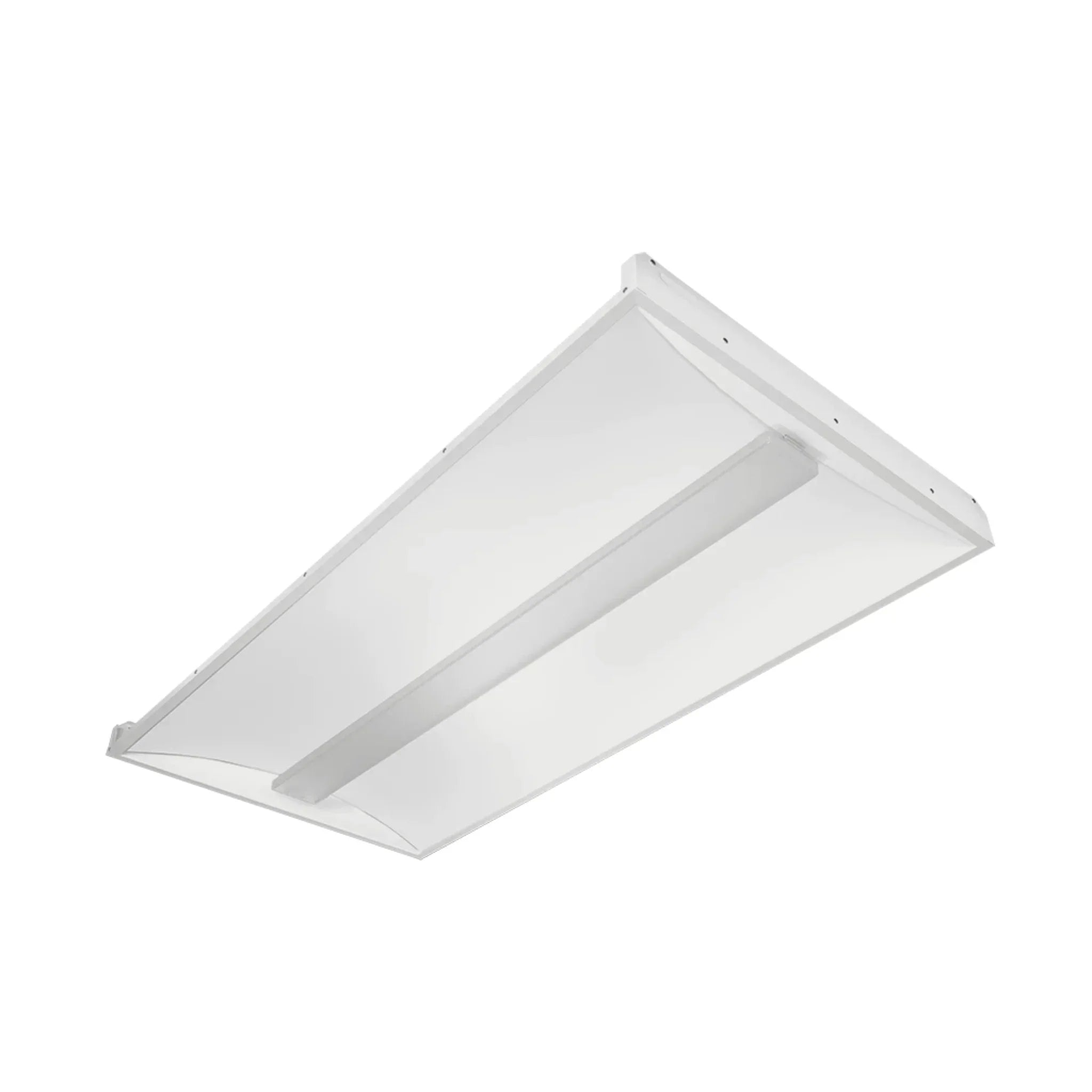
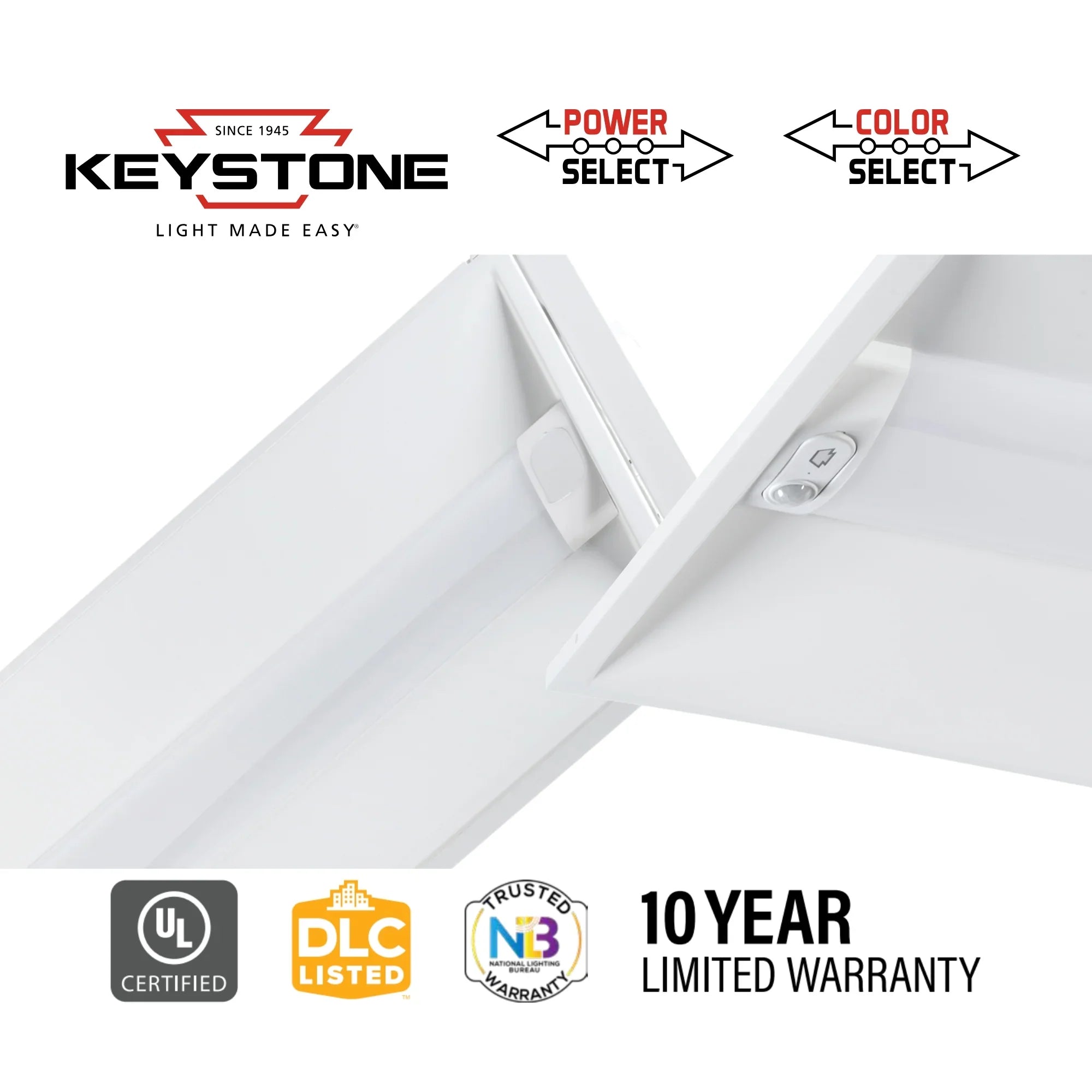
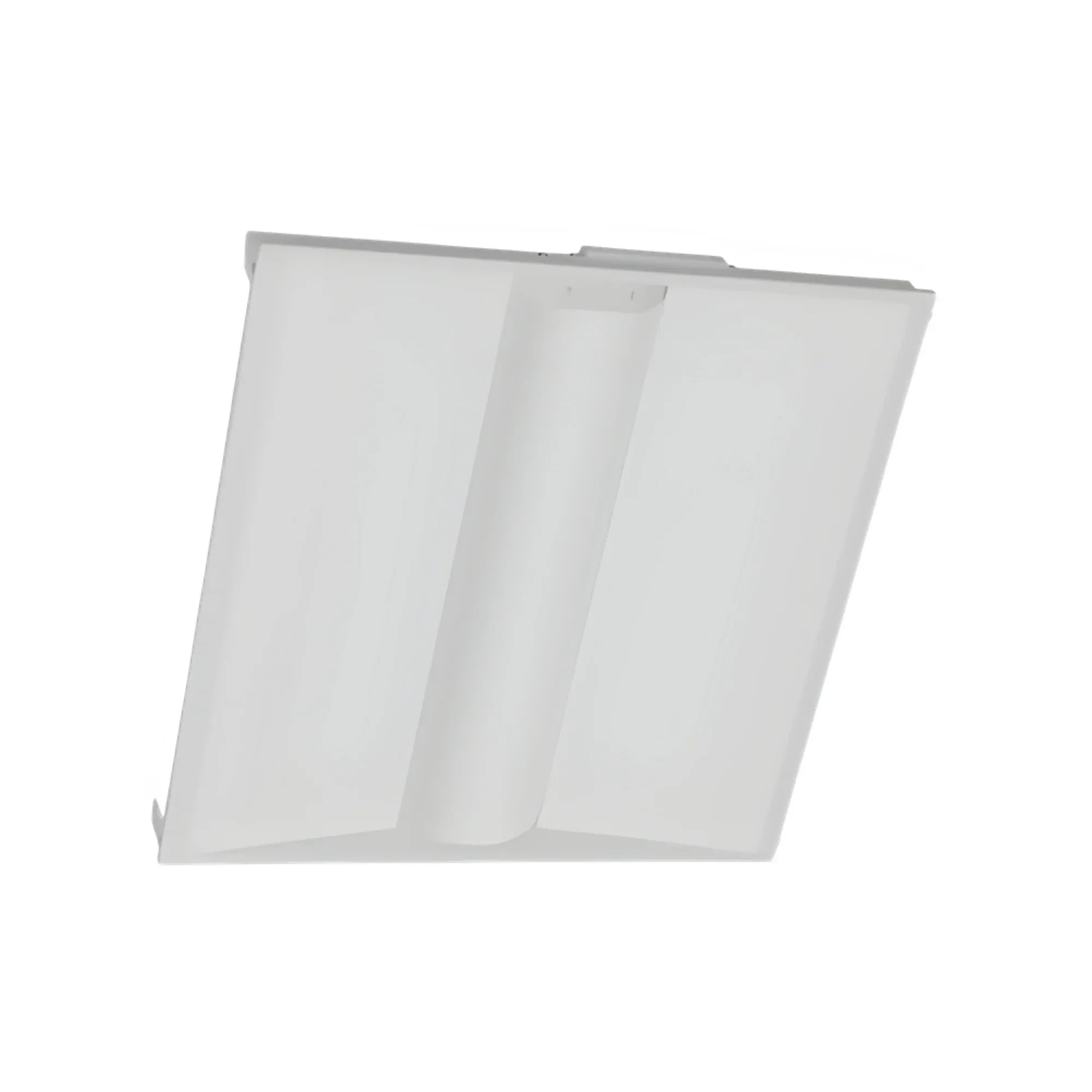
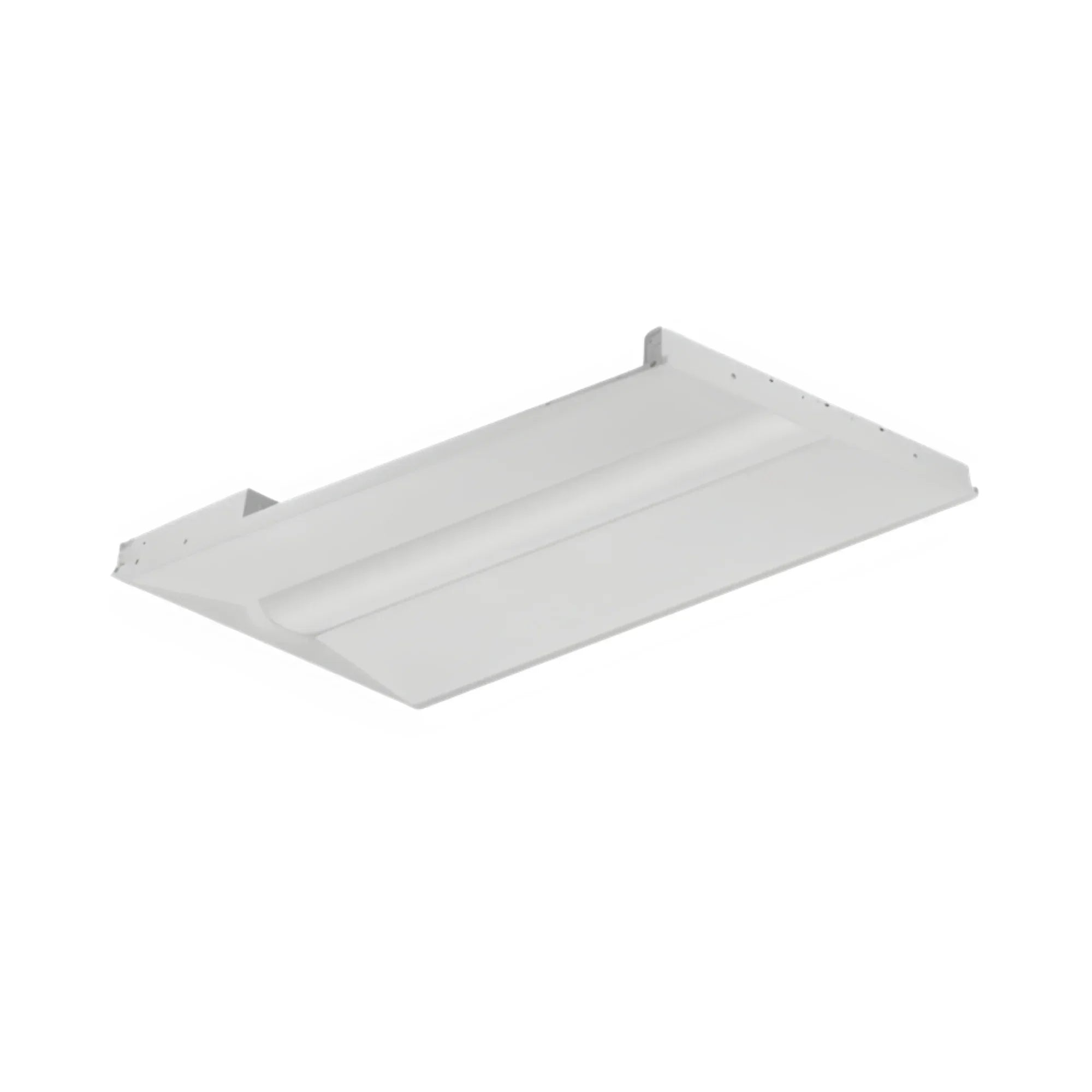
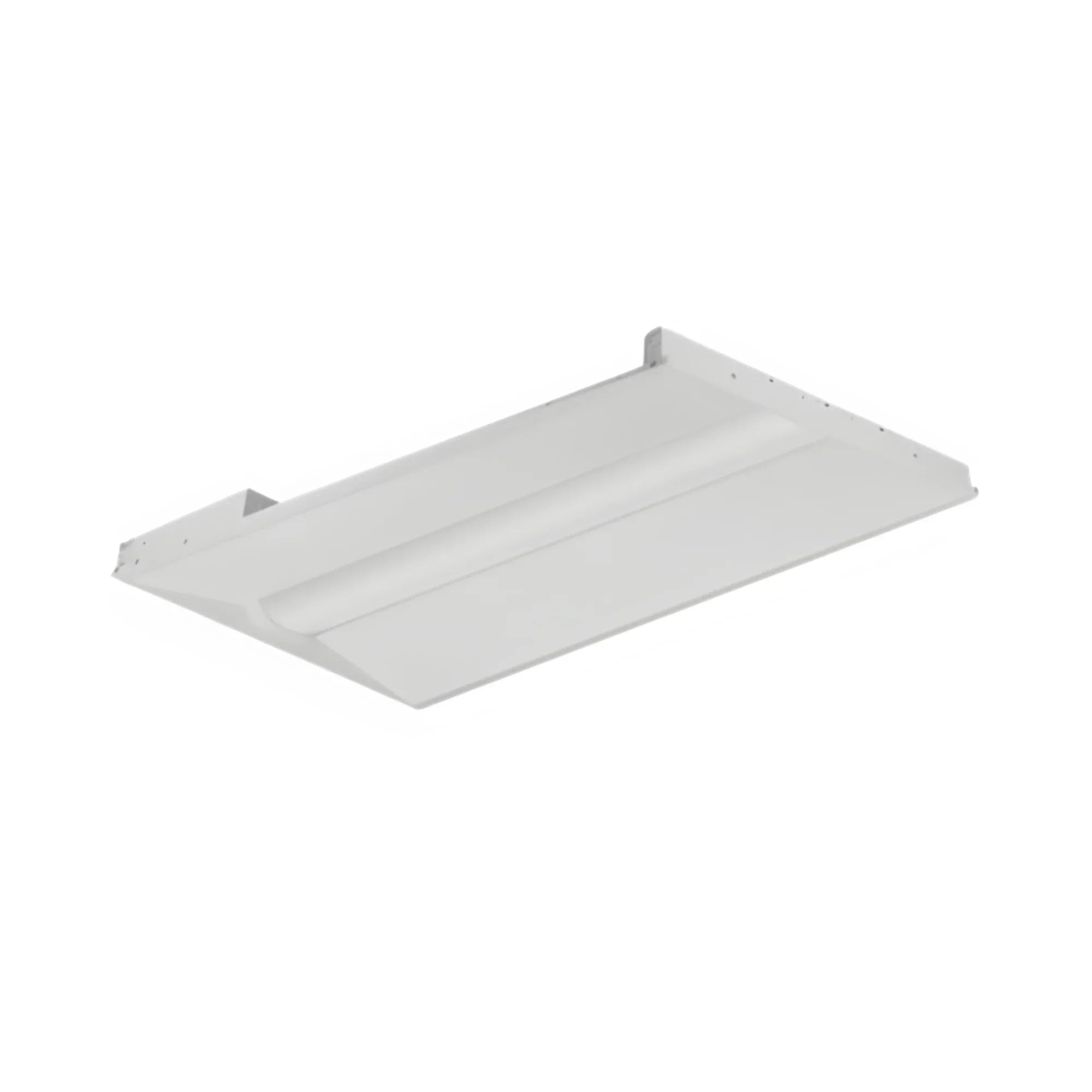
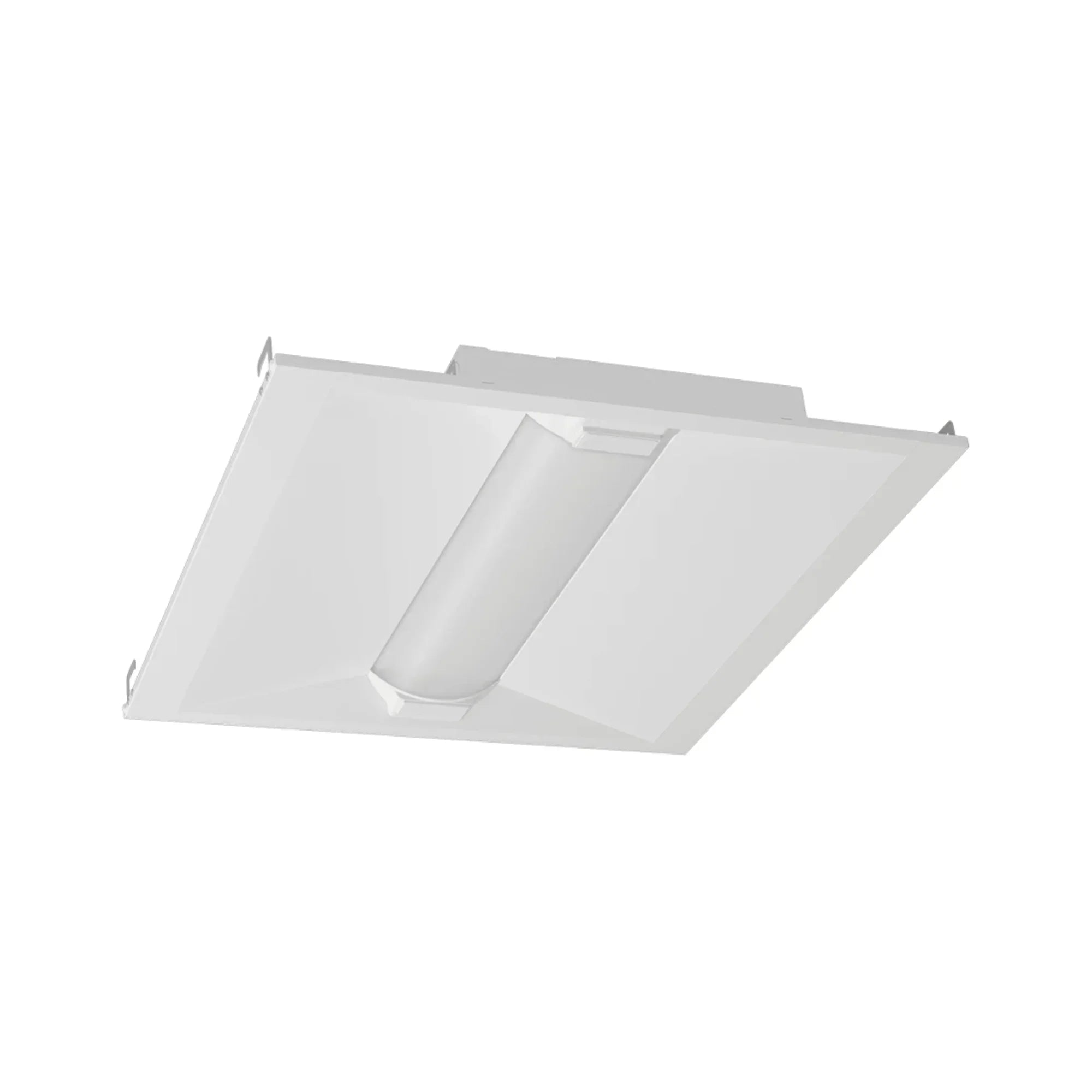
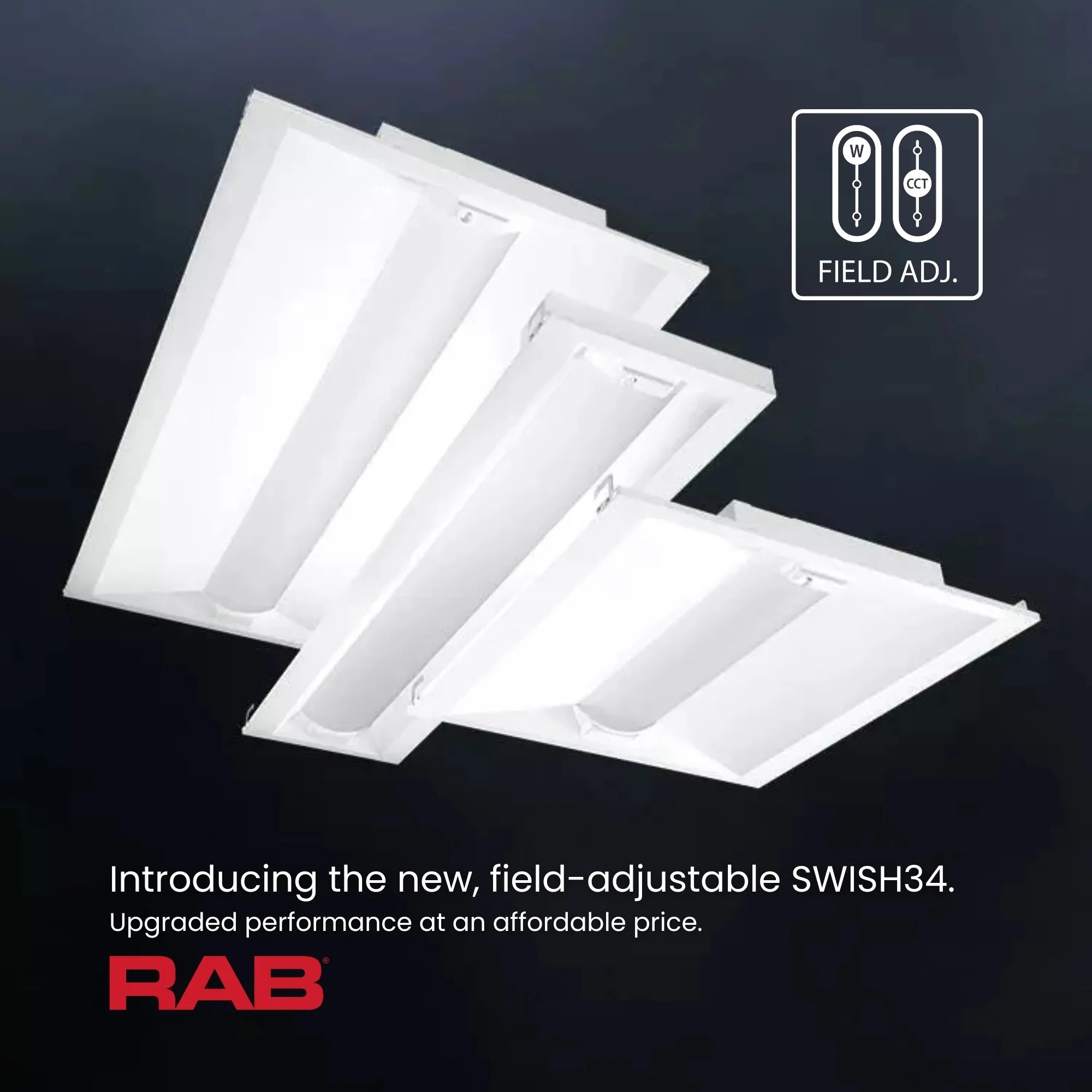
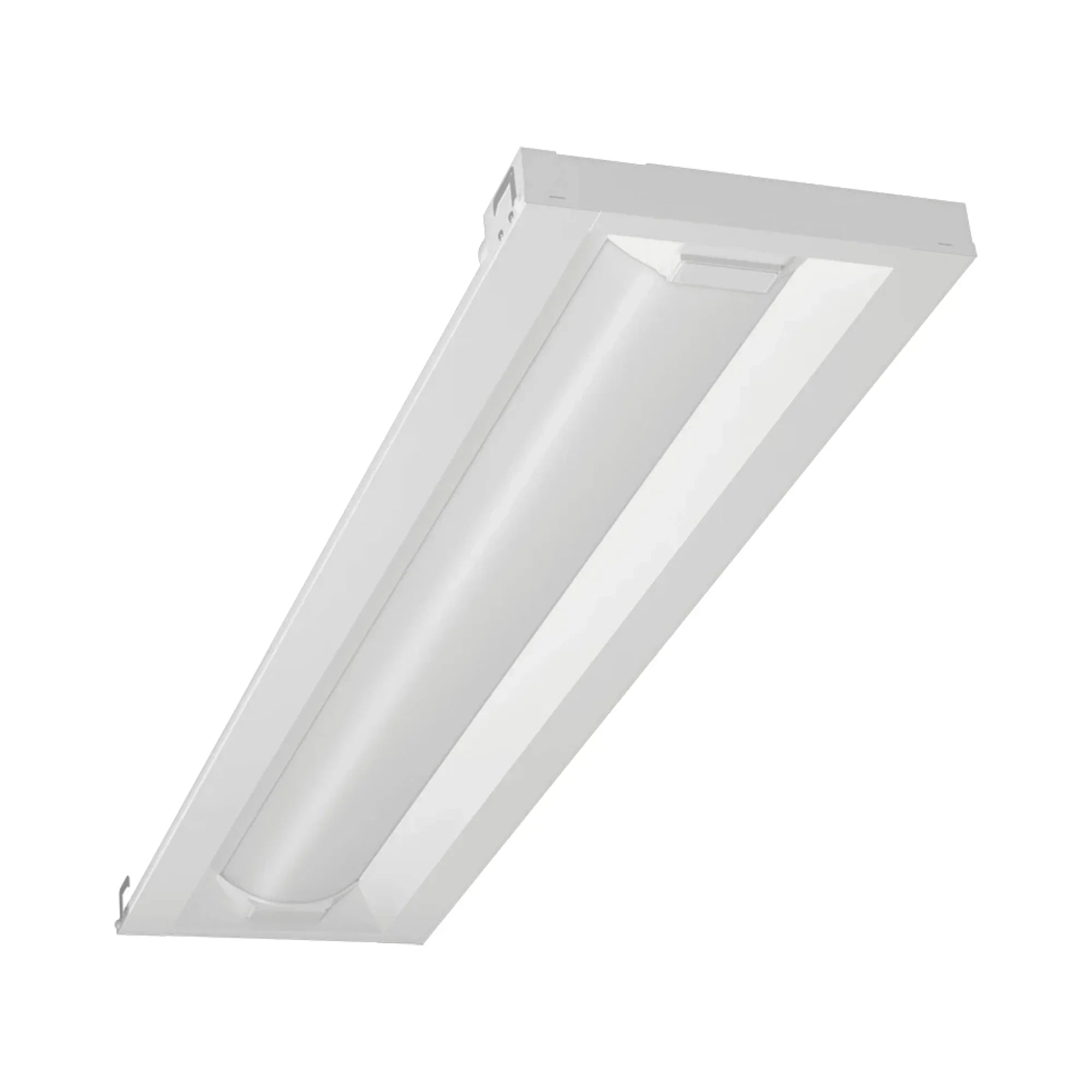
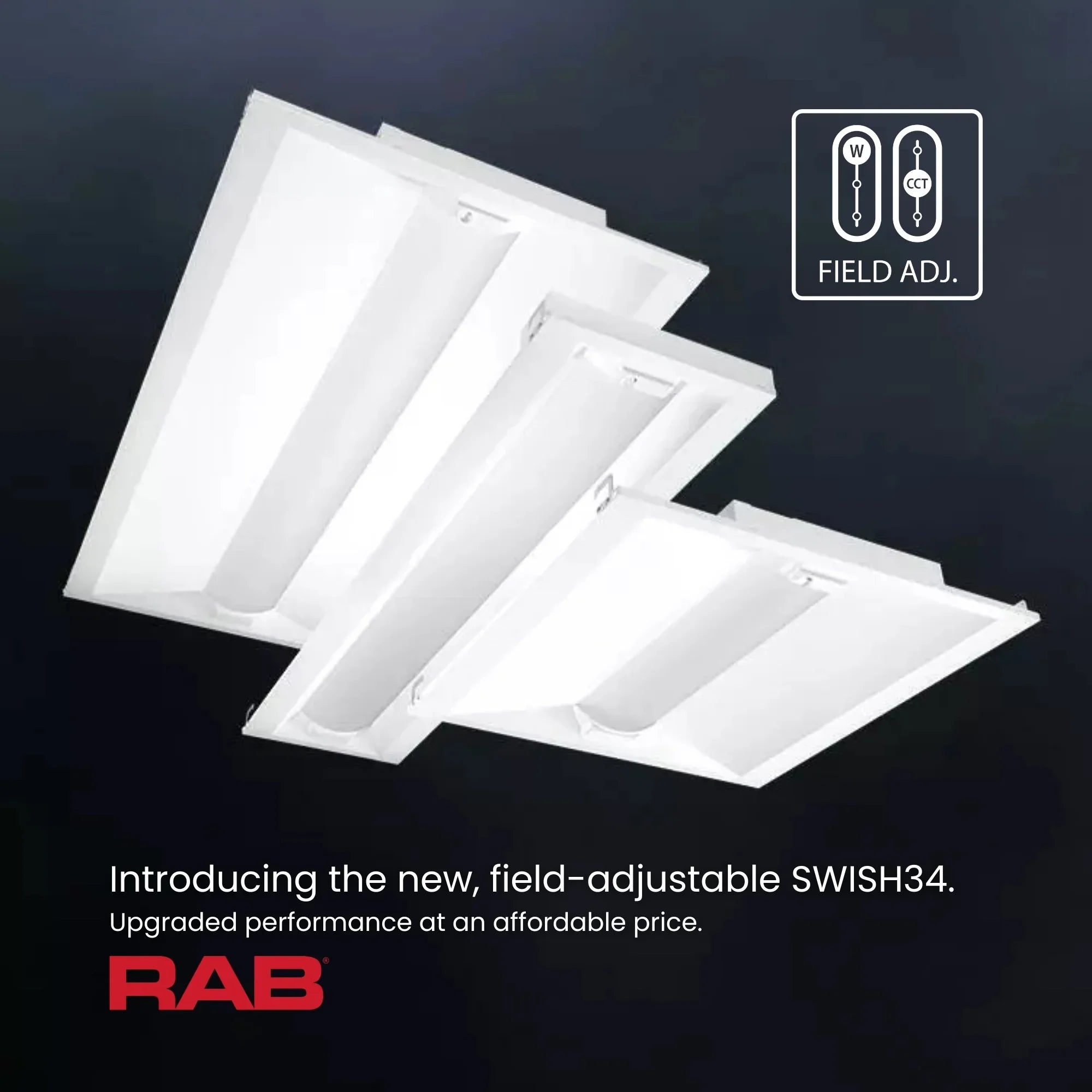
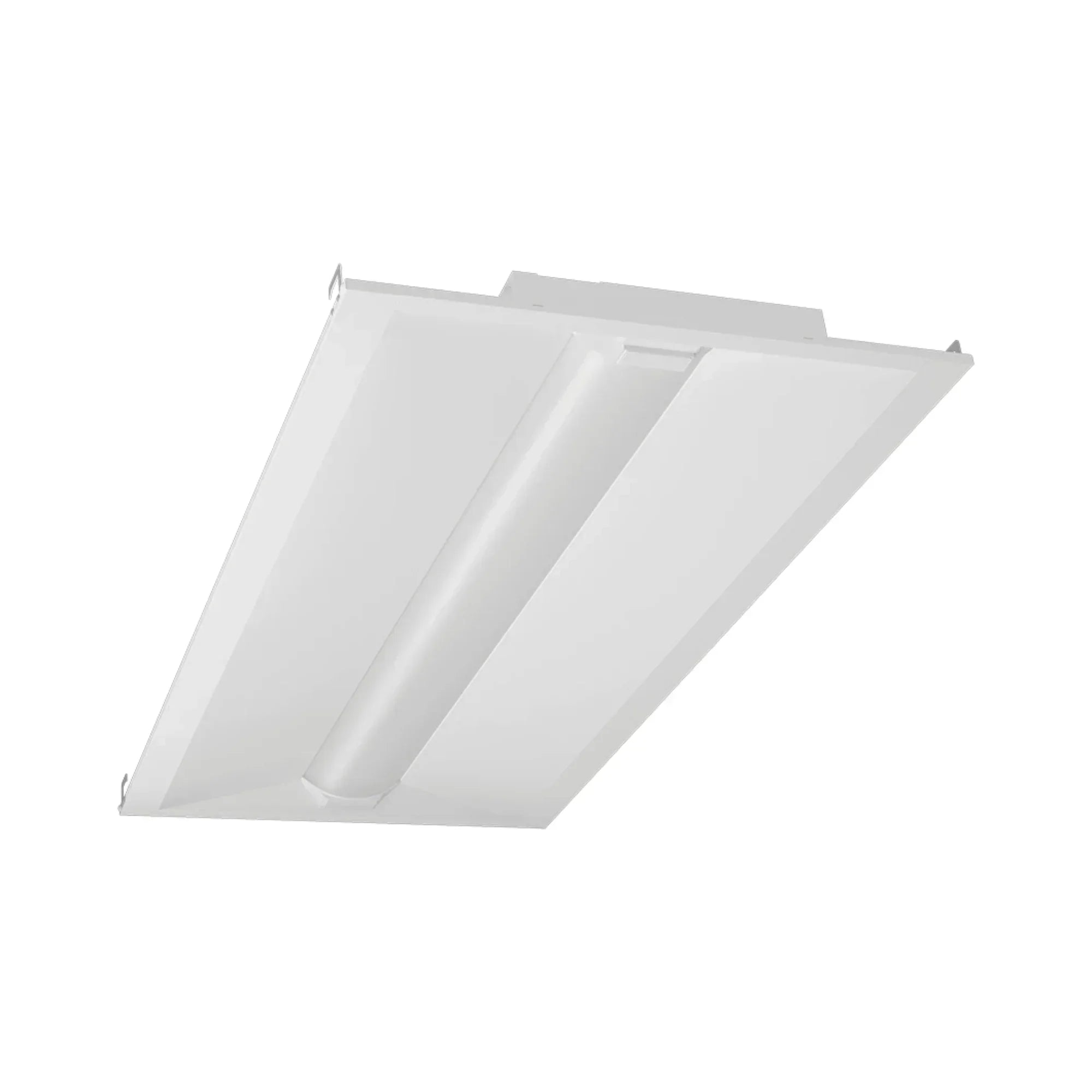
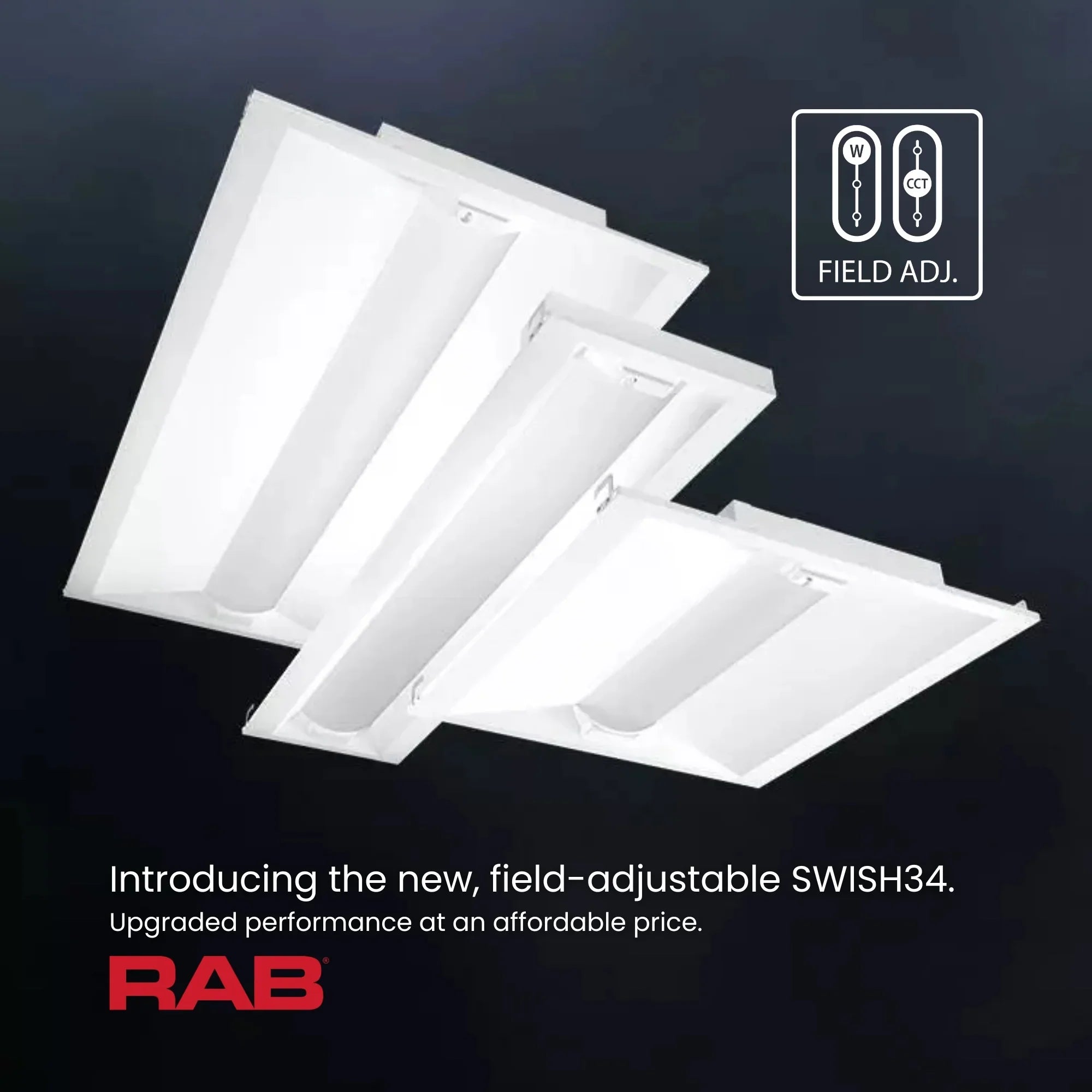
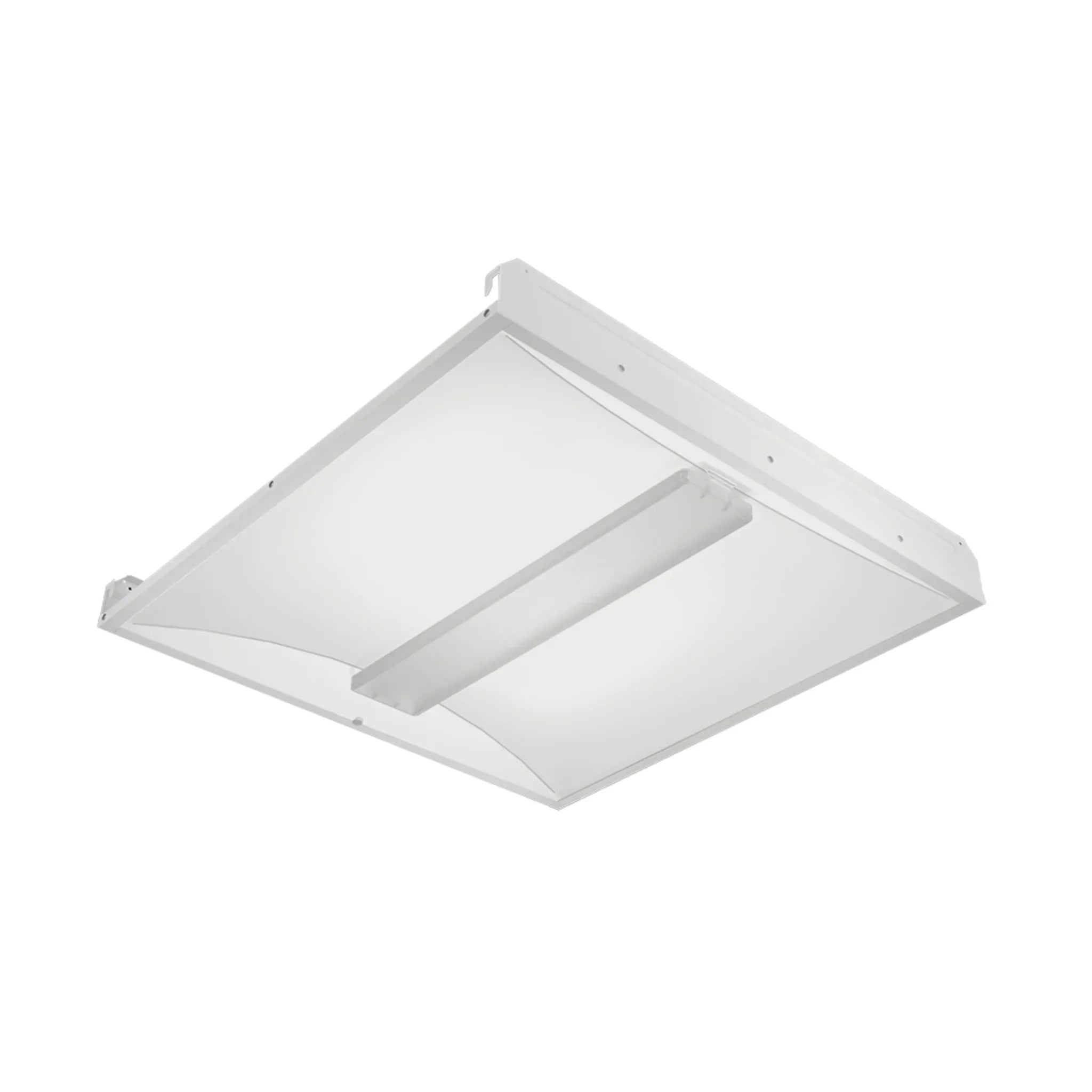
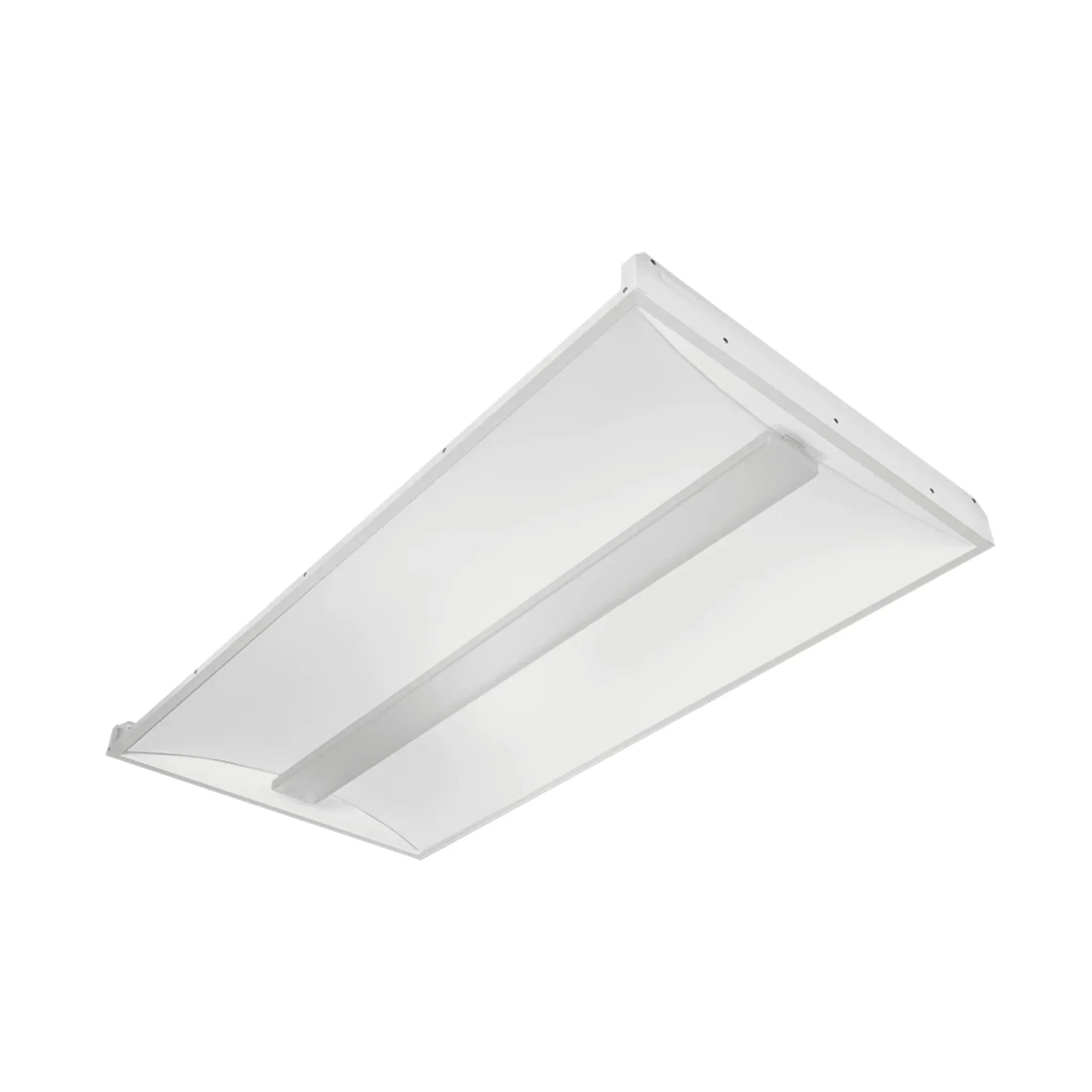
A troffer light is a rectangular or square troffer light fixture specifically engineered for recessed installation within a modular drop ceiling grid system. It's the most common light you see in offices, schools, and hospitals. Because it's designed to fit seamlessly in place of standard 2x2 or 2x4 foot ceiling tiles, this type of recessed troffer provides a clean, flush-mount look.
Historically, these fixtures housed traditional fluorescent tubes, but today's standard is the highly efficient integrated LED troffer. The troffer is the workhorse for providing general ambient lighting in countless commercial applications.
Why Upgrade to an LED Troffer?
LED troffer lights have become the standard, replacing older fluorescent models for several key reasons:
- Energy Efficiency: They drastically reduce electricity consumption, leading to lower operating costs.
- Long Lifespan: An LED troffer lasts for years, eliminating the hassle and expense of frequently replacing fluorescent tubes.
- Superior Light Quality: They provide bright, even, and instant-on illumination without the flicker associated with fluorescent lights.
- Seamless Integration: Designed specifically for recessed mounting in grid ceiling systems.
Fixture vs. Retrofit Kit: Choosing Your Troffer Solution
- LED Troffer Fixtures: These are complete, new light fixtures that include the housing, LED source, driver, and lens. A full LED troffer fixture is ideal for new construction or when replacing entire old or damaged fixtures.
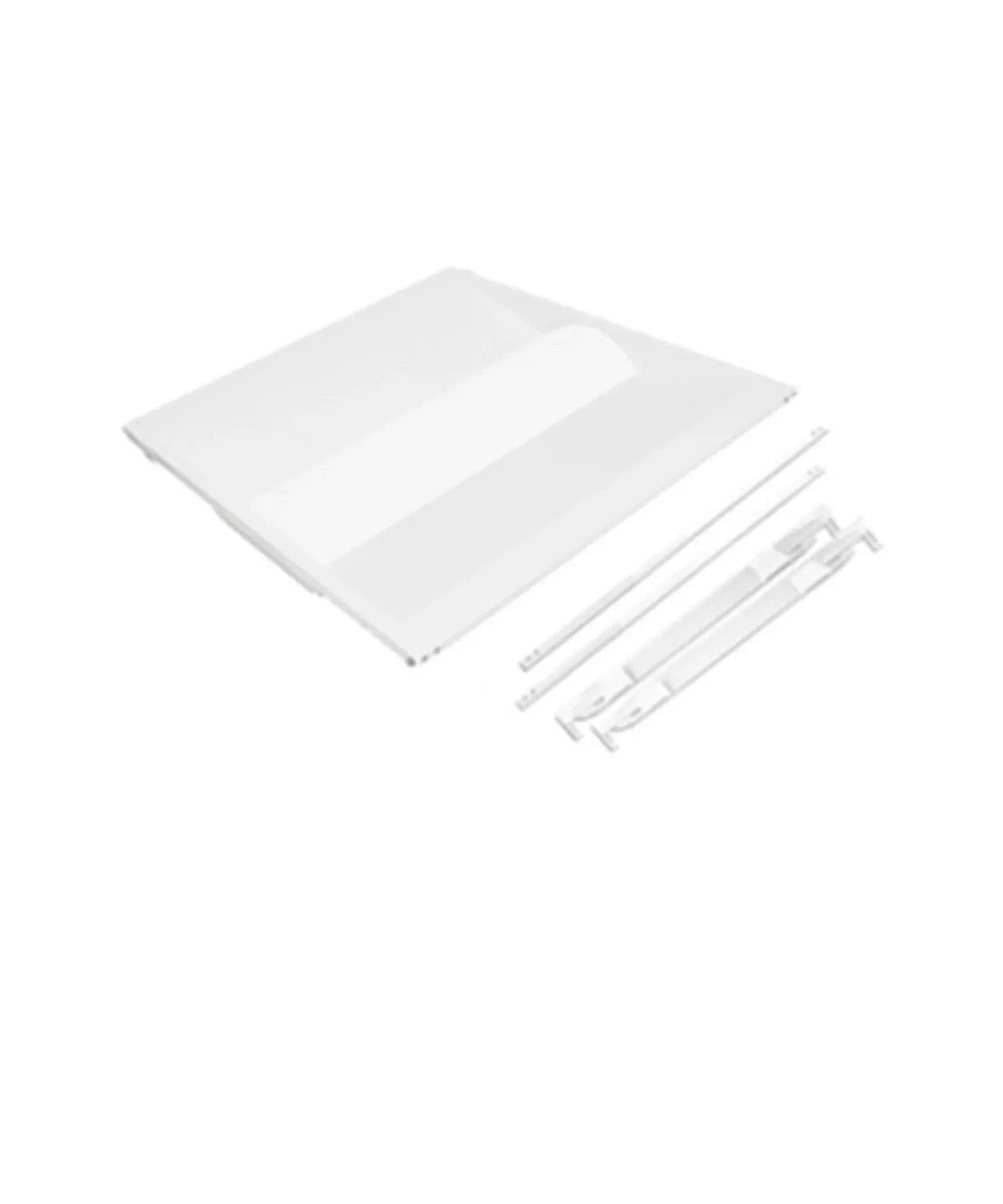
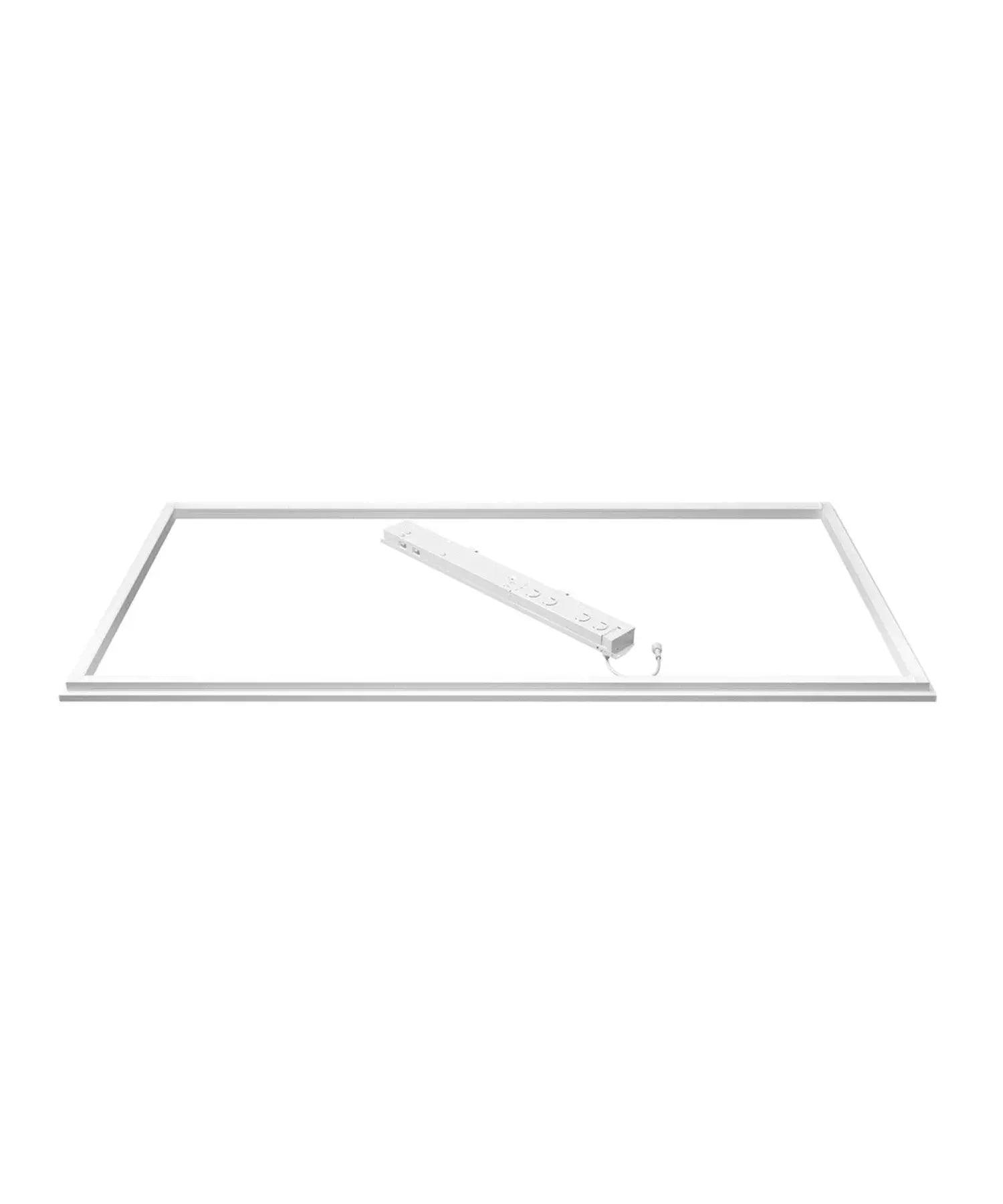
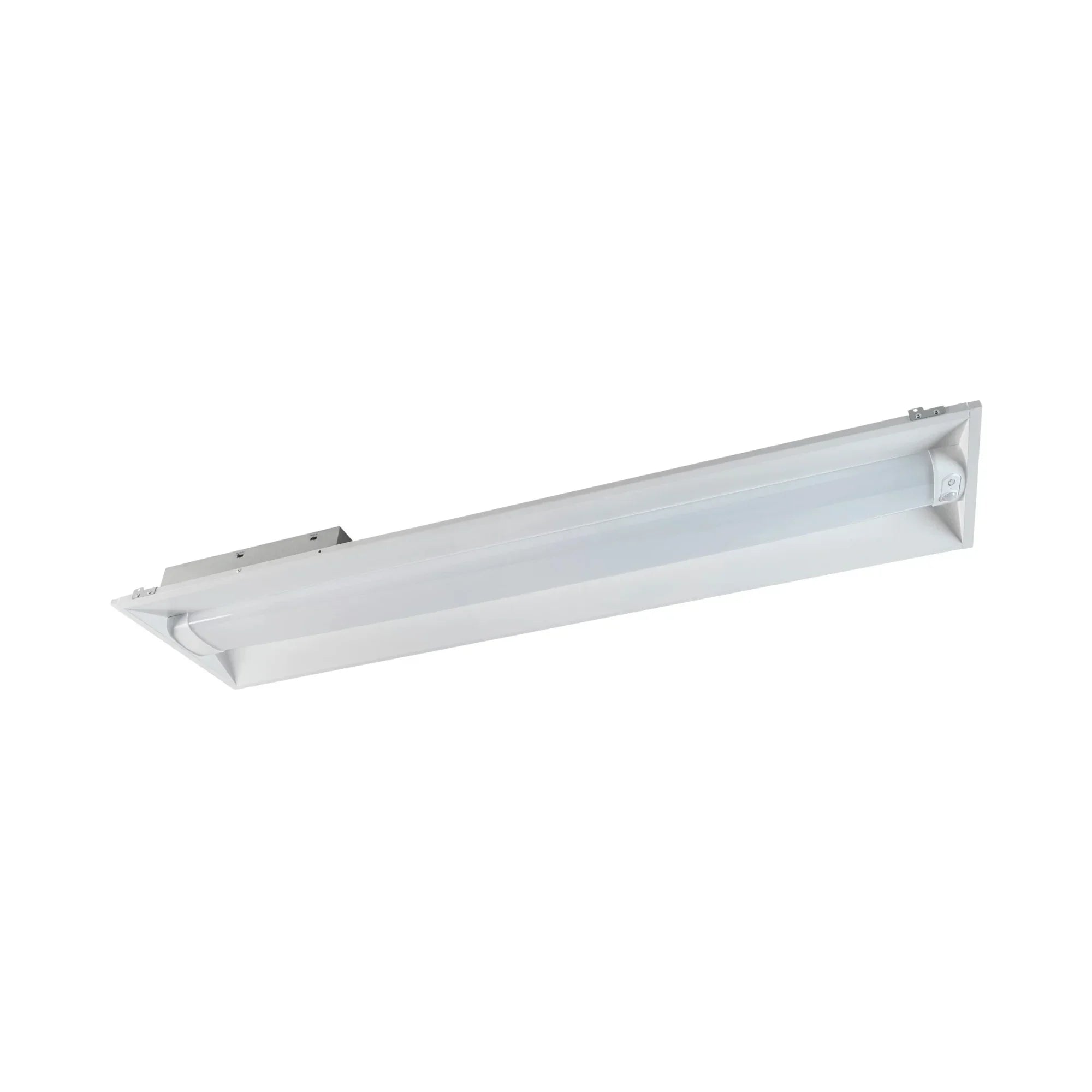
- LED Troffer Retrofit Kits: These kits are designed to upgrade existing traditional fluorescent troffer housings to LED technology without removing the entire fixture body. This is a great solution for cost-effectively upgrading compatible troffers in good condition.
Selecting the Right LED Troffer Option
Whether you choose a full fixture or a retrofit kit, consider these factors:
- Size: Standard sizes like 2x2 and 2x4 must match your grid ceiling openings.
- Lumens & Wattage: Determine the required brightness and corresponding energy usage.
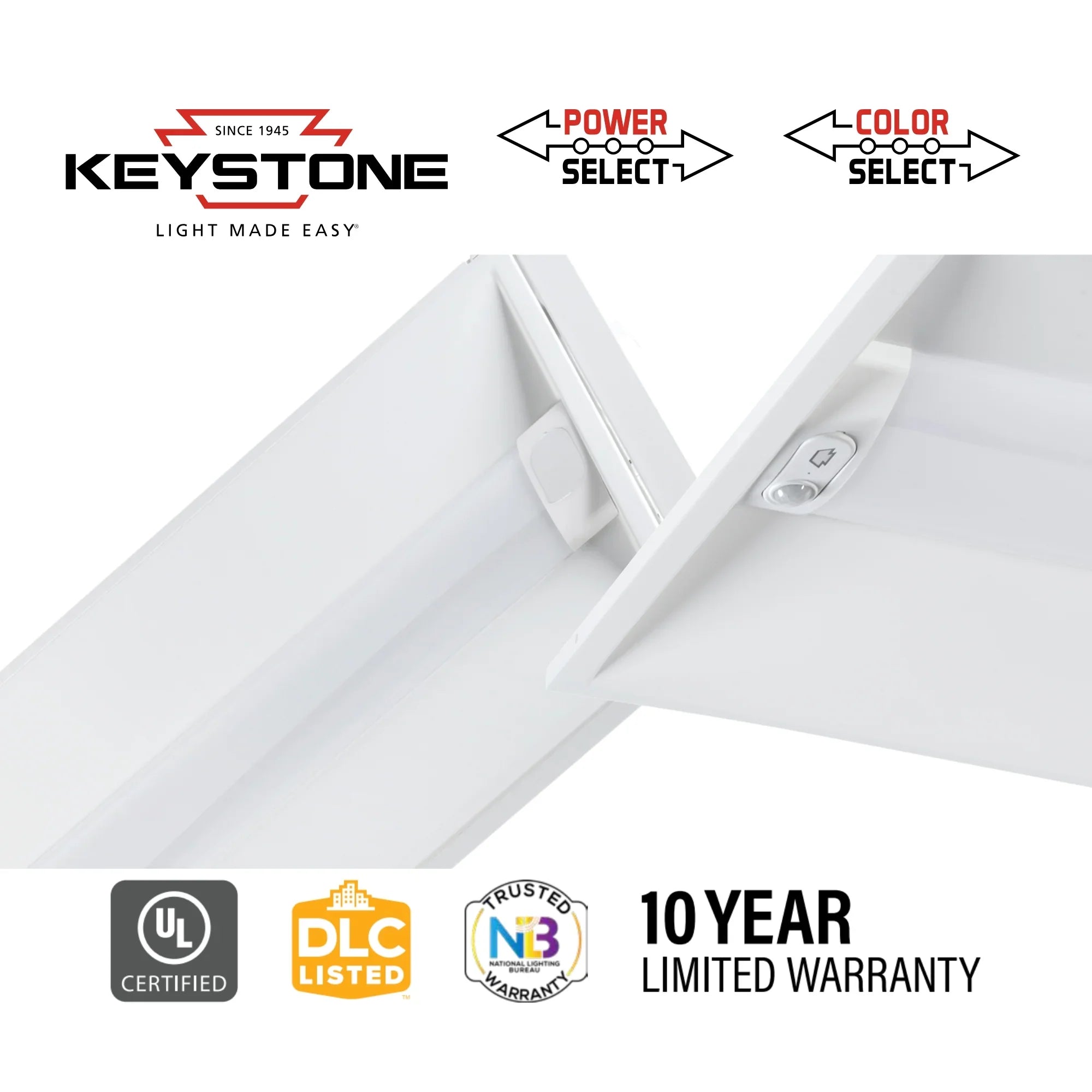
- Color Temperature (CCT): Choose from fixed temperatures (e.g., 3000K, 3500K, 4000K, 5000K) or look for fixtures with selectable color temperature for field-adjustable options.
-
Style and Lens Type: The design affects both appearance and light distribution:
- Prismatic Lens: A common, cost-effective choice that diffuses light evenly.
- Flat Panel / Flat Lens: Offers a clean, modern aesthetic.
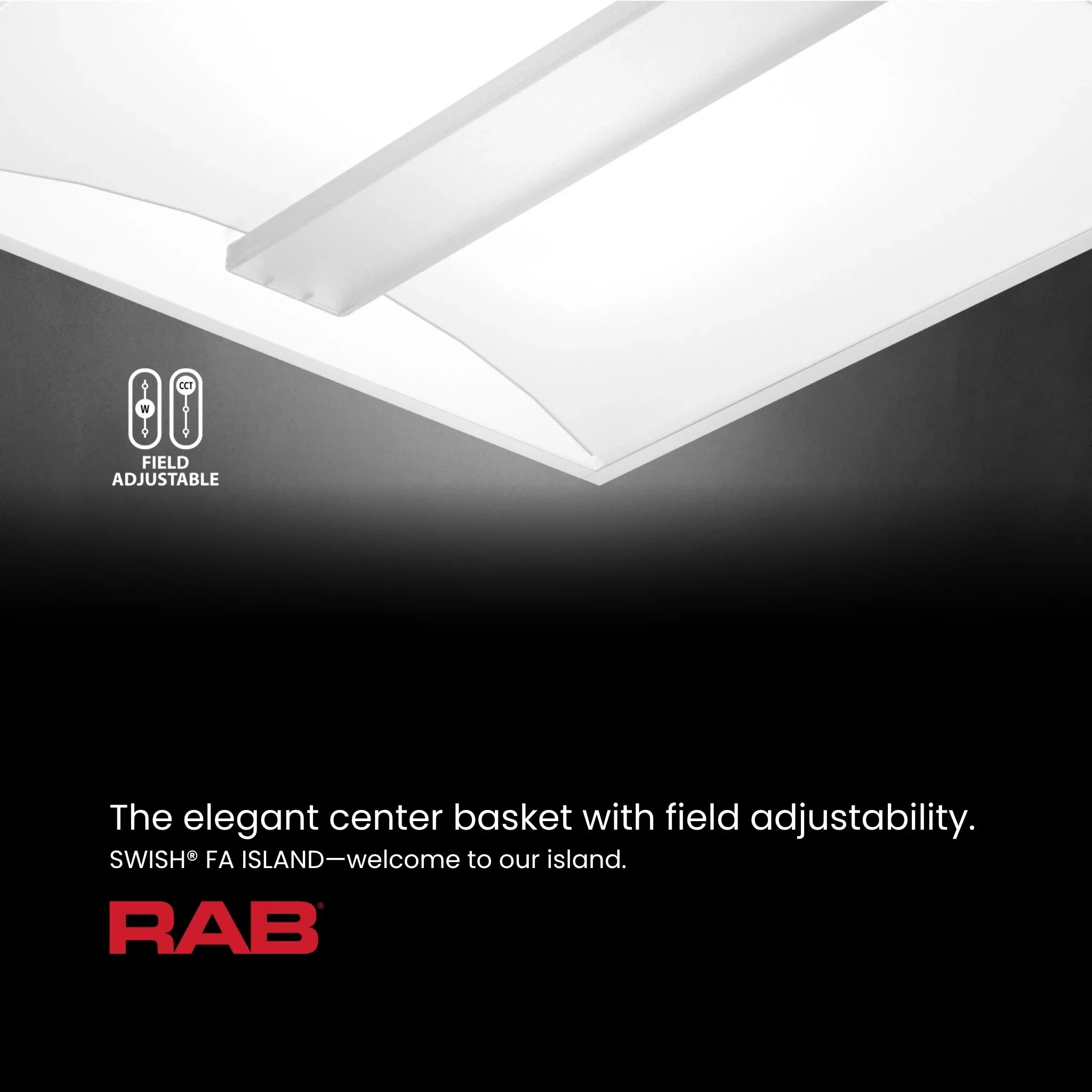
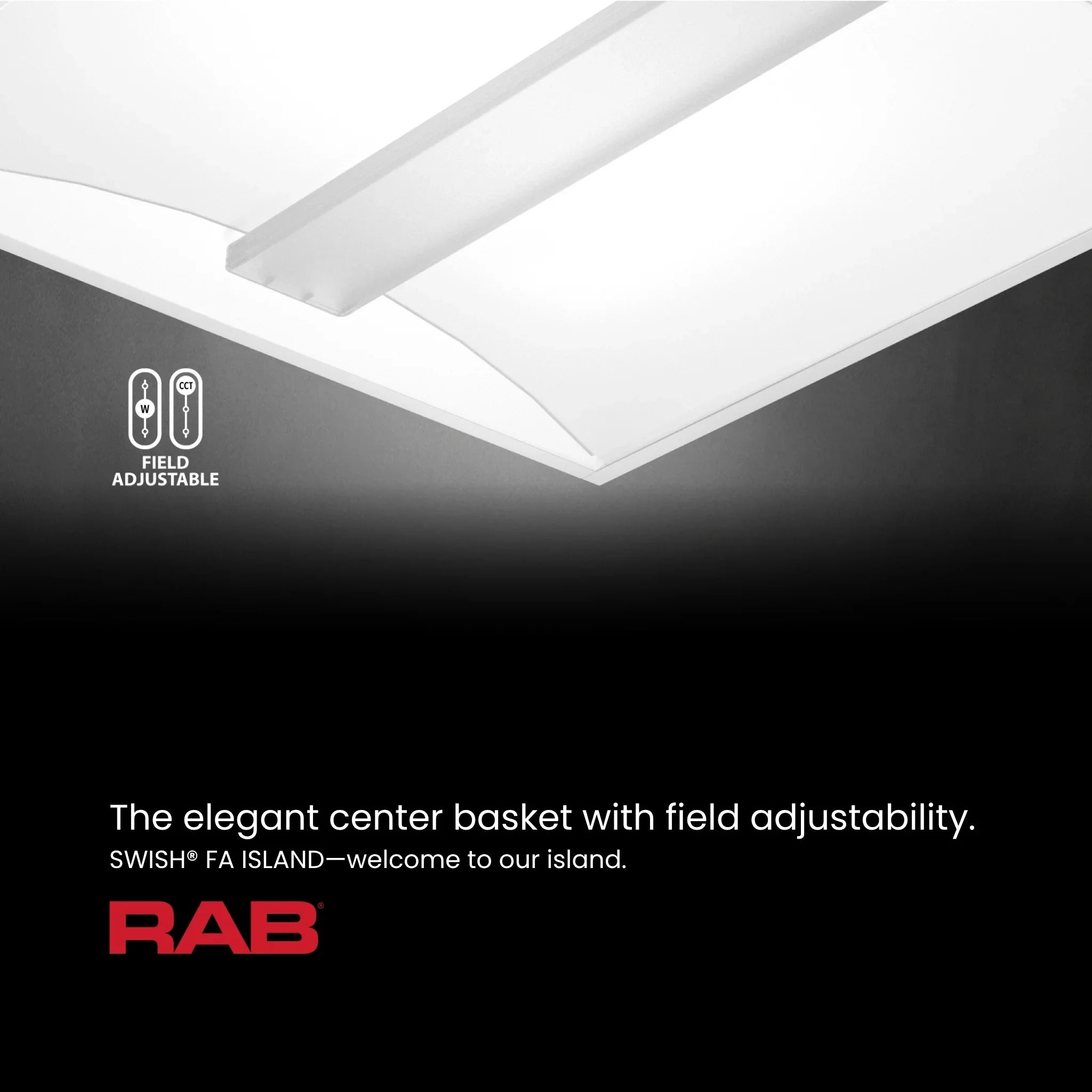
- Center Basket: Provides soft, indirect illumination to minimize glare.
- Parabolic / Louvered: Features angled, mirror-like blades (louvers) to precisely control light output and significantly reduce glare.
- Architectural Troffers: These often feature unique designs, higher-end materials, or specialized light distribution options.
- Features: Look for options like dimming capabilities (0-10V), emergency battery backup, or tunable white technology.
Find Your Ideal Troffer Lighting Solution & Get Expert Help
Ready to upgrade? Explore Bees Lighting's extensive selection of LED troffer lights and Retrofit Kits, including prismatic, flat panel, center basket, and parabolic styles. We specialize in B2B solutions, and our experienced lighting specialists are ready to assist with product selection, lighting layouts, and volume quotes. Have questions, need help selecting the right troffer light fixture, or require a project quote? Call our expert team today at 855-303-0665 or contact us online for personalized support and advice.
Frequently Asked Questions
What are the main advantages of upgrading from fluorescent troffers to LED troffers?
What are the main advantages of upgrading from fluorescent troffers to LED troffers?
Should I buy a new LED troffer fixture or an LED retrofit kit?
Should I buy a new LED troffer fixture or an LED retrofit kit?
What's the difference between an LED troffer and an LED flat panel?
What's the difference between an LED troffer and an LED flat panel?
How do I know what size troffer (e.g., 2x2 or 2x4) I need?
How do I know what size troffer (e.g., 2x2 or 2x4) I need?
What is the difference between a parabolic and a center basket troffer?
What is the difference between a parabolic and a center basket troffer?