

Skip to content

Free Shipping over $99! (excludes 48"+)

Cart

Collection: Emergency LED Tube Lights

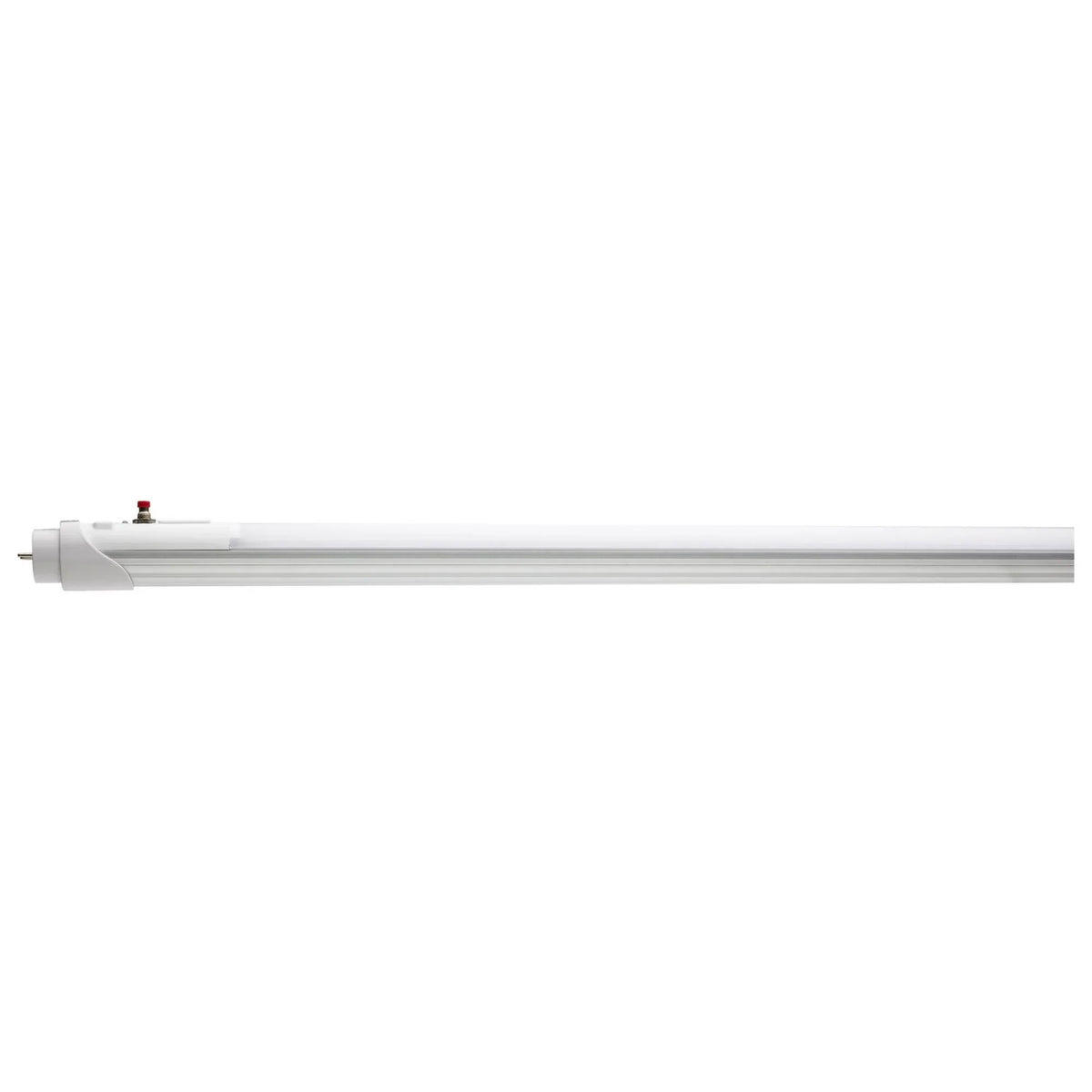
Emergency LED tube lights combine everyday linear illumination with integrated battery backup for power outages. T8 and T10 formats support commercial lighting applications, with emergency operation providing reduced light output when normal power fails.

Compare (0/5)

5 products

RAB T10EM Battery Backup Linear Tube - Bees Lighting
Quick Ship

RAB Lighting

4ft Battery Backup LED T10 Tube, 17 Watts, 2100 Lumens, 5000K, Ballast Bypass, Single End

Regular price
Sale price $71.50 Regular price $78.00
RAB T10EM Battery Backup Linear Tube - Bees Lighting
Quick Ship

RAB Lighting

4ft Battery Backup LED T10 Tube, 17 Watts, 2100 Lumens, 4000K, Ballast Bypass, Single End

Regular price
Sale price $71.50 Regular price $78.00
RAB T10EM Battery Backup Linear Tube - Bees Lighting
Quick Ship

RAB Lighting

4ft Battery Backup LED T10 Tube, 17 Watts, 2100 Lumens, 3500K, Ballast Bypass, Single End

Regular price
Sale price $71.50 Regular price $78.00
Satco Battery Backup LED T8 Lamps - Type B, CCT Selectable - Bees Lighting

SATCO|NUVO

4ft T8 LED Emergency Tube, 2300 Lumens, 35K|40K|50K, Ballast Bypass, Single|Dual End

Regular price $89.00
Sale price Regular price $0.00
Satco Battery Backup LED T8 Lamps - Type B, CCT Selectable - Bees Lighting

SATCO|NUVO

4ft T8 LED Emergency Tube, 2000 Lumens, 35K|40K|50K, Ballast Bypass, Single|Dual End

Regular price $85.00
Sale price Regular price $0.00

Emergency LED Tube Lights: Battery Backup for Safety Lighting

An emergency tube light features a built-in battery that automatically activates when normal power fails. These specialized lamps include T8 tubes and T10 formats, combining everyday overhead illumination with battery-powered backup. The integration of the battery backup light bulb directly into the tube eliminates the need for a separate external emergency battery pack.

Key Features of Emergency LED Tube Lights

These tubes provide backup illumination when normal power is lost.

  • Integrated Battery Backup: The LED tube with battery contains its own power source, with designs providing 90 minutes of illumination during an outage.
  • Emergency Light Output: Battery operation supplies reduced output, such as 400 lumens from a tube producing approximately 2,100 lumens during normal operation.
  • Fluorescent Retrofit: A ballast-bypass emergency tube light replaces the fluorescent lamp and operates without its ballast, using the specified direct-wire connections.
  • Automatic Activation: The battery powers the emergency T8 or T10 light source when normal power fails, providing backup safety lighting.

Emergency Tube Light Applications

Emergency tubes support backup illumination in commercial and public interiors during power outages.

  • Primary Use: Provides backup safety lighting for circulation areas and exit routes as part of the building’s emergency lighting design.
  • Hospitals and Schools: Supports visibility in corridors, stairwells, and common areas during power outages.
  • Tube Formats: T8 and T10 designs can use a G13 medium bi-pin base. Ballast Bypass (Type B) operation requires direct-wire installation.
  • Charging: The LED tube with battery uses its AC supply to recharge the battery, with 120–277V designs supporting common commercial supply voltages.

Emergency Tube Lighting Retrofit Solutions

Emergency tube lights combine normal illumination and battery backup within a linear lamp. A battery backup light bulb provides one approach within a broader safety lighting system.

For other linear replacement formats, explore LED tube lights.

Frequently Asked Questions

How long does the battery backup last?

Emergency LED tube designs can provide 90 minutes of battery-powered illumination. Emergency output is lower than normal output; a 400-lumen backup rating, for example, describes the light produced during battery operation.

Do I need a separate emergency ballast for this tube?

An integrated-battery emergency tube contains its battery and charging circuitry within the lamp assembly. This replaces the separate emergency battery-pack arrangement used with other lighting systems.

Are emergency LED tubes always on?

They can provide everyday illumination while normal power is available and switch to battery-powered illumination during an outage. Their charging and switching arrangement determines how normal lighting is controlled while the battery remains ready.

How bright are emergency LED tubes during an outage?

Battery operation typically produces less light than normal AC operation. For example, a tube producing approximately 2,100 lumens normally can provide 400 lumens during its 90-minute emergency mode.

Are emergency LED tube lights dimmable?

Dimmable emergency tubes are available for normal AC operation, including designs supporting TRIAC/ELV dimming at 120V. Normal-mode dimming and battery-powered emergency output are separate operating functions.

Are all emergency LED tubes T8 size?

No. Emergency tubes include T8 and T10 formats, which have different tube diameters. Both formats can use a G13 medium bi-pin base and a nominal four-foot length.

Do ballast-bypass emergency tubes use the fluorescent ballast?

Type B emergency tubes operate without the fluorescent ballast and receive the specified line voltage directly. Single-ended and double-ended designs use different power connections, so the installation diagram determines the wiring arrangement.

What voltage do emergency LED tubes use?

Emergency tube designs can support 120–277V AC operation. A tube’s normal operating-voltage range does not necessarily match its dimming range; some support TRIAC/ELV dimming specifically at 120V.

What color temperatures are available?

Common white-light options include 3500K, 4000K, and 5000K. Selectable-CCT tubes offer several settings within one lamp, while fixed-CCT tubes provide one designated color temperature.

How much energy can an emergency LED tube save during normal operation?

A 15W LED replacement for a 32W fluorescent lamp reduces lamp wattage by approximately 53%. Battery charging and fluorescent-ballast losses are separate factors in the complete system’s energy use.

Emergency Tube Lighting and Retrofit Guides

Converting Fluorescent Lighting to LED

Converting Fluorescent Lighting to LED

The revolution of lighting technology has led to the rise of LED lighting, replacing traditional fluorescent bulbs. This article will unravel the intricacies of converting fluorescent lighting to LED, discussing the benefits, considerations, and how-to steps to perform a successful LED retrofit for fluorescent.

Read more
Compliance with NFPA 101: Life-Safety Rules for Testing and Maintaining Emergency Exit Signs and Battery Backups

Compliance with NFPA 101: Life-Safety Rules for Testing and Maintaining Emergency Exit Signs and Battery Backups

Take the guesswork out of life-safety compliance. Learn the legal emergency lighting codes mandated under NFPA 101, master mandatory monthly and annual battery drainage testing protocols, and discover how to optimize commercial layouts by branch-linking remote accessory heads to a centralized battery enclosure.

Read more
The Best CCT for Every Room: Why 3500K is the New 3000K

The Best CCT for Every Room: Choosing Between 2700K and 5000K

Compare white-light color temperatures for each room, from warm bedrooms to cooler workshops. Learn how finishes, nearby lights, and adjustable CCT options can guide your choice.

Read more