


Wire Guard, For 150W 2ft G-Series


Available in stock (100)
About this item
About this item
- Thick steel and premium powder coat construction
- Includes wire guard and screws
- Fits KT-HBLED105PS-2FB-8CSD-VDIM-P
We process payments securely and do not store credit card information.

Description
Description
Keystone KT-HBLED-WG-2B-KIT Wire Guard for 2ft High Bays
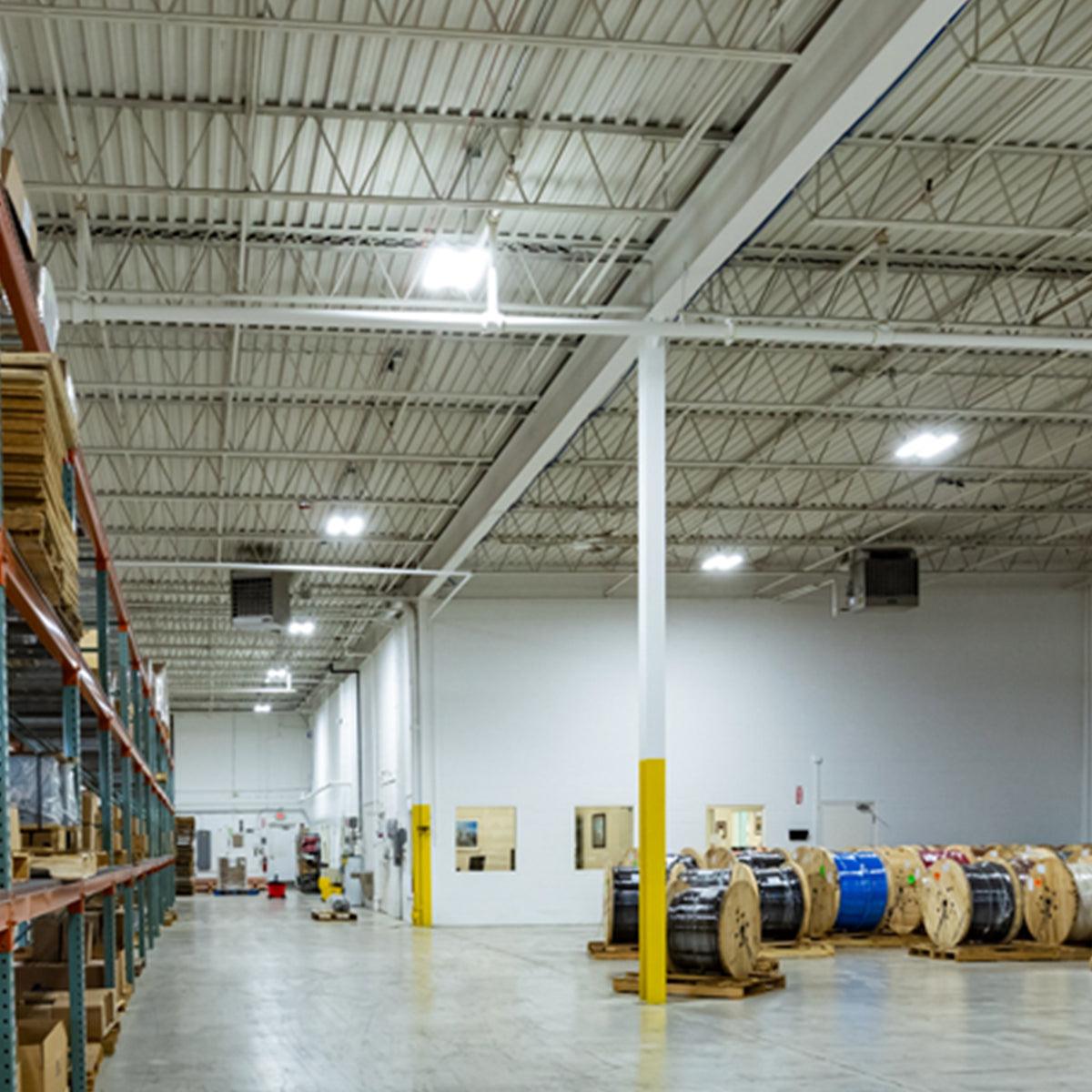
The Keystone KT-HBLED-WG-2B-KIT is a heavy-duty protective wire guard engineered exclusively for compatible 2ft Keystone LED linear high bay fixtures. This essential OEM hardware provides a robust physical barrier against accidental impacts, flying debris, and sports equipment, making it ideal for active industrial facilities, gymnasiums, and manufacturing floors.
Key Features
- Compatibility: Designed exclusively for compatible 2ft Keystone HBLED high bays
- Accessory Type: Protective wire guard grille
- Material Build: Rigid industrial-grade steel construction
- System Integration: OEM design ensures a secure, vibration-free fit
- Application Suitability: Essential for gymnasiums and heavy industrial spaces
- Maintenance: Facilitates high photometric output without restricting light distribution
Construction & Durability
Constructed from thick, high-strength steel wire, this guard is engineered to absorb and deflect significant physical impacts without warping. It features a protective finish to resist corrosion and structural degradation, ensuring long-lasting optical protection in active commercial environments.
Installation & Mounting
This wire guard is designed for direct mechanical attachment to the frame of the 2-foot linear high bay fixture. It installs rapidly using standard hardware, providing electrical contractors with a simple, load-bearing compliant solution that drastically reduces the risk of lens shattering or diode damage.
What's Included
- (1) 2ft High Bay Wire Guard Kit
Specifications
Specifications
Dimensions
Documents
Style & Materials
Item Details
Frequently Asked Questions
What is the difference between Lumens and Watts?
What is the difference between Lumens and Watts?
Watts measure the amount of electrical energy a fixture consumes, while lumens measure the actual brightness (the amount of visible light produced). In the LED era, wattage is no longer a reliable indicator of brightness. When replacing old fixtures or comparing new ones, always look at the lumen output to determine how bright the light will be.
What is Color Rendering Index (CRI) and why does it matter?
What is Color Rendering Index (CRI) and why does it matter?
CRI is a scale from 0 to 100 that measures how accurately a light source reveals the true colors of objects compared to natural sunlight. A higher CRI (90+) ensures colors look vibrant and accurate, which is critical for retail displays, kitchen countertops, and bathroom vanities. A lower CRI (under 80) can make colors look washed out or dull, regardless of the color temperature.
How do I know if my light fixture is dimmable?
How do I know if my light fixture is dimmable?
For traditional incandescent fixtures, dimmability depended purely on the bulb. For modern LED lighting, dimmability depends on the internal LED driver or the specific LED bulb used. A fixture is only dimmable if its driver is explicitly rated for it. Furthermore, the fixture must be paired with a compatible dimmer switch (such as a standard TRIAC/Phase-cut dimmer or a 0-10V commercial dimmer) to prevent flickering and buzzing.
What does "Integrated LED" mean compared to a standard fixture?
What does "Integrated LED" mean compared to a standard fixture?
An integrated LED fixture has the LED diodes and driver built directly into the housing, meaning there are no traditional bulbs to screw in or replace. This allows for sleeker, lower-profile designs and better heat dissipation. However, if an integrated fixture fails after its warranty period, you typically have to replace the entire unit or the internal driver, rather than just swapping out a bulb.
What does the "L70" lifespan rating mean on LED fixtures?
What does the "L70" lifespan rating mean on LED fixtures?
Unlike traditional bulbs that simply burn out and go dark, LEDs gradually lose their brightness over time (lumen depreciation). The L70 rating indicates the number of operating hours it takes for the LED fixture to degrade to 70% of its original brightness. For example, a fixture rated for "50,000 hours L70" will still work after 50,000 hours, but it will be noticeably dimmer than when it was first installed.