

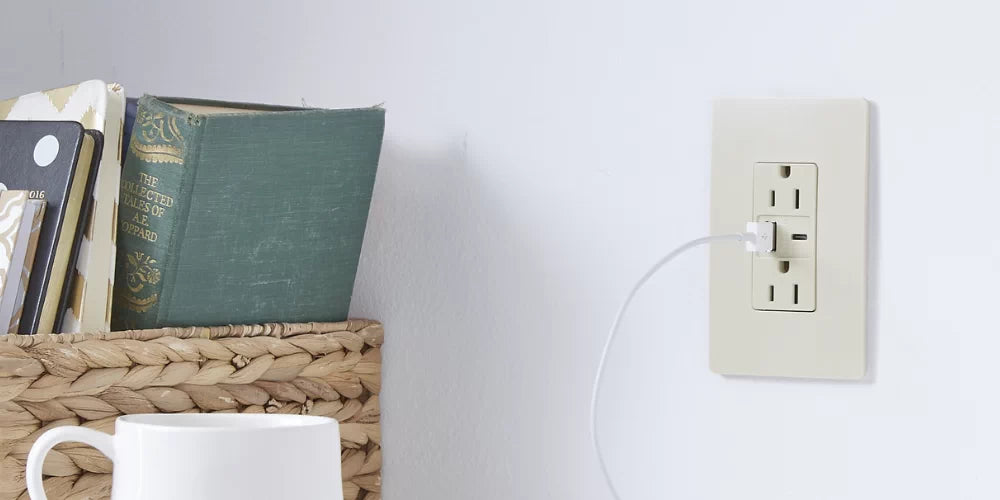
The way we power our devices has shifted. With modern smartphones, tablets, and even laptops moving toward high-speed charging standards, the traditional "charging brick" is becoming a relic of the past. Upgrading your standard wall receptacles to USB-C Power Delivery (PD) outlets is one of the most functional improvements you can make to a modern home.
Integrated USB outlets offer a streamlined, "designed to be better" solution for staying connected while freeing up your standard 3-prong plugs for lamps and appliances.
Why USB-C Power Delivery (PD) is the New Standard
In the past, integrated USB wall outlet models were limited to low-wattage USB-A ports. While sufficient for older phones, modern electronics require more advanced charging technology to function efficiently.

- Higher Wattage: Power Delivery (PD) technology allows a USB-C outlet to negotiate significantly higher power levels—with some models providing up to 65W—directly from the wall.
- Fast Charging: A fast charging receptacle with PD can charge compatible smartphones much faster than standard 5W adapters, often reaching a 50% charge in just 30 minutes.
- Laptop Compatibility: High-output USB-C ports provide enough wattage to power and charge tablets and many modern laptops, eliminating the need for bulky proprietary power adapters.
- Reversible Design: Unlike older USB-A connectors, the USB-C "C-port" is reversible, making it easier to plug in your devices regardless of orientation.
The Advantages of Integrated USB Charging
1. Eliminate "Charger Clutter"
By installing a wall outlet with USB, you eliminate the need for the plastic "bricks" that often block the second socket in a duplex outlet. This allows you to use your standard plugs for high-draw appliances while your mobile devices charge directly from the integrated ports.

2. Smart Power Allocation
Professional-grade USB outlet models feature internal chips that recognize the specific power needs of a connected device. They deliver the maximum safe current to ensure your hardware is charged as quickly as possible without the risk of overheating or overcharging.
3. Enhanced Safety and Durability
Modern USB receptacles, like those in the radiant® collection, are built with Tamper-Resistant (TR) shutters. These meet National Electrical Code (NEC) safety standards by blocking the insertion of foreign objects. Additionally, high-quality brands utilize high-impact resistant, thermoplastic construction to withstand the heat generated by high-power fast-charging circuits.
USB-A vs. USB-C: Which Should You Choose?
While the industry is rapidly moving toward USB-C, many homes still have legacy cables. For maximum versatility, consider these configurations:

- The Hybrid Model: These feature one USB-A port and one USB-C port, ensuring you can charge everything from an older e-reader to the newest high-speed smartphone.
- The Pure USB-C Model: Best for "future-proofing" offices and bedside tables where the newest high-powered devices are typically used.
Modern Power Solutions for a Connected Home
The transition toward high-output USB-C Power Delivery represents a significant shift in how we interact with our home’s electrical infrastructure. By integrating fast-charging technology directly into the walls, homeowners can create a more efficient, aesthetically pleasing environment that meets the demands of modern electronics. Whether updating a home office for laptop use or adding convenience to a kitchen backsplash, the choice of a professional-grade USB outlet ensures that charging is both safe and rapid. As devices continue to evolve, these high-performance receptacles provide the necessary power foundation for a contemporary, cable-conscious lifestyle.


