

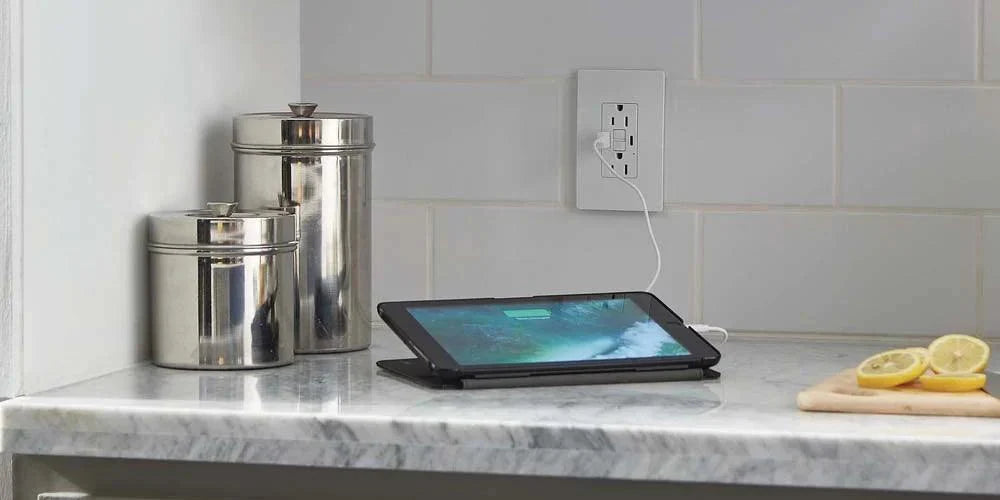
Choosing the right electrical outlet is no longer just about matching a plug to a socket. Modern electrical receptacles are specialized for safety, power capacity, and advanced functionality. From preventing fatal shocks to charging high-powered laptops directly from the wall, the hardware you choose defines the safety and convenience of your home.
This comprehensive guide breaks down the most common types of outlets, their required locations, and how to choose the right technology for your project.
Standard Receptacles: The Duplex Outlet
The duplex outlet is the industry standard for North American homes. Characterized by two vertically stacked sockets, these units provide the foundational power for lamps, electronics, and small appliances.
- 15 Amp Outlets: The most common residential outlet, designed for standard household circuits.
- 20 Amp Outlets: Required for high-demand areas like kitchens and workshops. They are identifiable by a horizontal "T-slot" on the neutral side of the face.
- Tamper-Resistant (TR): Now required by the NEC in most residential areas, these feature internal shutters to prevent children from inserting foreign objects into the slots.
Essential Safety Outlets: GFCI & AFCI
Modern building codes emphasize two specific types of protection to prevent injury and property damage.
1. GFCI (Ground Fault Circuit Interrupter)
GFCIs are designed to protect people from electric shock. They monitor current balance and instantly de-energize a circuit if they sense a leak as small as 4 to 6 milliamps.
- Required Locations: Bathrooms, garages, kitchens, laundry rooms, and any area near water or outdoors.
- Testing: High-quality models, such as the Legrand Radiant series, now feature Self-Test technology that automatically verifies protection every three seconds.

2. AFCI (Arc Fault Circuit Interrupter)
AFCIs are designed to protect your home from electrical fires caused by unintended arcing—dangerous sparks often caused by damaged wiring or loose connections.
- Required Locations: Most "dry" living areas, including bedrooms, family rooms, dining rooms, and hallways.
Pro Tip: For areas that require both types of protection, such as kitchens and laundry rooms, a Dual-Function AFCI/GFCI Receptacle provides a convenient, single-device solution.
Modern Convenience: USB & Smart Outlets
As our reliance on mobile technology grows, so does the need for integrated charging solutions.
- USB-C Power Delivery (PD): These outlets provide high-speed charging directly from the wall. High-output models can provide up to 60W, enough to charge tablets and many modern laptops without a bulky adapter.

- Smart Outlets: Hardwired smart receptacles allow you to control lamps and appliances via smartphone apps or voice assistants. These offer a cleaner look than plug-in smart adapters.
Specialty & High-Voltage Outlets
Large appliances require dedicated circuits and specialized NEMA configurations to handle high-voltage loads.
- Dryer Outlets: Typically 30 Amp, 4-prong receptacles (NEMA 14-30).
- Range Outlets: Heavy-duty 50 Amp receptacles (NEMA 14-50) required for electric stoves.
- EV Receptacles: High-power outlets designed for Level 2 EV Charging at home. For continuous car charging, industrial-grade versions are recommended to handle the sustained thermal load.

Safety Standards and Hardware Choice
Selecting the appropriate electrical receptacle is a critical step in maintaining a safe and functional home. By understanding the specific roles of AFCI, GFCI, and specialty high-voltage outlets, homeowners can ensure compliance with the latest National Electrical Code standards while enhancing their daily convenience. Utilizing professional-grade hardware that offers features like SafeLock protection and tamper-resistance provides a reliable foundation for long-term electrical safety.


