

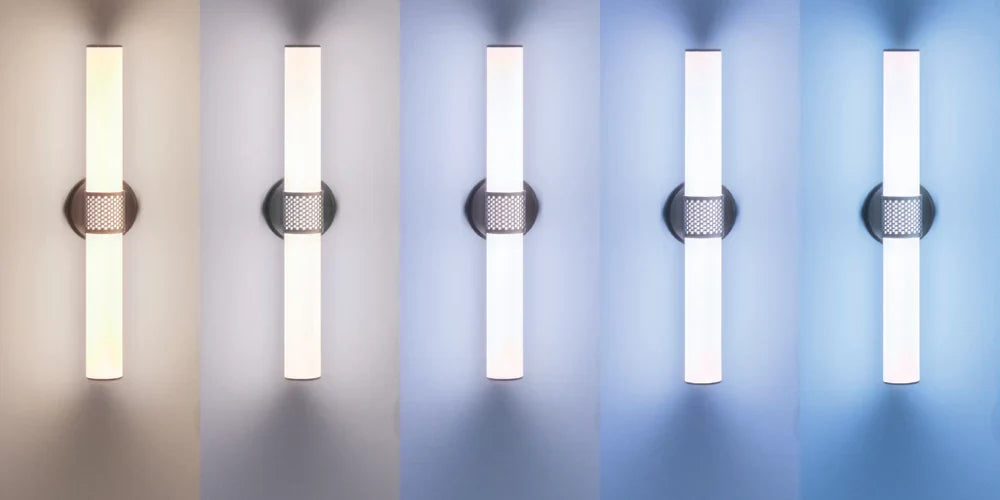
Have you ever installed a batch of recessed lights only to realize the "Soft White" you ordered looks too yellow for the kitchen? Or maybe you’re a contractor tired of carrying three different versions of the same panel light in your truck?
Enter Selectable CCT—the feature that is changing how we buy and install LED lighting.
What Does "Selectable CCT" Mean?
CCT stands for Correlated Color Temperature, which is the technical term for how "warm" or "cool" a light looks, measured in Kelvin (K).
Selectable CCT (also known as "Field-Selectable" or "Color-Switchable") means the fixture comes with a built-in switch—usually on the back of the driver or junction box—that allows you to manually choose between multiple color temperatures.
Instead of being stuck with one fixed color, a single fixture gives you options like 3000K, 4000K, and 5000K all in one box. You simply flip the switch during installation to match the room's vibe.
How Selectable CCT Works
It might seem like magic, but the technology inside a selectable fixture is actually quite simple.
- Dual-Chip Arrays: Under the lens, the fixture contains two distinct sets of LED chips—one set dedicated to "warm" light (e.g., 2700K) and another for "cool" light (e.g., 5000K).

-
The Mixing Switch: When you slide the selector switch on the junction box, you are physically adjusting how much power goes to each set of chips.
- Warm Setting: Power flows primarily to the warm chips.
- Cool Setting: Power flows primarily to the cool chips.
- Neutral Setting: The driver mixes power between both sets to create a middle-ground temperature, like 3500K or 4000K.

Why Contractors & DIYers Love It
Selectable fixtures are becoming the industry standard for one big reason: Flexibility.
- One SKU Fits All: Contractors no longer need to stock separate 3000K, 4000K, and 5000K fixtures. One selectable fixture covers all those needs, freeing up space in the truck and simplifying inventory.
- No "Wrong Color" Returns: If a client decides 3000K is too warm for their bathroom, you don't have to rip out the fixture and return it. Just pop the trim, flip the switch to 4000K, and you're done.
- Future-Proofing: If you repaint a room from warm beige to cool gray years down the road, you can adjust your lighting to match without buying new lights.
- On-Site Matching: It allows installers to match existing lighting perfectly without guessing the exact Kelvin temperature beforehand.

The Big Confusion: Selectable vs. Tunable White
It is critical not to confuse Selectable CCT with Tunable White. They sound similar but function very differently:
- Selectable CCT is Static: You pick one color during installation and lock it in via a physical switch on the housing. You typically have to turn the light off or remove the trim to change it.
- Tunable White is Dynamic: This allows you to adjust the color temperature in real-time using a remote, app, or wall dimmer. This is for users who want to change the light from warm to cool throughout the day.
Pro Tip: If you want a "set it and forget it" solution, go with Selectable. If you want to change the mood from "morning coffee" to "high-focus work" daily, go with Tunable.
The Cheat Sheet: Which Kelvin Should You Select?
Most selectable fixtures offer a range of 3 to 5 presets. Here is how to choose the right one for your space:
| CCT Value | Appearance | Best Application |
| 2700K | Warm, Cozy (like old incandescent) | Living rooms, bedrooms, lounges |
| 3000K | Soft White (warm but clearer) | Kitchens, dining rooms, hallways |
| 3500K | Neutral Warm | Retail stores, lobbies, inviting offices |
| 4000K | Cool/Neutral White (crisp) | Offices, garages, bathrooms, grocery stores |
| 5000K | Daylight (bright, bluish-white) | Warehouses, workshops, hospitals, detail work |
Where You’ll See It
Selectable CCT technology is no longer limited to just recessed cans. It has expanded into almost every lighting category:
- Light Bulbs (A19 & BR30): Even standard replacement bulbs now feature this technology. You can find selectable A-lamps with a small switch on the base, allowing you to stock one bulb type for table lamps, ceiling fans, and floor lamps regardless of the room.
-
Commercial & Industrial:
- High Bays: Warehouse managers can now adjust UFO High Bays between 4000K and 5000K to see which improves worker visibility best on-site.
- Panels & Troffers: Office building managers can standardize light color across different tenants or floors using a single fixture model.

- Strip & Under Cabinet: Whether it's a hardwired light bar or a linear strip, selectable options let you match the lighting perfectly to your granite countertops or backsplash without guessing.
-
Decorative Lighting:
- Vanity Lights: Bathroom lighting is critical. Selectable vanity bars ensure you don't end up with "yellow" light that clashes with your white subway tile.
- Wall Sconces: Match the hallway sconces to the overhead recessed lights seamlessly.
- Recessed Lighting: The most common application, perfect for open-concept homes where the kitchen (needs 4000K) merges into the living room (needs 3000K).

The Future is Flexible
The days of guessing the perfect color temperature are over. Selectable CCT fixtures offer the ultimate insurance policy for your lighting projects—giving you the freedom to adapt to any style, paint color, or client preference with the flip of a switch. Whether you are outfitting a commercial warehouse or renovating a cozy living room, Bees Lighting has the selectable fixtures you need to get the job done right the first time.


